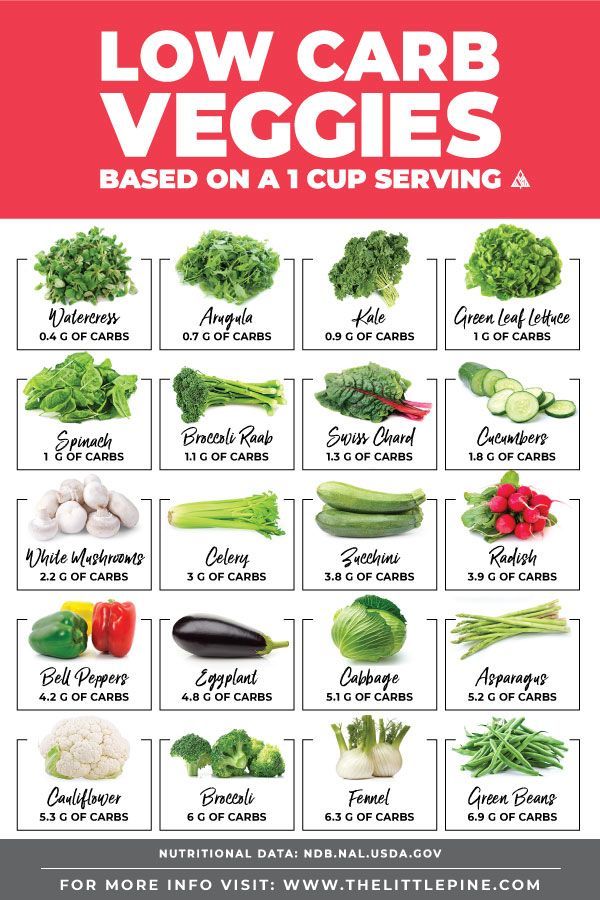
Incorporating Vegetables into a Low-Carb Eating Plan
When it comes to maintaining a healthy eating plan, incorporating vegetables is key. They are packed with essential nutrients, fiber, and antioxidants that can support overall well-being. For those following a low-carb eating plan, finding the right balance between consuming enough vegetables while keeping carbohydrate intake in check can be a challenge. However, with some thoughtful planning and creativity in the kitchen, it is possible to enjoy a wide variety of delicious vegetables while staying within your low-carb goals.
Here are some tips on how to incorporate vegetables into your low-carb eating plan:
1. Choose Non-Starchy Vegetables: Non-starchy vegetables are low in carbohydrates and high in fiber, making them an excellent choice for a low-carb diet. These include leafy greens like spinach, kale, and arugula; cruciferous veggies such as broccoli and cauliflower; bell peppers; zucchini; cucumber; mushrooms; and asparagus. Aim to fill half of your plate with non-starchy vegetables at each meal.
2. Experiment with Spaghetti Squash: If you’re missing pasta on your low-carb diet but still want something hearty and satisfying, spaghetti squash is an excellent alternative. When cooked, its flesh transforms into thin strands resembling spaghetti noodles. Top it with homemade tomato sauce or sautéed veggies for a delicious meal that won’t derail your carb count.
3. Get Creative with Cauliflower: Cauliflower is one versatile vegetable that deserves special mention when it comes to low-carb eating plans. You can use it as a substitute for rice by pulsing raw cauliflower florets in a food processor until they reach rice-like consistency or purchase pre-riced cauliflower from the store for convenience. It also makes an excellent replacement for mashed potatoes when steamed then mashed until smooth.
4. Bulk Up Salads: Salads don’t have to be boring! Instead of relying solely on lettuce, add a variety of colorful vegetables to make them more interesting and satisfying. Consider adding cucumbers, cherry tomatoes, bell peppers, radishes, carrots, and avocado for extra flavor and texture. To keep the carb count in check, opt for homemade dressings or vinegar-based options instead of sugary store-bought ones.
5. Embrace Leafy Greens: Leafy greens are not only low in carbs but also rich in vitamins and minerals. They can be enjoyed raw in salads or cooked as a side dish. Try sautéing spinach with garlic and olive oil or steaming kale until tender. Adding leafy greens to omelets or frittatas is another great way to incorporate them into your low-carb eating plan.
6. Roast Vegetables for Added Flavor: Roasting vegetables caramelizes their natural sugars and brings out their flavors without adding any extra carbohydrates. Toss some broccoli florets with olive oil, salt, pepper, and garlic powder before roasting them at high heat until they become crispy on the edges. The same technique works well with other veggies like Brussels sprouts, cauliflower florets, or zucchini slices.
7. Make Vegetable-Based Soups: Soups are an excellent way to consume a large amount of vegetables while keeping carbohydrates under control. Puree cauliflower or butternut squash to create creamy soups without the need for starchy thickeners like flour or cornstarch. You can also incorporate various non-starchy veggies into broth-based soups by simmering them until tender.
8. Use Lettuce Wraps: Swap traditional bread-based wraps with lettuce leaves for a low-carb option that still provides crunch and freshness to your favorite fillings such as grilled chicken or turkey breast paired with sliced avocado, tomato slices, cucumber strips, and a dollop of Greek yogurt dressing.
9. Snack on Veggie Sticks: Instead of reaching for high-carb snacks, keep pre-cut vegetable sticks in your refrigerator for a quick and healthy snack. Carrot sticks, celery stalks, bell pepper strips, and cucumber slices are all great options that can be enjoyed with hummus or guacamole.
10. Try Vegetable Noodles: Invest in a spiralizer to turn vegetables like zucchini, carrots, or sweet potatoes into noodle-like shapes. These veggie noodles can be sautéed with garlic and olive oil or quickly blanched before being paired with your favorite sauce or stir-fry.
Incorporating vegetables into a low-carb eating plan doesn’t have to be complicated or monotonous. By choosing the right veggies and getting creative in the kitchen, you can enjoy a wide variety of nutrient-packed meals while keeping carbs under control. Experiment with different cooking methods and explore new recipes to make the most out of these low-carb gems that nature has to offer. Remember, variety is key when it comes to maintaining a healthy eating plan!

Leave a Reply