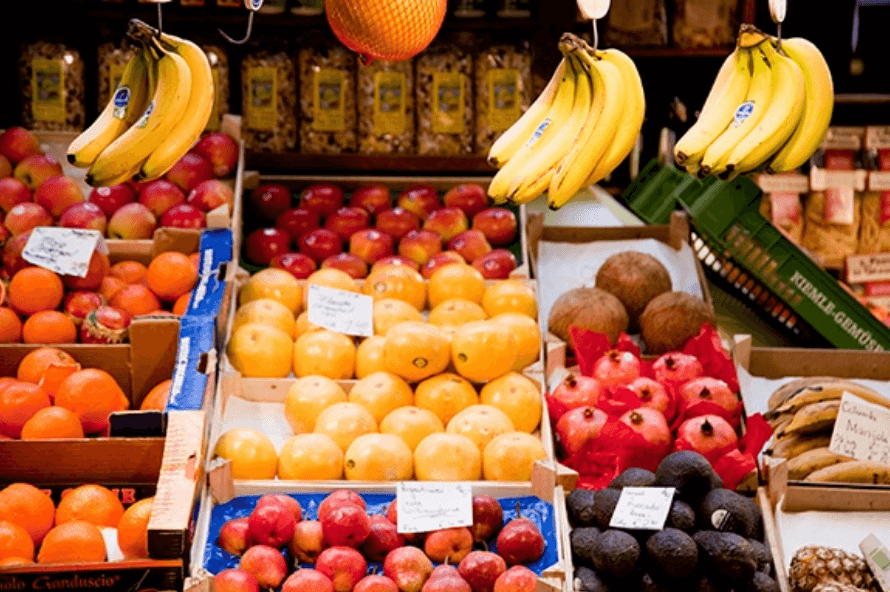
Sustainable Eating as a Vegan: A Guide to Nourish Your Body and the Planet
In recent years, there has been a growing interest in sustainable eating. As individuals become more conscious of their impact on the environment, many are turning to veganism as a way to reduce their carbon footprint and promote a healthier planet. Not only does veganism support animal welfare, but it also offers numerous health benefits.
Adopting a sustainable vegan lifestyle means making choices that nourish your body while minimizing harm to the planet. It’s about finding balance by selecting foods that are not only good for you but also good for our environment. In this guide, we will explore how you can embrace sustainability through your vegan diet.
Choose Local and Seasonal Produce
One of the simplest ways to eat sustainably is by choosing local and seasonal produce whenever possible. By supporting local farmers, you reduce transportation emissions associated with importing food from distant locations. Additionally, seasonal fruits and vegetables require less energy-intensive methods for cultivation.
To start incorporating these principles into your diet, consider joining a community-supported agriculture (CSA) program or visiting your local farmers’ market regularly. This allows you to get fresh produce directly from nearby farms while supporting local businesses.
Opt for Whole Foods
Whole foods refer to unprocessed or minimally processed ingredients that retain most of their natural nutrients. By opting for whole foods over heavily processed ones, you minimize packaging waste and reduce the energy required during manufacturing.
Focus on incorporating whole grains like quinoa, brown rice, and oats into your meals instead of refined grains such as white bread or pasta. Include plenty of fresh fruits and vegetables in your daily intake too – they provide essential vitamins, minerals, fiber, and antioxidants.
Reduce Food Waste
Food waste is a significant environmental issue worldwide. According to the Food and Agriculture Organization (FAO), approximately one-third of all food produced globally goes uneaten each year—contributing to greenhouse gas emissions and wasting valuable resources.
To minimize your contribution to food waste, plan your meals ahead of time, make a shopping list, and only buy what you need. If you have leftovers, get creative with recipes or freeze them for future use. Composting is another great way to utilize food scraps while enriching the soil.
Experiment with Plant-Based Proteins
Protein is an essential macronutrient but obtaining it sustainably can be a challenge. Instead of relying solely on soy-based products like tofu or tempeh, explore other plant-based protein sources such as legumes (beans, lentils), nuts, seeds, and ancient grains like quinoa.
By diversifying your protein sources, you reduce the environmental impact associated with monoculture farming practices that are often used in the production of soybeans. Additionally, incorporating more plant-based proteins into your diet can improve heart health and lower cholesterol levels.
Support Sustainable Brands
As veganism gains popularity worldwide, more businesses are emerging that focus on producing sustainable and eco-friendly alternatives to animal products. When purchasing packaged foods or personal care items as a vegan consumer, opt for brands committed to sustainability.
Look for certifications such as Fairtrade or Rainforest Alliance labels that ensure ethical sourcing practices. Choose companies that prioritize recyclable packaging materials or consider buying in bulk to reduce waste from excessive packaging.
Grow Your Own Food
If you have access to outdoor space like a backyard or balcony garden, growing some of your own food can be incredibly rewarding both personally and environmentally. Not only does this allow you to enjoy fresh produce right at home but it also reduces transportation emissions associated with store-bought goods.
Herbs like basil and mint are easy-to-grow options even if you have limited space available. For those with larger areas available for cultivation, try planting vegetables like tomatoes or lettuce – they tend to thrive in various climates.
Educate Others about Sustainability
Lastly but importantly spread awareness and educate others about sustainable eating. Share your knowledge and experiences with friends, coworkers, and family members who might be interested in making more conscious choices.
Consider hosting a plant-based potluck or sharing recipes that showcase the deliciousness of veganism. By engaging in conversations about sustainability, you can inspire others to join the movement and contribute to a healthier planet.
In conclusion, embracing sustainable eating as a vegan goes beyond just choosing plant-based foods. It’s about supporting local farmers, reducing waste, diversifying protein sources, and advocating for brands committed to sustainability. By following these practices, you not only nourish your body but also take an active role in protecting our environment for future generations.

Leave a Reply