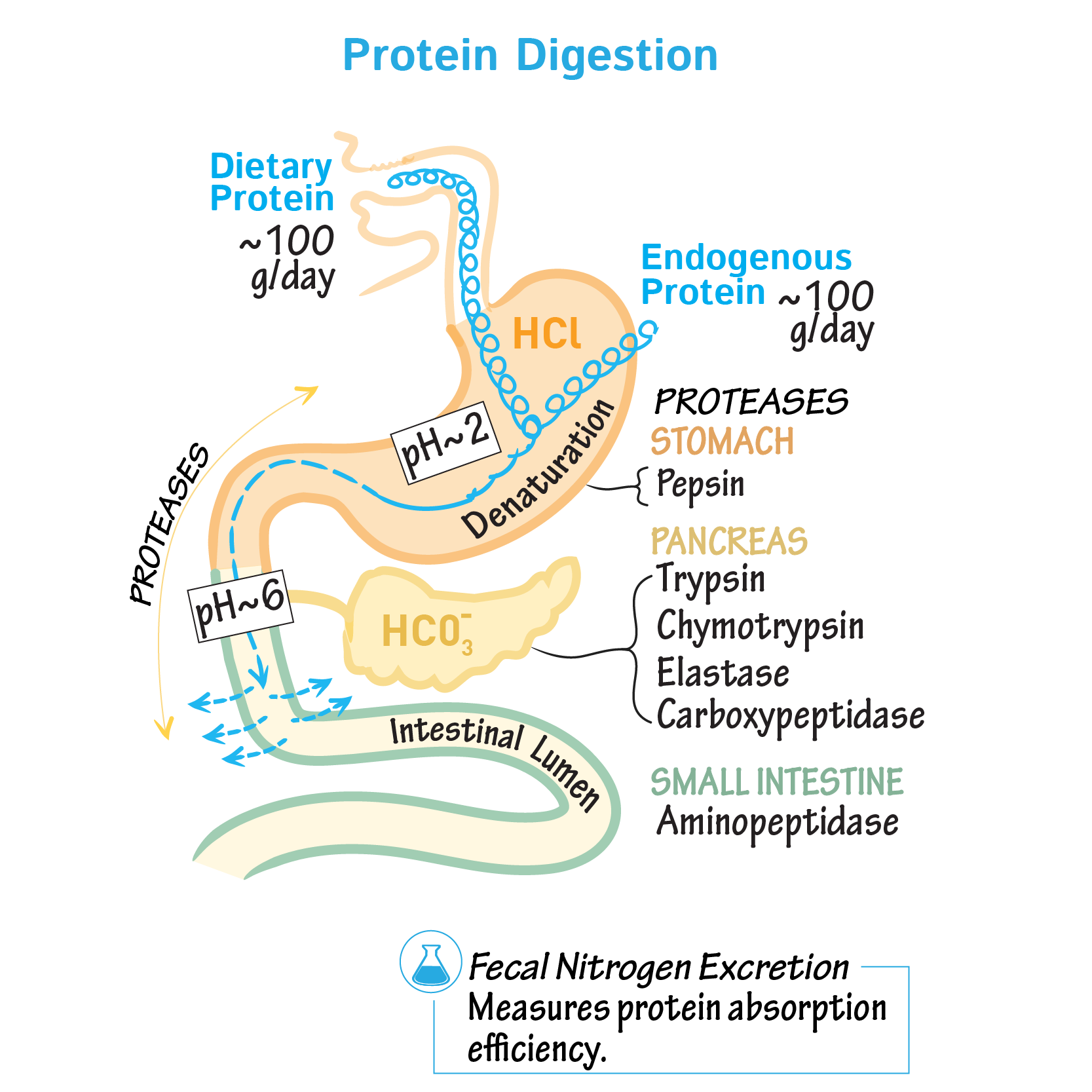
Protein Powder and Digestion: A Comprehensive Guide to Understanding the Benefits and Potential Side Effects
Introduction:
Protein powder has gained immense popularity in recent years, with many individuals incorporating it into their daily routines. Whether you’re an athlete looking to enhance your performance or someone trying to meet their protein requirements, protein powder seems like an easy and convenient solution. However, understanding its impact on digestion is crucial for ensuring optimal health.
In this article, we will delve deep into the world of protein powder and explore its effects on digestion. We’ll discuss how different types of protein powders are digested by our bodies, potential side effects that may arise from improper consumption, as well as tips for maximizing digestibility.
Understanding Protein Powder:
Protein powder is a concentrated source of dietary protein obtained from various sources such as whey (a byproduct of cheese production), casein (found in milk), soy, pea, hemp, or rice. It provides essential amino acids necessary for muscle repair and growth.
Different Types of Protein Powders:
1. Whey Protein: Whey protein is derived from milk during the cheese-making process. It contains all nine essential amino acids required by our body. Whey isolate offers higher purity levels compared to whey concentrate but may be more expensive.
2. Casein Protein: Casein is another type of milk protein that forms a gel-like substance when consumed. It releases amino acids slowly over time due to its complex structure.
3. Soy Protein: Extracted from soybeans, soy protein is suitable for vegetarians and vegans as it provides all essential amino acids.
4. Pea Protein: Pea protein offers a high amount of branched-chain amino acids (BCAAs) while being easily digestible.
5. Hemp Protein: Hemp seeds provide a rich source of plant-based protein along with omega-3 fatty acids.
6.Rice Protein: Rice proteins are hypoallergenic and easily digestible, making them suitable for individuals with dietary restrictions.
How Protein Powder Affects Digestion:
The digestion of protein powder depends on various factors such as the source, processing method, and individual differences. Let’s explore how different types of protein powders impact our digestive system:
1. Whey Protein:
Whey protein is quickly digested due to its high solubility. Upon consumption, it undergoes rapid gastric emptying and gets absorbed into the bloodstream within an hour. This makes it an ideal choice for post-workout recovery or when a quick supply of amino acids is required.
2. Casein Protein:
Unlike whey protein, casein forms a gel-like substance in the stomach that slows down digestion. It releases amino acids gradually over several hours, providing a sustained release of nutrients to the body. This property makes casein an excellent option for prolonged periods without food, such as before bedtime.
3. Soy Protein:
Soy protein is generally well-tolerated by most individuals and exhibits moderate digestion rates similar to animal-based proteins like whey.
4. Pea Protein:
Pea protein has shown promising results in terms of digestibility, although some people may experience mild gastrointestinal discomfort due to its high fiber content.
5.Hemp Protein:
Hemp protein contains both soluble and insoluble fibers that aid digestion while providing essential amino acids for muscle repair.
6.Rice Protein:
Rice protein is hypoallergenic and usually gentle on the stomach compared to other sources; however, some brands might add additional ingredients that could impact digestion differently.
Potential Side Effects:
While most people tolerate protein powder well, some may experience digestive issues if consumed excessively or if their bodies have difficulty breaking down certain types of proteins.
Common side effects include bloating, gas production (flatulence), constipation or diarrhea depending on individual sensitivity levels.
To minimize these potential side effects:
1.Consume Adequate Water: Protein powder requires water for proper digestion and absorption. Insufficient water intake may lead to constipation or discomfort.
2.Start with Small Doses: Begin with a small serving size of protein powder, gradually increasing it as your body adjusts. This helps identify any potential adverse reactions early on.
3.Variety is Key: Instead of relying solely on one type of protein powder, consider rotating between different sources to provide a wider range of amino acids and minimize the risk of developing sensitivities or intolerances.
4.Read the Labels Carefully: Pay attention to additional ingredients such as artificial sweeteners, fillers, or additives that may impact digestion negatively. Opt for products with minimal additives if possible.
5.Consult a Professional: If you have pre-existing digestive issues or concerns, it’s essential to consult a healthcare professional or dietitian who can guide you towards the most suitable protein powders for your needs.
Conclusion:
Protein powder can be an excellent addition to a healthy diet when used appropriately. Understanding how different types of protein powders are digested by our bodies allows us to make informed choices and avoid potential side effects. Remember that individual tolerance levels vary, so it’s crucial to listen to your body and adjust accordingly. By following these guidelines and incorporating high-quality protein powders into your routine wisely, you can enjoy the benefits without compromising your digestive health.

Leave a Reply