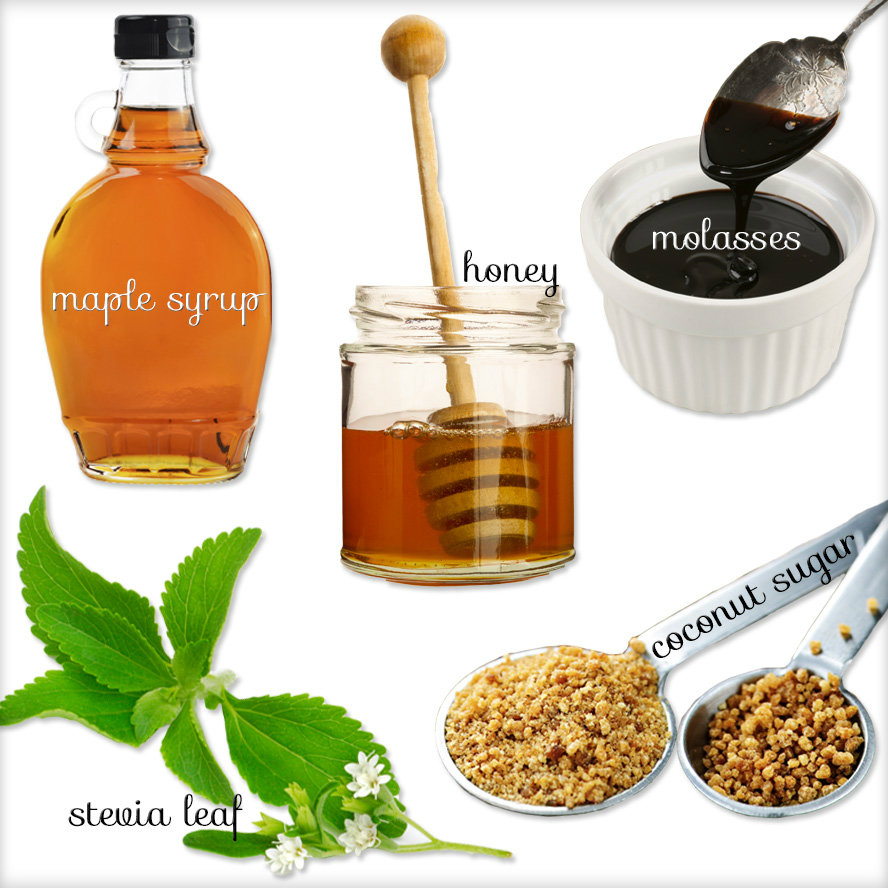
Natural sweeteners and sugar substitutes have been used throughout history to add sweetness to our foods and beverages without the negative health effects of refined sugar. From honey to stevia, these alternatives offer a variety of tastes and benefits that can enhance our overall well-being. In this article, we will explore the fascinating world of natural sweeteners and sugar substitutes, their origins, uses, and potential health benefits.
Honey is perhaps one of the oldest known natural sweeteners. Its use dates back thousands of years, with evidence found in ancient Egyptian tombs and cave paintings. Produced by bees from the nectar of flowers, honey contains various enzymes, antioxidants, vitamins (including vitamin C), minerals (such as calcium and iron), amino acids, and trace amounts of pollen.
One notable benefit of honey is its antimicrobial properties. It has been used topically to treat wounds due to its ability to inhibit bacterial growth. Additionally, it may help soothe sore throats when mixed with warm water or herbal teas.
Maple syrup is another popular natural sweetener with a rich history rooted in North America. Native Americans were the first to extract sap from maple trees for its sweet taste. The sap is then heated to evaporate water content until it reaches a desired consistency – maple syrup!
Rich in antioxidants like phenolic compounds and minerals such as manganese and zinc, maple syrup offers more than just sweetness. These antioxidants help combat oxidative stress caused by free radicals in our bodies.
Molasses is derived from sugarcane or sugar beets during the refining process for white granulated sugar production. It has a robust flavor profile that adds depth to baked goods like gingerbread cookies or dark chocolate cakes.
What sets molasses apart from other sweeteners are its high mineral content – particularly iron, calcium, magnesium, potassium, copper – making it an excellent choice for those seeking natural sources of these essential nutrients.
Another popular option gaining popularity among health-conscious individuals is coconut sugar. Made from the sap of coconut palm flowers, coconut sugar has a low glycemic index compared to regular table sugar. This means it raises blood sugar levels more slowly and prevents spikes that can lead to energy crashes.
Coconut sugar also contains small amounts of vitamins (such as vitamin C), minerals (including iron, zinc, and calcium), and phytonutrients like polyphenols that possess antioxidant properties. However, it’s important to note that these nutrients are present in minimal quantities.
Stevia, a sweetener derived from the leaves of the Stevia rebaudiana plant native to South America, has gained considerable popularity as a natural alternative to refined sugar. It is known for its intense sweetness without adding calories or carbohydrates.
Stevia contains compounds called steviol glycosides that give it its sweet taste. These compounds are not metabolized by the body but pass through unchanged, making stevia an ideal choice for those watching their calorie intake or managing conditions such as diabetes.
Research suggests that stevia may have several potential health benefits beyond being a natural sweetener. Studies have shown promising results regarding its ability to lower blood pressure and reduce insulin resistance in people with type 2 diabetes.
Another interesting natural sweetener gaining attention is monk fruit extract or Lo Han Guo. Native to China and Thailand, monk fruit extract is derived from the juice of the monk fruit – a small green melon-like fruit.
Monk fruit extract contains antioxidants called mogrosides which provide sweetness without contributing any calories or carbohydrates. These mogrosides are up to 300 times sweeter than table sugar but do not affect blood glucose levels – making this sweetener suitable for diabetics and anyone looking for zero-calorie alternatives.
It’s essential when using natural sweeteners and sugar substitutes to remember moderation. While they offer potential health benefits compared to refined sugars, excessive consumption may still contribute unnecessary calories or impact blood sugar levels.
In conclusion, natural sweeteners and sugar substitutes offer a variety of flavors and potential health benefits. From the ancient use of honey to the modern popularity of stevia, these alternatives provide options for those seeking to reduce their consumption of refined sugars. Whether you choose maple syrup for its antioxidant properties or monk fruit extract for its zero-calorie sweetness, incorporating these natural sweeteners into your diet can be a step towards healthier eating habits.

Leave a Reply