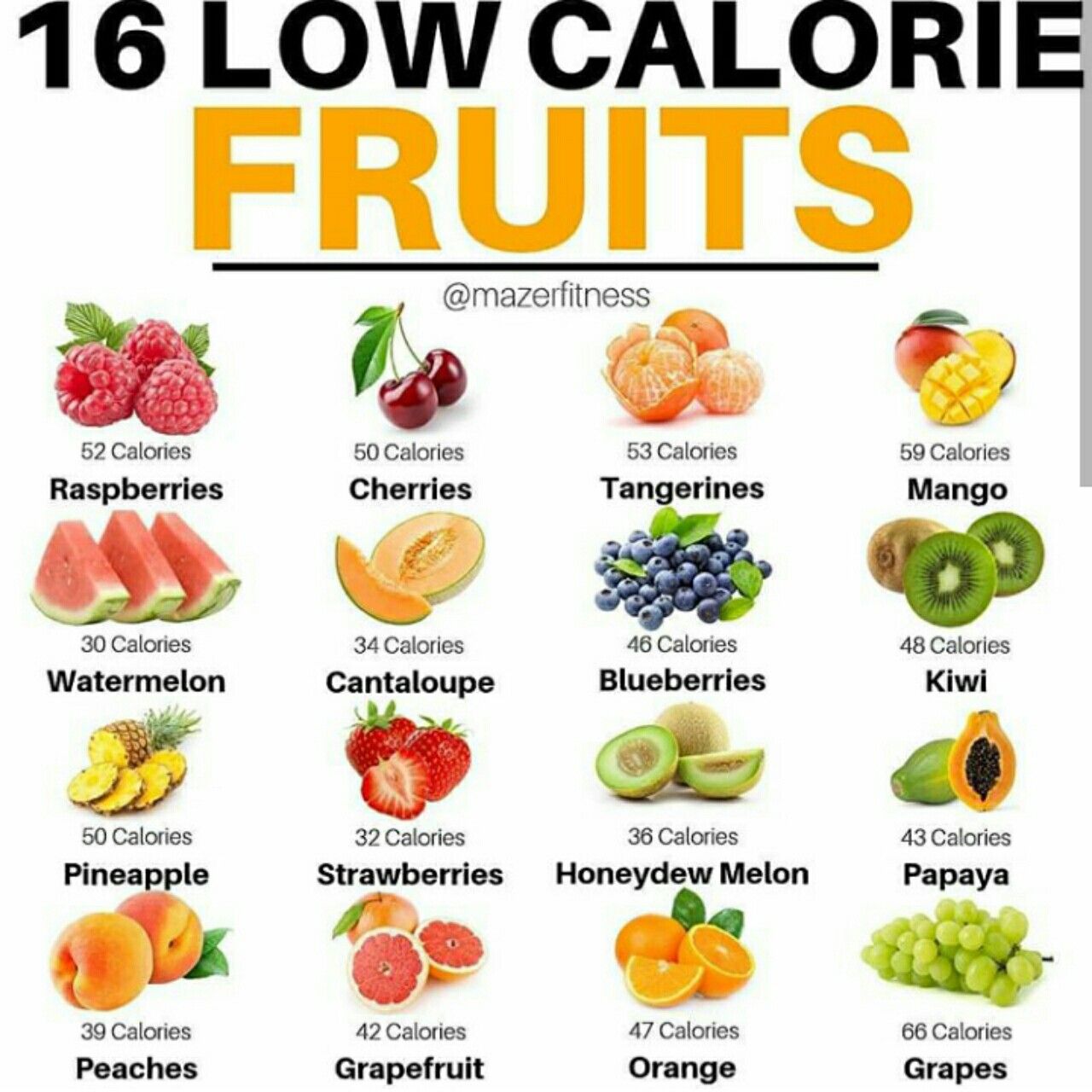
When it comes to maintaining a healthy weight and nourishing our bodies, low-calorie foods play a crucial role. These nutrient-dense options provide an array of benefits that go beyond just helping us shed pounds. From promoting satiety to supporting overall health, let’s explore the nutritional advantages of incorporating low-calorie foods into our diets.
One of the primary benefits of consuming low-calorie foods is their ability to promote weight loss and weight management. Since these foods have fewer calories, they can help create a calorie deficit when incorporated into a balanced diet. This means that even when we consume them in larger quantities, we are still consuming fewer calories compared to high-calorie alternatives.
Furthermore, many low-calorie foods are rich in dietary fiber, which aids digestion and promotes feelings of fullness. Foods such as fruits, vegetables, whole grains, and legumes are excellent sources of fiber. By including these in our meals, we can feel satisfied without overeating or resorting to unhealthy snacking habits.
Another advantage of low-calorie foods is their high water content. Fruits and vegetables like cucumbers, watermelon, lettuce, and tomatoes are packed with water while being naturally low in calories. This dual combination helps keep us hydrated while providing essential vitamins and minerals.
Additionally, opting for low-calorie foods often means choosing nutrient-dense options that offer an abundance of vitamins and minerals necessary for optimal health. Foods like leafy greens (spinach or kale), cruciferous vegetables (broccoli or cauliflower), berries (blueberries or strawberries), lean proteins (chicken breast or fish), and whole grains (quinoa or brown rice) provide vital nutrients like vitamin C, vitamin K, iron, magnesium, zinc, B-vitamins,and antioxidants.
Low-calorie snacks also allow for more variety in our diet since we can consume larger portions without worrying about excessive calorie intake. This flexibility encourages us to choose a wider range of foods, ensuring we get a diverse array of nutrients to support our overall well-being.
Lastly, incorporating low-calorie foods into our diet can have long-term health benefits. Research suggests that consuming a diet rich in fruits and vegetables may reduce the risk of chronic diseases such as heart disease, certain cancers, and diabetes. By prioritizing these low-calorie options, we are actively supporting our cardiovascular health, boosting our immune system, and protecting ourselves against various illnesses.
In conclusion, low-calorie foods offer numerous nutritional advantages that go beyond weight management. They provide satiety through high fiber content and promote hydration due to their water-rich nature. Additionally, they are packed with essential vitamins and minerals necessary for optimal health while allowing for more variety in our diet. By incorporating these nutrient-dense options into our meals and snacks regularly, we can nourish our bodies while maintaining a healthy weight and reducing the risk of chronic diseases.

Leave a Reply