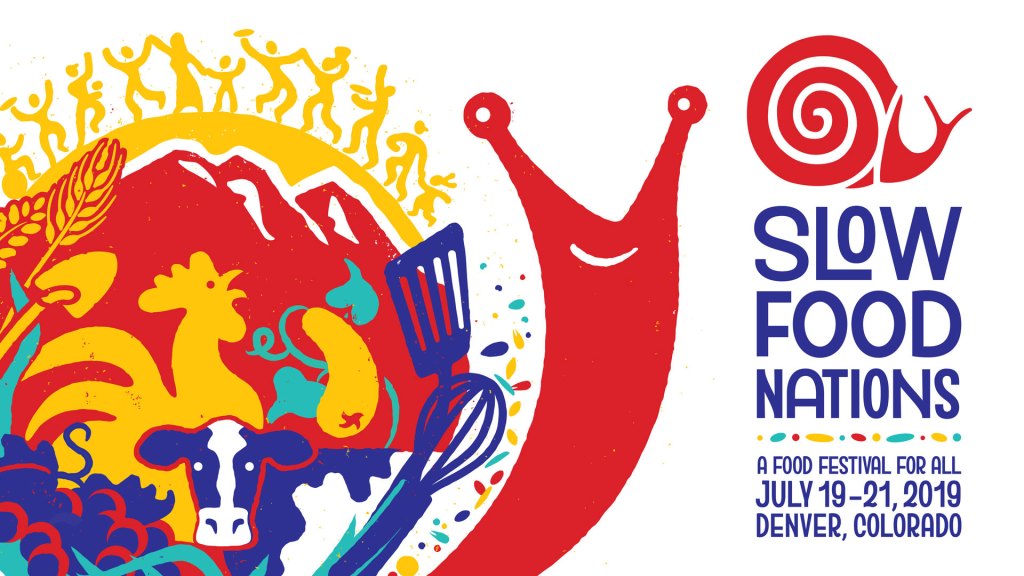
The Slow Food Movement: Rediscovering the Joys of Healthy, Sustainable Eating
In today’s fast-paced world, where convenience and instant gratification seem to be the norm, there is a growing countercultural movement that aims to slow things down. The Slow Food movement is gaining traction worldwide as an antidote to the negative impacts of modern industrialized food systems. It promotes a return to traditional, local, and sustainable food production methods while fostering a deeper connection with our food.
Originating in Italy in 1986 as a reaction against the opening of a McDonald’s near Rome’s Spanish Steps, the Slow Food movement has since spread globally. Its founding principles revolve around three main pillars: good, clean, and fair food. Let us explore each of these pillars in detail.
Good food refers not only to taste but also nutritional value. Slow Food advocates for using fresh ingredients sourced locally and seasonally whenever possible. This emphasis on freshness ensures that we consume produce at its peak flavor and nutrient content. By prioritizing quality over quantity and savoring every bite, we can truly appreciate the natural flavors our food has to offer.
Clean food focuses on sustainable agricultural practices that minimize harm to both human health and the environment. The use of synthetic pesticides or fertilizers is discouraged in favor of organic farming methods that promote biodiversity and protect ecosystem balance. Additionally, slow farmers prioritize animal welfare by raising animals ethically without subjecting them to overcrowded factory farms or routine antibiotics.
Fairness extends beyond what we put on our plates—it encompasses social justice within the food system itself. Slow Food supports small-scale farmers by promoting fair trade policies and advocating for their rights in an industry dominated by large corporations. By embracing direct relationships between producers and consumers through farmer’s markets or community-supported agriculture (CSA), individuals foster economic stability within their communities while ensuring access to healthy foods for all members.
Slow Food not only encourages conscious eating choices but also celebrates the cultural heritage and diversity of traditional cuisines. It recognizes that food is more than just a source of sustenance; it is an integral part of our identity and a reflection of our shared history. Slow Food aims to protect and preserve local culinary traditions, ensuring that they do not disappear under the homogenizing influence of globalized fast-food chains.
One initiative within the Slow Food movement that embodies these principles is the “Ark of Taste.” This project identifies endangered plant varieties, animal breeds, and traditional food products at risk of extinction due to industrialization or globalization. By documenting and promoting these foods, the Ark seeks to raise awareness about biodiversity loss while encouraging their continued production and consumption.
Another important aspect of Slow Food is its emphasis on conviviality—the pleasure derived from sharing meals with others. By slowing down, cooking meals from scratch using whole ingredients becomes an act filled with joy rather than a time-consuming chore. Gathering around a table with loved ones allows for meaningful connections to be forged, fostering community bonds that are often lost in today’s fast-paced lifestyle.
The Slow Food movement has been successful in inspiring individuals to make changes in their own lives and communities. Its influence has led to increased interest in urban gardening, farm-to-table restaurants, sustainable agriculture practices, and conscious consumerism overall. Moreover, it has sparked conversations about how we can create a more equitable and sustainable food system for future generations.
While embracing the principles put forth by Slow Food may initially seem daunting or impractical for some individuals who rely heavily on convenience foods or lack access to fresh produce options, there are steps we can all take towards slow living:
1. Start small: Incorporate one slow meal per week into your routine where you cook from scratch using locally sourced ingredients.
2. Support local farmers: Visit farmer’s markets or join a CSA program to connect directly with producers in your area.
3. Grow your own food: Even if you have limited space, growing herbs or vegetables in pots on a balcony can be a rewarding and sustainable way to supplement your meals.
4. Educate yourself: Learn about the food system, including the environmental and social impacts of different production methods. This knowledge will empower you to make informed choices and advocate for change.
5. Share meals with others: Organize potlucks or dinner parties where everyone contributes a dish made from scratch using local ingredients. Embrace the conviviality that comes with breaking bread together.
The Slow Food movement offers an alternative approach to our modern-day food culture—one that encourages us to reconnect with nature, support local communities, and savor the pleasures of mindful eating. By embracing these principles and making conscious choices about what we put on our plates, we can contribute to building a healthier, more sustainable future for ourselves and our planet. So let’s slow down, appreciate every bite, and rediscover the joys of good, clean, and fair food!

Leave a Reply