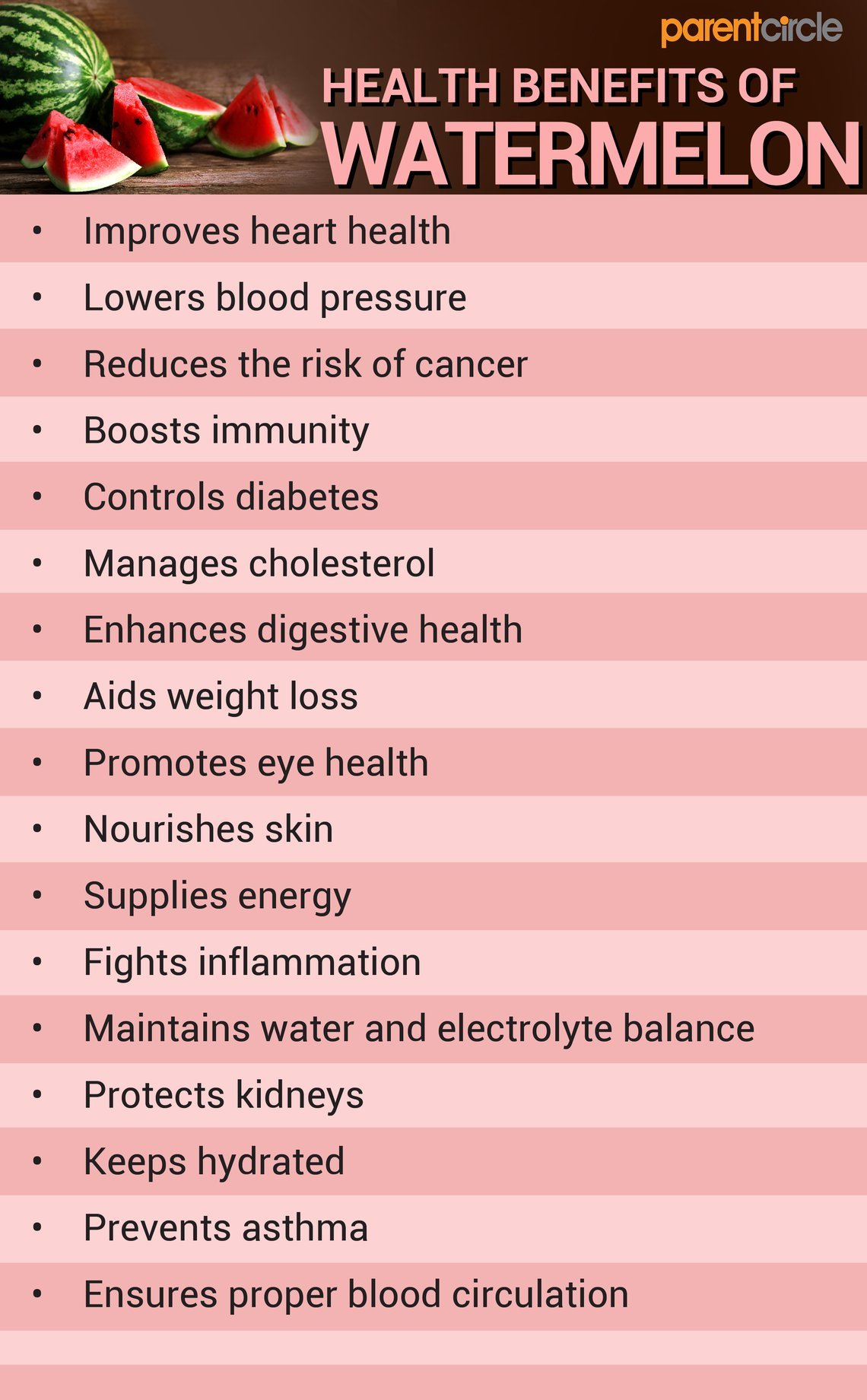
Watermelon is a delicious and refreshing fruit that is not only hydrating but also packed with numerous health benefits. One of the key areas where watermelon shines is in promoting heart health. In this interview-style post, we will delve into the relationship between watermelon and heart health with Dr. Sarah Johnson, a cardiologist at Healthy Heart Clinic.
Q: How does watermelon contribute to heart health?
Dr. Johnson: Watermelon contains an amino acid called citrulline, which helps to improve blood flow by widening the blood vessels. This can lead to lower blood pressure levels, reducing strain on the heart and lowering the risk of cardiovascular diseases.
Q: Are there any other nutrients in watermelon that benefit heart health?
Dr. Johnson: Absolutely! Watermelon is an excellent source of vitamins A and C, which act as antioxidants in the body. These antioxidants help prevent oxidative damage to cells, including those lining the arteries, reducing inflammation and plaque buildup.
Q: What about lycopene? Is it beneficial for heart health?
Dr. Johnson: Yes, definitely! Lycopene is a powerful antioxidant found in high amounts in watermelons that has been linked to a reduced risk of cardiovascular disease. It helps prevent cholesterol oxidation and reduces inflammation within arterial walls.
Q: Can consuming watermelon regularly have a positive impact on cholesterol levels?
Dr. Johnson: Watermelon contains fiber and other compounds that aid in maintaining healthy cholesterol levels. The fiber binds to cholesterol in the digestive system, preventing its absorption into the bloodstream.
Q: Is there an ideal amount of watermelon one should consume for optimal heart health?
Dr. Johnson: There isn’t a specific recommendation for watermelon consumption alone, but incorporating it into your daily fruit intake can be beneficial for overall heart health. Aim for 1-2 cups of fruit per day as part of a balanced diet.
Q: Are there any precautions or considerations when consuming watermelon for heart health?
Dr. Johnson: While watermelon is generally safe for most people, those with certain medical conditions such as diabetes should monitor their intake due to its natural sugar content. Additionally, individuals taking medications that affect blood pressure should consult their healthcare provider before making significant dietary changes.
In conclusion, watermelon’s contribution to heart health comes from its various nutrients including citrulline, antioxidants like vitamins A and C, and the powerful lycopene. Incorporating this juicy fruit into your diet can help support healthy blood pressure levels, reduce inflammation, lower cholesterol levels, and promote overall cardiovascular well-being. Remember to enjoy it in moderation alongside a balanced diet and always consult with your healthcare provider if you have any concerns regarding your specific health condition.

Leave a Reply