Investing in Quality Bones for Nutrient-Rich Bone Broth
Bone broth has gained popularity in recent years due to its numerous health benefits. It is a nutrient-rich elixir that can support gut health, boost the immune system, and promote healthy skin and joints. While there are many recipes available online, one crucial factor that determines the quality of your bone broth is the type of bones you use.
Investing in high-quality bones is essential if you want to extract maximum nutrients from your bone broth. In this article, we will explore different types of bones suitable for making nutrient-rich bone broth and provide tips on how to source them.
1. Grass-fed Beef Bones:
Beef bones are a popular choice for bone broth due to their rich flavor and high collagen content. When purchasing beef bones, it’s important to look for grass-fed or pasture-raised options. Grass-fed beef is not only more ethical but also contains higher levels of omega-3 fatty acids, vitamins A and E, and antioxidants compared to conventionally raised beef.
2. Pasture-Raised Chicken Bones:
Chicken bones are another excellent option for making flavorful bone broth. Look for pasture-raised chicken or organic chicken bones as they tend to have fewer toxins and higher nutrient content than conventionally raised chickens. The feet and necks of chickens are particularly rich in collagen, which adds thickness and body to your broth.
3. Wild-Caught Fish Bones:
Fish bone broth offers a unique set of nutritional benefits with its abundance of omega-3 fatty acids, iodine, selenium, calcium, and zinc. Opt for wild-caught fish like salmon or cod when sourcing fish bones as they have lower mercury levels compared to farmed fish varieties.
4. Pork Bones:
Pork bones can add depth and richness to your bone broth while providing essential nutrients such as iron, zinc, phosphorus, selenium, vitamin B12, thiamine, and niacin. When selecting pork bones, aim for those from pasture-raised or organic pigs to ensure higher-quality meat.
5. Lamb Bones:
Lamb bones can provide a distinct flavor profile to your bone broth, and they are also rich in vitamins and minerals, including iron, zinc, vitamin B12, and selenium. Look for grass-fed or pasture-raised lamb bones for the best quality.
Now that we have explored different types of bones suitable for making nutrient-rich bone broth let’s discuss some tips on how to source them:
1. Local Farmers: Visit local farmers’ markets or connect with nearby farms directly to inquire about their bone offerings. Many small-scale farmers offer high-quality animal products and may sell bones specifically for making broth.
2. Butchers: Talk to your local butcher and ask if they have any good-quality bones available. They might be able to provide you with a variety of options depending on your preferences.
3. Online Suppliers: Several online suppliers specialize in delivering high-quality bones straight to your doorstep. Do thorough research and read reviews before purchasing from an online supplier as quality can vary.
4. Save Bones from Meals: Whenever you cook meat dishes at home, save the leftover bones in the freezer until you have enough quantity to make a batch of bone broth.
Once you’ve acquired high-quality bones for your bone broth, it’s time to prepare it properly:
1. Roast the Bones: Place the bones on a baking sheet and roast them in the oven at 400°F (200°C) for approximately 30 minutes until they turn golden brown. This step enhances the flavor of your broth.
2. Add Vegetables & Herbs: In a large stockpot or slow cooker, combine the roasted bones with vegetables like onions, carrots, celery along with herbs like bay leaves, thyme sprigs or parsley stems; these add depth of flavor.
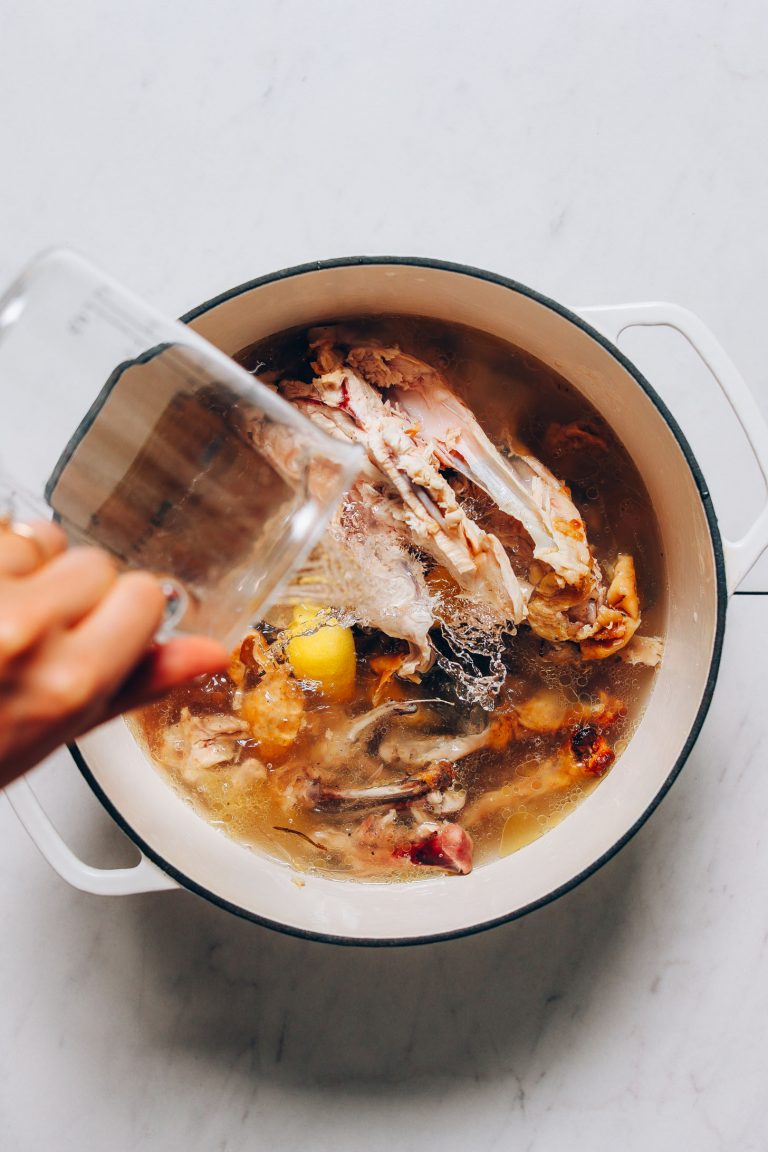
3. Fill with Water & Simmer: Fill the pot with enough water to cover the bones and bring it to a boil. Once boiling, reduce the heat and let it simmer for at least 12-24 hours or even longer if possible. This slow simmering process helps extract maximum nutrients from the bones.
4. Strain & Store: After simmering, strain the broth through a fine-mesh sieve or cheesecloth into containers, discarding any solids. Let it cool before storing in the refrigerator or freezer for future use.
By investing in high-quality bones and following these tips for sourcing and preparing bone broth, you can ensure that your nutrient-rich elixir is packed with essential vitamins, minerals, and collagen-boosting goodness.
Remember, bone broth has various culinary uses beyond sipping on its own – use it as a base for soups, stews, sauces or simply enjoy a warm cup daily to reap all its health benefits.

Leave a Reply