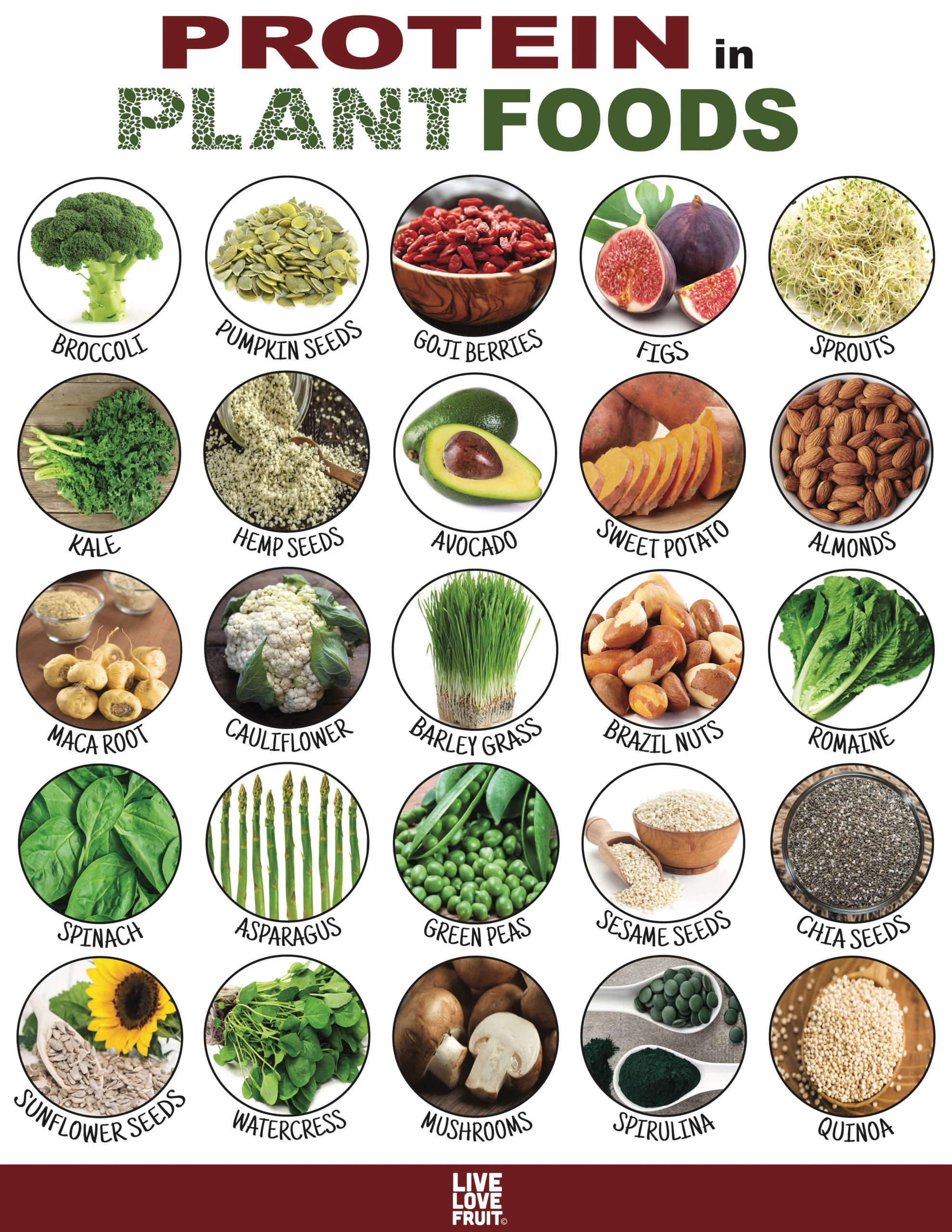
Vegan and vegetarian diets have gained popularity in recent years due to their health benefits, ethical considerations, and environmental impact. However, concerns often arise about whether these plant-based diets provide all the necessary nutrients for a balanced nutrition. Fortunately, with careful planning and knowledge of alternative protein sources, it is possible to achieve a well-rounded diet that meets all your nutritional needs.
Protein is an essential macronutrient that plays a crucial role in building and repairing tissues, producing enzymes and hormones, and supporting immune function. While animal products are traditionally rich sources of protein, there are numerous plant-based options available for vegans and vegetarians. Legumes such as lentils, chickpeas, black beans, and soybeans are excellent sources of protein. Incorporating these into meals can be done by making dishes like lentil soups or stews or using chickpeas to make hummus or falafel.
Grains also contain some amount of protein. Quinoa is particularly noteworthy as it contains all nine essential amino acids required by the body. Other grains like brown rice, oats, barley, and whole wheat bread can also contribute to your daily protein intake when combined with other plant-based foods.
Nuts and seeds are great additions to any vegan or vegetarian meal plan as they offer not only good amounts of protein but also healthy fats. Almonds, walnuts, chia seeds, flaxseeds – the options are endless! Sprinkle some toasted nuts over salads or add them into stir-fries for extra texture and flavor.
Leafy greens like spinach and kale might not be known for their high protein content but they still play an important role in maintaining overall health on a vegan or vegetarian diet. These nutrient-dense vegetables provide vitamins A,C,E,K as well as iron calcium magnesium potassium among many other beneficial compounds.
Calcium is another nutrient that people may worry about when eliminating dairy from their diet. Good plant-based sources of calcium include tofu, tempeh, fortified plant milks, leafy greens like collard greens and broccoli. Additionally, it is important to get enough vitamin D as it aids in the absorption of calcium. Although sunlight is a natural source of vitamin D, vegans and vegetarians should consider fortified foods or supplements.
Iron is another essential nutrient that can be obtained from plant-based sources. While iron from animal products (heme iron) is more easily absorbed by the body, there are still many ways for vegans and vegetarians to meet their requirements. Legumes such as lentils and beans are rich in iron, as are dark leafy greens like spinach and Swiss chard. Consuming vitamin C-rich foods along with iron-rich foods helps enhance absorption.
Omega-3 fatty acids are crucial for heart health and brain function. Fish is a common source of these healthy fats but they can also be found in certain plant-based foods like flaxseeds, chia seeds, walnuts, hemp seeds or algae-based supplements.
Vitamin B12 is primarily found in animal products so vegans must ensure they get enough through fortified foods or supplements to avoid deficiencies.
A well-balanced vegan or vegetarian diet should also include an array of colorful fruits and vegetables to ensure an adequate intake of vitamins and minerals while providing variety in flavors and textures.
Meal planning plays a pivotal role when following a vegan or vegetarian lifestyle to ensure you’re getting all the necessary nutrients. Focus on incorporating a variety of whole grains, legumes, vegetables, fruits nuts,and seeds into your meals throughout the day. Experiment with different cooking techniques such as roasting vegetables for added flavor or marinating tofu before grilling it to enhance taste.
Snacking between meals can be just as important on a vegan/vegetarian diet too! Opt for healthy snacks such as fresh fruit slices dipped in nut butter,homemade energy balls made with dates and nuts, or veggie sticks with hummus. These options provide a balanced mix of carbohydrates, protein, and healthy fats.
In conclusion, adopting a vegan or vegetarian lifestyle can be a wholesome choice for personal health and the environment. By incorporating a variety of plant-based foods into your diet while being mindful of essential nutrients such as protein, calcium, iron,and omega-3 fatty acids, you can achieve a well-rounded nutritional profile. With proper planning and creativity in the kitchen, you’ll discover an exciting world of flavors and textures that will keep you satisfied on your journey towards optimal health.

Leave a Reply