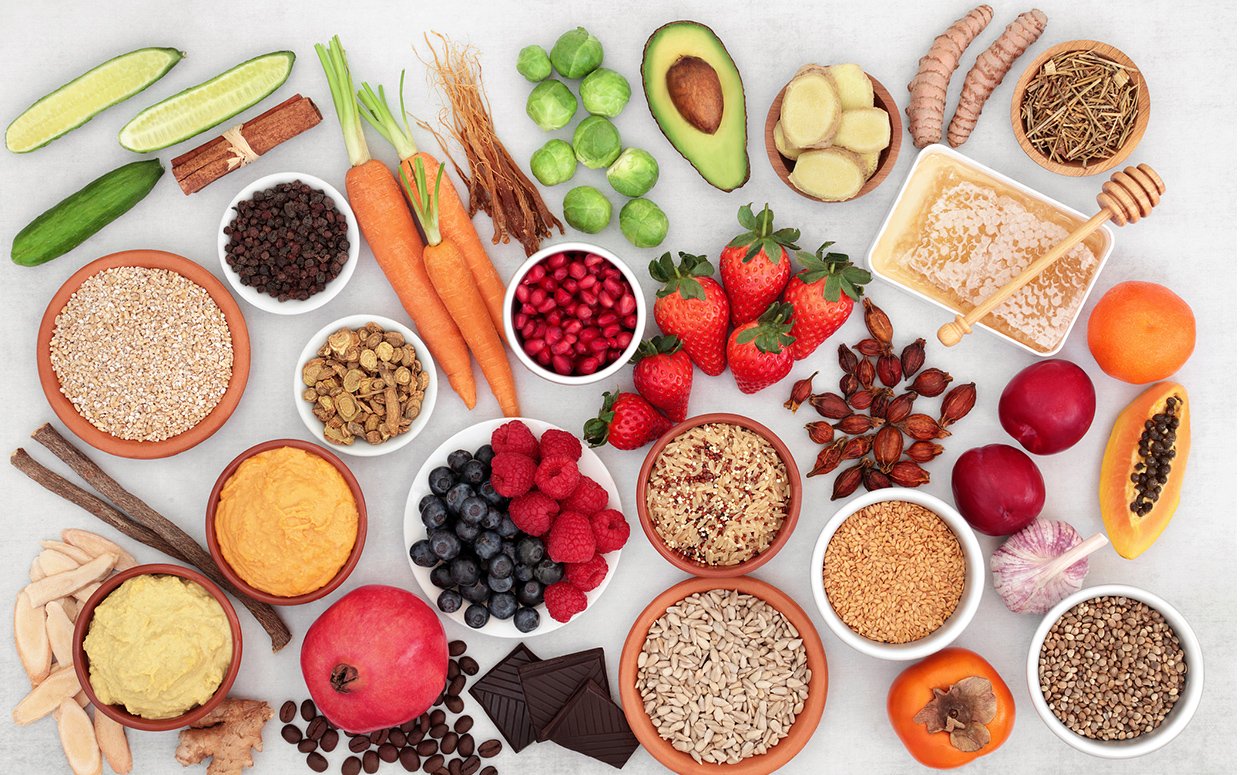
Inflammation is a natural response of the body to protect itself from harmful stimuli, such as pathogens or injuries. However, chronic inflammation can lead to various health problems, including heart disease, diabetes, and arthritis. Fortunately, incorporating anti-inflammatory foods into your diet can help reduce inflammation and promote overall well-being. Here are some delicious and nutritious options that you can add to your meals.
1. Berries: Bursting with antioxidants and phytochemicals, berries like blueberries, strawberries, and raspberries are excellent anti-inflammatory powerhouses. These fruits have been shown to reduce markers of inflammation in the body.
2. Fatty Fish: Fish like salmon, mackerel, and sardines are rich in omega-3 fatty acids EPA and DHA. These healthy fats not only support brain health but also possess potent anti-inflammatory properties.
3. Leafy Greens: Incorporating leafy greens such as spinach, kale, and Swiss chard into your meals is an excellent way to boost your intake of vitamins (including vitamin K) and minerals while reducing inflammation.
4. Turmeric: This vibrant yellow spice contains curcumin – a compound known for its strong anti-inflammatory effects. Adding turmeric to curries or smoothies can provide both flavor and potential health benefits.
5. Extra Virgin Olive Oil: Rich in monounsaturated fats and polyphenols, extra virgin olive oil has been linked to reduced levels of inflammatory markers in numerous studies. Use it as a dressing or for light cooking purposes instead of refined oils.
6. Nuts: Almonds, walnuts, pistachios – these crunchy treats are packed with healthy fats that possess anti-inflammatory properties thanks to their high omega-3 content.
7. Ginger: Known for its distinct taste and aroma, ginger also offers powerful anti-inflammatory compounds called gingerols. You can use fresh ginger root when cooking or enjoy it as a tea by steeping slices of ginger in hot water.
8. Green Tea: Sipping on a cup of green tea not only provides a gentle energy boost but also supplies the body with catechins – antioxidants that have been found to reduce inflammation.
9. Tomatoes: Tomatoes are loaded with lycopene, an antioxidant known for its anti-inflammatory properties. Cooking tomatoes enhances the absorption of lycopene, making tomato-based sauces and soups great options.
10. Dark Chocolate: Good news for chocolate lovers! Dark chocolate with a high cocoa content contains flavonoids, which have been shown to possess anti-inflammatory effects when consumed in moderation.
11. Garlic: This pungent herb not only adds flavor to dishes but also offers potential health benefits due to its high sulfur content. It has been linked to reduced inflammation and improved immune function.
12. Whole Grains: Swapping refined grains for whole grains like quinoa, brown rice, and oats can help reduce inflammation by providing fiber and other beneficial compounds that refined grains lack.
It’s important to note that incorporating these foods into your diet is just one step towards reducing inflammation. A balanced diet consisting of various fruits, vegetables, lean proteins, and healthy fats is key for overall health and well-being. Additionally, lifestyle factors such as regular exercise and stress management play a crucial role in combating chronic inflammation.
In conclusion, adding anti-inflammatory foods like berries, fatty fish, leafy greens, turmeric, extra virgin olive oil, nuts, ginger tea or root slices,
green tea,
tomatoes,
dark chocolate,
garlic,
whole grains
to your meals can contribute significantly towards reducing chronic inflammation in the body. By making these dietary changes along with adopting a healthy lifestyle overall,
you’re taking proactive steps towards promoting optimal health.
Always remember to consult with a healthcare professional or registered dietitian before making significant changes to your diet.
They can provide personalized guidance tailored specifically to your needs and help you achieve your health goals.

Leave a Reply