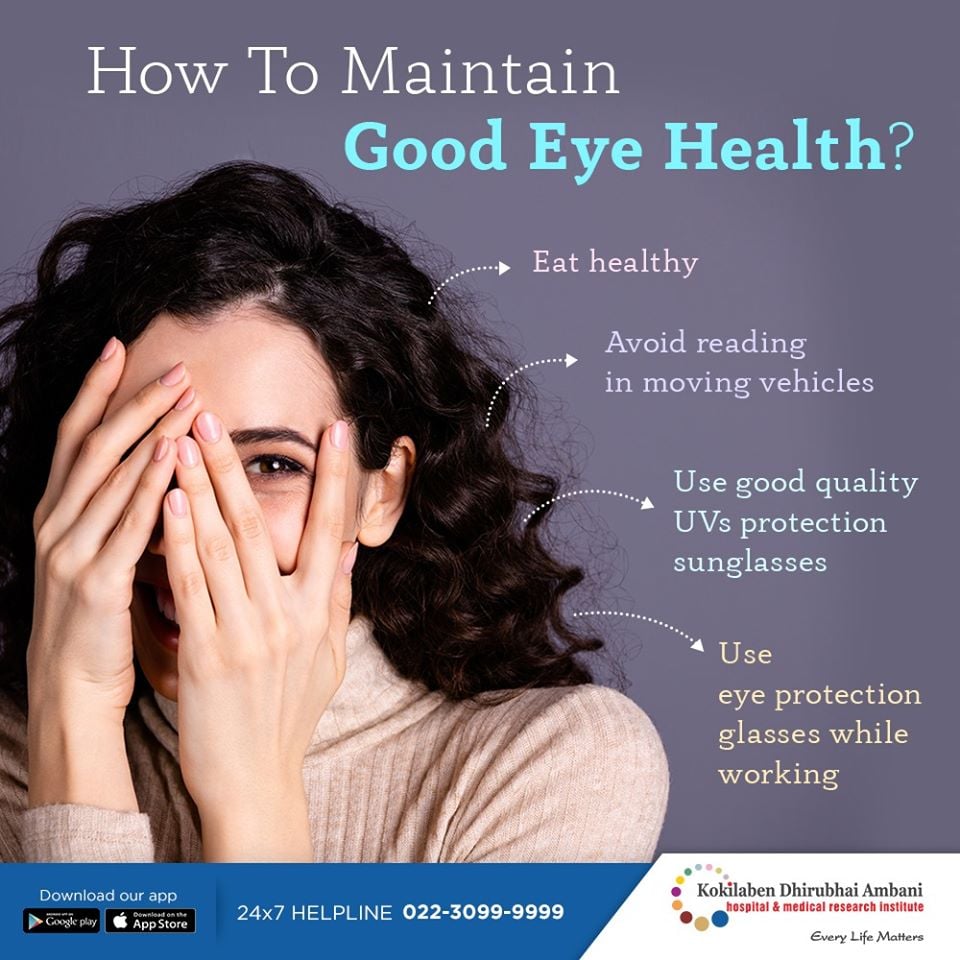
Imagine a world without the ability to see clearly. The vibrant colors of nature, the smiling faces of loved ones, and the awe-inspiring beauty of sunsets would all be lost. Our eyes are truly precious gifts that we often take for granted. But just like any other part of our body, they require proper care and attention to maintain optimal health.
Many factors can contribute to poor eye health, including age, genetics, and lifestyle choices. While some conditions may be beyond our control, there are several proactive steps we can take to protect our vision and promote long-term eye health.
1. Eat a Nutrient-Rich Diet
You’ve probably heard the saying “you are what you eat,” and it couldn’t be more accurate when it comes to your eyesight. A diet rich in nutrients such as vitamins A, C, E, zinc, omega-3 fatty acids, and lutein can help prevent age-related macular degeneration (AMD) and cataracts.
Include leafy green vegetables like spinach and kale in your meals as they contain high levels of lutein and zeaxanthin known for their protective effects on the eyes. Brightly colored fruits like oranges and berries are excellent sources of vitamin C while nuts and seeds provide vitamin E.
Omega-3 fatty acids found in fatty fish like salmon or mackerel play a crucial role in maintaining retinal function. Lastly,
foods containing zinc such as lean meats or legumes support overall eye health.
2. Stay Hydrated
Dehydration not only affects your overall well-being but also impacts your eyes’ moisture levels. Lack of hydration can cause dryness in the eyes leading to discomfort or irritation.
Make sure you drink enough water throughout the day to keep yourself adequately hydrated; this will benefit your entire body including your precious peepers!
3. Protect Your Eyes from Harmful UV Rays
We often remember sunscreen for our skin but tend to overlook protecting our eyes from harmful UV rays. Prolonged exposure to the sun’s ultraviolet (UV) radiation can increase the risk of cataracts and macular degeneration.
When spending time outdoors, especially during peak hours of sunlight, wear sunglasses that provide 100% UVA and UVB protection. Additionally, consider wearing a wide-brimmed hat or using an umbrella for added shade.
4. Take Regular Breaks From Digital Screens
In today’s technology-driven world, it’s nearly impossible to escape screens. Whether it’s your computer at work, your smartphone in your hand, or even the television at home, all these devices emit blue light that can strain your eyes over time.
To reduce eye strain and fatigue caused by prolonged screen time:
a) Follow the 20-20-20 rule: Every 20 minutes spent looking at a screen, take a 20-second break and focus on something approximately 20 feet away.
b) Adjust the brightness and contrast settings on your devices to ensure they are comfortable for your eyes.
c) Consider using blue light filters or glasses designed specifically for reducing digital eye strain.
5. Quit Smoking
Smoking is detrimental to almost every aspect of our health, including our eyesight. Studies have shown that smoking increases the risk of developing AMD, cataracts, uveitis (inflammation of the middle layer of the eye), dry eye syndrome,
and diabetic retinopathy.
If you’re currently a smoker struggling with quitting, seek support from healthcare professionals who can guide you through this challenging process.
6. Maintain a Healthy Weight
Excessive weight gain and obesity have been linked to various health problems including diabetes and high blood pressure – both leading causes of vision loss and damage. By maintaining a healthy weight through regular exercise and balanced eating habits,
you decrease your risk factors for developing these conditions which can negatively affect your eye health.
7. Get Regular Eye Exams
Regular eye examinations are essential for maintaining good eye health, even if you think your vision is perfect. Eye exams can detect early signs of conditions like glaucoma or diabetic retinopathy that may not have obvious symptoms in their initial stages.
Make a habit of scheduling comprehensive eye exams every one to two years, or as recommended by your eye care professional.
8. Practice Good Hygiene and Avoid Eye Infections
Simple hygiene practices can go a long way in protecting your eyes from infections:
a) Wash your hands thoroughly before touching your eyes or applying contact lenses.
b) Clean and replace contact lenses as instructed by your optometrist.
c) Avoid sharing towels, pillows, or makeup tools with others to prevent the spread of bacteria.
By incorporating these habits into our daily lives, we can take control of our eye health and preserve our vision for years to come. Let’s remember that prevention is always better than cure when it comes to something as precious as our sight. So start today – nourish those peepers, protect them from harm, and give them the care they deserve!

Leave a Reply