Interviewer: Good day, readers! Today, we have the pleasure of speaking with nutrition expert Dr. Jane Thompson about a topic that has gained attention in recent years – resistant starches. Welcome, Dr. Thompson!
Dr. Thompson: Thank you for having me.
Interviewer: To start off, could you explain to our readers what exactly resistant starches are?
Dr. Thompson: Certainly! Resistant starches are a type of carbohydrate that resist digestion in the small intestine and instead pass through to the large intestine intact or partially intact. Once they reach the large intestine, beneficial bacteria ferment them, producing short-chain fatty acids that have numerous health benefits.
Interviewer: That sounds fascinating! What are some common sources of resistant starches?
Dr. Thompson: There are several natural sources of resistant starches including green bananas, cooked and cooled potatoes or rice, legumes such as lentils and chickpeas, whole grains like oats and barley, as well as certain types of seeds and nuts.
Interviewer: Are there any specific health benefits associated with incorporating these foods into our diets?
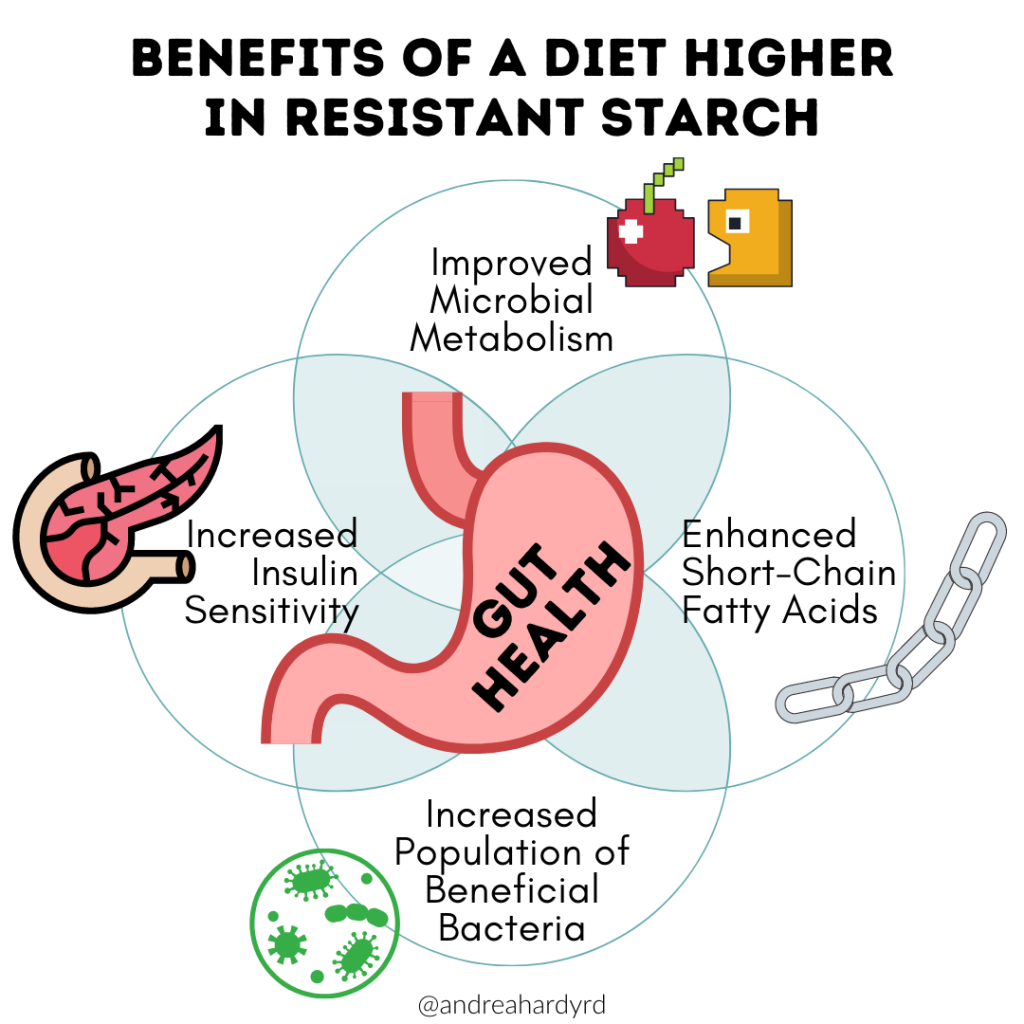
Dr. Thompson: Absolutely! One major benefit is their impact on blood sugar levels. Resistant starches have been shown to improve insulin sensitivity and help regulate blood glucose levels after meals.
Additionally, they can assist in weight management by increasing satiety and reducing hunger cravings throughout the day. Since they aren’t fully digested in the small intestine like regular carbohydrates, they provide fewer calories per gram while still providing a sense of fullness.
Resistant starches also play an important role in gut health by acting as prebiotics – substances that nourish beneficial gut bacteria. The fermentation process produces short-chain fatty acids like butyrate which helps maintain a healthy intestinal lining while reducing inflammation.
Furthermore, studies suggest that consuming resistant starch may lower the risk of colon cancer due to its ability to promote bowel regularity by bulking up stool and reducing the time that harmful substances are in contact with the intestinal wall.
Interviewer: Those benefits sound fantastic! Can you provide some ideas on how to incorporate resistant starches into our daily meals?
Dr. Thompson: Certainly! There are many ways to include these foods in your diet. For instance, try adding cooked and cooled potatoes or rice to salads. The cooling process increases the formation of resistant starches. You can also replace regular flour with green banana flour in baking recipes or enjoy a slice of whole grain bread topped with hummus made from chickpeas.
Another idea is to make overnight oats using rolled oats, chia seeds, and almond milk, allowing them to soak overnight in the fridge. Legumes like lentils can be used as a base for soups or stews, while roasted chickpeas make for a tasty snack option.
Interviewer: Those suggestions sound delicious! Are there any precautions or considerations that people should keep in mind when incorporating resistant starches into their diets?
Dr. Thompson: While resistant starches offer numerous health benefits, it’s important not to go overboard too quickly. Increasing fiber intake abruptly can cause gastrointestinal discomfort such as bloating or gas for some individuals. It’s advisable to gradually introduce these foods into your diet and drink plenty of water to aid digestion.
Additionally, individuals with certain medical conditions such as irritable bowel syndrome (IBS) may find that high-fiber foods aggravate their symptoms. In such cases, it’s best to consult with a healthcare professional before making significant dietary changes.
Interviewer: Thank you for highlighting those points Dr.Thompson! Is there anything else you’d like our readers to know about resistant starches?
Dr. Thompson: I would just like to emphasize that incorporating resistant starches into your diet is part of an overall healthy eating pattern rather than a standalone solution. A well-balanced approach that includes a variety of fruits, vegetables, whole grains, lean proteins, and healthy fats is key. And remember to always listen to your body and make adjustments based on what works best for you.
Interviewer: Thank you so much for sharing your expertise with us today, Dr. Thompson! This has been an enlightening conversation about resistant starches and their benefits.
Dr. Thompson: You’re welcome! It was my pleasure to be here.

Leave a Reply