The Benefits of a Low-Carb Diet
In recent years, low-carb diets have gained popularity as an effective way to lose weight and improve overall health. By reducing the intake of carbohydrates, these diets focus on increasing protein and healthy fats consumption. While there are different variations of low-carb diets, such as the ketogenic diet or Atkins diet, they all share similar principles that can lead to numerous benefits for those who follow them. In this article, we will explore some of the key advantages of adopting a low-carb diet.
1. Weight Loss: One of the primary reasons people turn to low-carb diets is their ability to promote weight loss. When you reduce your carbohydrate intake, your body starts burning stored fat for energy instead. This process is known as ketosis and can result in accelerated weight loss. Studies have shown that individuals following low-carb diets tend to shed pounds more quickly compared to other dietary approaches.
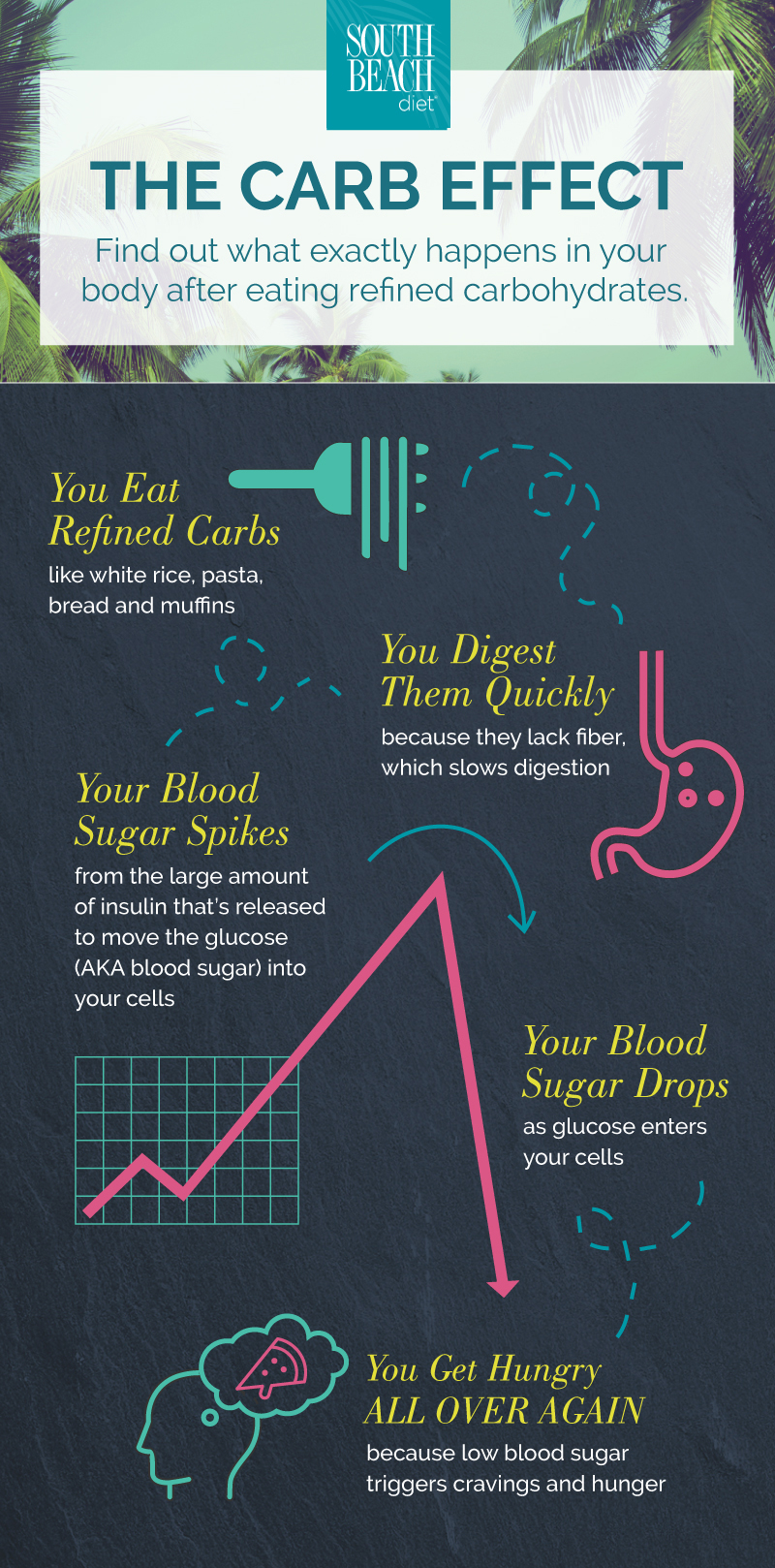
2. Improved Blood Sugar Control: Carbohydrates are broken down into sugar (glucose) in our bodies, which leads to an increase in blood sugar levels after meals. For people with diabetes or insulin resistance, managing blood sugar levels is crucial for their well-being. A low-carb diet helps regulate blood sugar by reducing the amount of glucose entering the bloodstream after eating.
3. Reduced Risk of Heart Disease: High levels of LDL cholesterol (commonly referred to as “bad” cholesterol) are associated with an increased risk of heart disease. Low-carb diets have been shown to lower LDL cholesterol levels while increasing HDL cholesterol (“good” cholesterol). This balance promotes heart health by reducing inflammation and improving overall lipid profiles.
4. Increased Satiety: Foods high in carbohydrates often lack sufficient fiber and protein content, leaving us feeling hungry soon after consuming them—leading us into a cycle of overeating and snacking on unhealthy foods throughout the day. On a low-carb diet, the emphasis on protein and healthy fats helps increase feelings of fullness, reducing the urge to snack between meals.
5. Improved Mental Clarity: Many individuals report experiencing improved mental clarity and focus when following a low-carb diet. This is thought to be due to stable blood sugar levels, as well as an increased intake of omega-3 fatty acids found in foods like fish and nuts. These nutrients play a vital role in brain health and cognitive function.
6. Reduced Inflammation: Chronic inflammation is linked to numerous health issues, including heart disease, diabetes, and certain types of cancer. By reducing carbohydrate consumption, low-carb diets can help lower inflammation markers in the body. Additionally, these diets often include anti-inflammatory foods such as leafy greens, berries, and fatty fish that further contribute to overall well-being.
7. Better Energy Levels: While carbohydrates provide quick energy bursts, they can also lead to crashes later on due to fluctuations in blood sugar levels. On a low-carb diet, where energy comes from fats rather than carbs, many individuals report more sustained energy throughout the day without experiencing those mid-afternoon slumps or cravings for sugary snacks.
8. Lower Blood Pressure: High blood pressure (hypertension) is a significant risk factor for heart disease and stroke. Studies have shown that reducing carbohydrate intake can lead to a decrease in systolic and diastolic blood pressure levels. By adopting a low-carb diet along with other lifestyle modifications like regular exercise and stress management techniques, individuals may be able to better control their blood pressure naturally.
9. Potential Benefits for Certain Medical Conditions: Low-carb diets have been found beneficial for various medical conditions beyond weight loss alone. For example:
– Epilepsy: The ketogenic diet has been used since the 1920s as an effective treatment for epilepsy in children who do not respond adequately to medication.
– Polycystic Ovary Syndrome (PCOS): A low-carb diet may help improve symptoms of PCOS, such as irregular menstrual cycles and insulin resistance.
– Metabolic Syndrome: This condition, characterized by a cluster of health issues including abdominal obesity, high blood pressure, high blood sugar levels, and abnormal cholesterol levels, can be managed effectively with a low-carb diet.
While low-carb diets offer several benefits for many individuals, it is important to note that they may not be suitable for everyone. Consulting with a healthcare professional or registered dietitian before making any significant dietary changes is always recommended.
In conclusion, adopting a low-carb diet has the potential to bring about numerous positive changes in your health. From weight loss and better blood sugar control to improved heart health and increased satiety, there are plenty of reasons to consider reducing carbohydrate intake. However, finding the right balance and approach that works best for your body is crucial. So if you’re considering embarking on a low-carb journey, remember to do thorough research and seek guidance from professionals along the way.

Leave a Reply