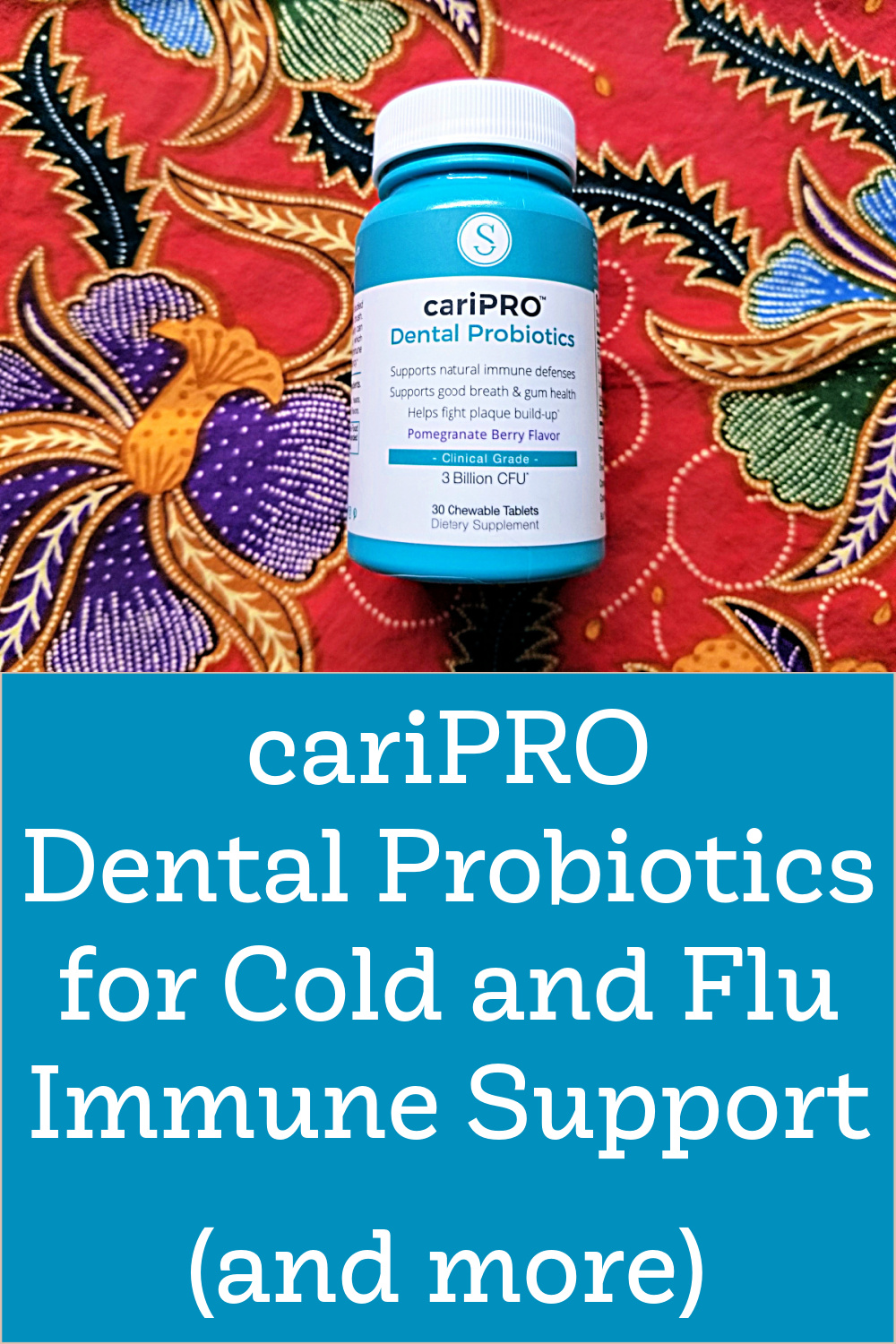
Probiotics have gained significant attention in recent years for their potential health benefits. These live microorganisms, often referred to as “good bacteria,” are known to promote a healthy gut microbiome and improve digestion. However, probiotics can do much more than that. In this article, we will explore the various ways in which probiotics can benefit different aspects of our health, from dental health to mental well-being.
1. Probiotics and Dental Health:
Maintaining good oral hygiene is essential for overall health, and probiotics may play a role in supporting dental health. Research suggests that certain strains of probiotics can help reduce harmful bacteria in the mouth, preventing plaque formation and promoting healthier gums. Additionally, they may help combat bad breath by restoring a balanced oral microbiome.
2. Probiotics for Reducing Food Cravings:
If you struggle with food cravings and find it challenging to maintain a healthy diet, incorporating probiotics into your routine might be beneficial. Some studies have shown that specific strains of probiotics could help reduce cravings for sugary and fatty foods by influencing the gut-brain axis—the communication pathway between the gastrointestinal tract and the brain.
3. Probiotics and Skin Health:
The connection between gut health and skin conditions has been extensively studied, leading researchers to investigate the potential benefits of probiotics on skin health. While more research is needed, early evidence suggests that certain strains of probiotics may alleviate symptoms related to acne, eczema, rosacea, and other common skin issues by reducing inflammation and improving gut integrity.
4. Probiotics and Eye Health:
Although not widely recognized yet, emerging research indicates that some strains of probiotics might positively influence eye health as well. The link between ocular conditions like dry eyes or age-related macular degeneration (AMD) and gut dysbiosis has prompted scientists to explore whether targeted use of certain bacterial species could support better eye function.
5. Probiotics for Managing Allergies:
Allergies, including seasonal allergies and food allergies, can significantly impact one’s quality of life. Probiotics have been studied for their potential to modulate the immune system and reduce allergic responses. While more research is needed, evidence suggests that specific strains of probiotics might help alleviate symptoms and improve tolerance to allergens.
6. Probiotics and Joint Health:
Joint health is a vital aspect of overall well-being, especially as we age. Some studies suggest that certain probiotic strains may help reduce inflammation in the joints by promoting a healthy gut microbiome and modulating the immune response. These findings indicate that probiotics could potentially be used as part of a comprehensive approach to managing joint-related conditions like arthritis.
7. Probiotics for Improving Sleep Quality:
Getting adequate sleep is crucial for our physical and mental health. Interestingly, emerging research suggests that probiotics may play a role in improving sleep quality by influencing factors such as gut-brain communication, circadian rhythm regulation, and reducing stress levels.
8. Probiotics and Brain Function:
The gut-brain connection has long been established, with many researchers referring to the gut as the “second brain.” Studies have shown that certain strains of probiotics can produce neurotransmitters like serotonin and GABA, which are involved in mood regulation and cognitive function. Thus, incorporating probiotics into your diet may support optimal brain health.
9. Probiotics for Reducing Bloating and Gas:
Bloating and gas are common gastrointestinal issues that can cause discomfort and affect daily life activities negatively. Research indicates that some strains of probiotics may help alleviate these symptoms by restoring balance in the gut microbiome, improving digestion efficiency, reducing inflammation in the digestive tract, or breaking down indigestible fibers.
10.Probiotics and Hair Health:
While most commonly associated with digestion or immunity benefits; recent studies suggest a potential link between probiotics and hair health. A healthy gut, supported by a diverse microbiome, may promote nutrient absorption and reduce inflammation, which could indirectly benefit the health of hair follicles.
11.Probiotics for Managing Stress and Anxiety:
Stress and anxiety are prevalent in today’s fast-paced world, and research indicates that the gut microbiome can influence mental well-being. Some studies suggest that certain strains of probiotics may help reduce symptoms of stress, anxiety, and depression by modulating neurotransmitter production, reducing inflammation, or improving gut barrier function.
12.Probiotics and Immune System Support in Children:
Children’s immune systems are still developing; hence they are more susceptible to infections. Probiotics have shown promising results in supporting children’s immune health by reducing the frequency and severity of respiratory tract infections like colds or flu-like illnesses. They may also help prevent antibiotic-associated diarrhea in children.
13.Probiotics for Promoting Healthy Aging:
As we age, maintaining overall health becomes increasingly important. Research suggests that probiotic supplementation may contribute to healthy aging by supporting digestive health, improving nutrient absorption, promoting a balanced immune response, reducing inflammatory markers associated with aging-related conditions like cardiovascular disease or cognitive decline.
14.Probiotic Strains Specifically Beneficial for Women’s Health:
Women experience unique health challenges throughout their lives—from hormonal fluctuations to urinary tract infections (UTIs) and vaginal imbalances. Certain probiotic strains have been studied for their potential benefits on women’s specific needs by promoting urogenital health balance—preventing UTIs or yeast infections—and supporting hormone regulation.
15.The Role of Probiotics in Weight Management:
Maintaining a healthy weight is essential for overall well-being. While no magic pill exists for weight loss; some studies indicate that specific strains of probiotics might support weight management efforts through various mechanisms—for example: regulating appetite hormones (leptin/ghrelin), increasing metabolism efficiency, or reducing inflammation associated with obesity.
16.The Impact of Probiotics on Liver Health:
The liver is responsible for detoxification and plays a vital role in overall health. Emerging research suggests that certain probiotics may help support liver health by modulating the gut microbiome, reducing fatty liver deposits, improving liver enzyme levels, and reducing inflammation markers associated with liver diseases like non-alcoholic fatty liver disease (NAFLD).
17.The Connection Between Probiotics and Heart Health:
Cardiovascular diseases are a leading cause of morbidity worldwide. Recent studies have explored the potential benefits of probiotics in maintaining heart health. Some strains have shown promise in lowering blood pressure levels, reducing LDL cholesterol, improving lipid profiles and endothelial function—contributing to an overall reduced risk of cardiovascular diseases.
18.The Use of Probiotics in Managing Irritable Bowel Syndrome (IBS):
Irritable bowel syndrome is a common gastrointestinal disorder characterized by symptoms like abdominal pain, bloating, diarrhea or constipation. While individual responses vary; evidence suggests that certain strains of probiotics might help alleviate IBS symptoms by restoring gut microbiota balance—reducing inflammation and normalizing bowel movements.
19.The Potential Benefits of Probiotics in Preventing Urinary Tract Infections (UTIs):
Urinary tract infections primarily affect women but can also occur in men. Research indicates that specific probiotic strains may help prevent UTIs by inhibiting the growth of harmful bacteria like E.coli—which commonly causes these infections—and promoting urogenital flora balance.
20.Exploring the Effects of Probiotics on Lactose Intolerance:
Lactose intolerance affects individuals who lack the enzyme lactase required to digest lactose—a sugar found in dairy products fully. Studies suggest that some probiotic strains may assist lactose digestion by producing lactase enzymes or supporting gut integrity—thereby providing relief from digestive issues related to consuming dairy products.
21.Investigating the Relationship Between Probiotics and Mental Health Disorders Like Depression:
Mental health conditions like depression and anxiety have become increasingly prevalent in modern society. While not a cure-all, some research suggests that certain probiotic strains may help alleviate symptoms of depression by modulating neurotransmitter production, reducing inflammation, or improving gut-brain communication pathways.
22.Probiotic Supplementation During Pregnancy: Is it Beneficial?
Pregnancy is a critical time for both the mother and baby’s health. Research indicates that probiotic supplementation during pregnancy may offer benefits such as reducing the risk of gestational diabetes, preventing vaginal infections or urinary tract infections (UTIs), supporting immune function—the overall promoting healthy maternal outcomes.
23.The Impact of Probiotics on Cholesterol Levels:
High cholesterol is a significant risk factor for cardiovascular diseases. Some studies suggest that specific strains of probiotics might contribute to lowering LDL cholesterol levels—often referred to as “bad” cholesterol—and increasing HDL cholesterol levels—”good” cholesterol—thus potentially reducing the risk of heart disease.
24.Probiotic Strains Suitable for Individuals with Gluten Sensitivity or Celiac Disease:
Gluten sensitivity and celiac disease are autoimmune conditions triggered by consuming gluten—a protein found in wheat, barley, rye. While a strict gluten-free diet remains crucial; some research indicates that certain probiotic strains might support gut healing processes by reducing inflammation and aiding digestion in individuals with these conditions.
25.Exploring the Effects of Probiotics on Exercise Performance and Recovery:
Optimal exercise performance and efficient recovery are essential for athletes and fitness enthusiasts alike. Preliminary evidence suggests that specific strains of probiotics may positively impact exercise-related factors such as energy metabolism, oxidative stress reduction, immune function modulation—which could potentially improve overall athletic performance and post-exercise recovery times.
In conclusion, probiotics offer numerous potential health benefits beyond just digestive health. From dental health to mental well-being, probiotics have shown promise in various areas of health and wellness. While more research is needed to fully understand their mechanisms and establish optimal strains and dosages for specific conditions, incorporating probiotic-rich foods or supplements into your daily routine may support overall well-being. As always, it’s essential to consult with a healthcare professional before starting any new supplementation regimen, especially if you have underlying health conditions or are taking medications.

Leave a Reply