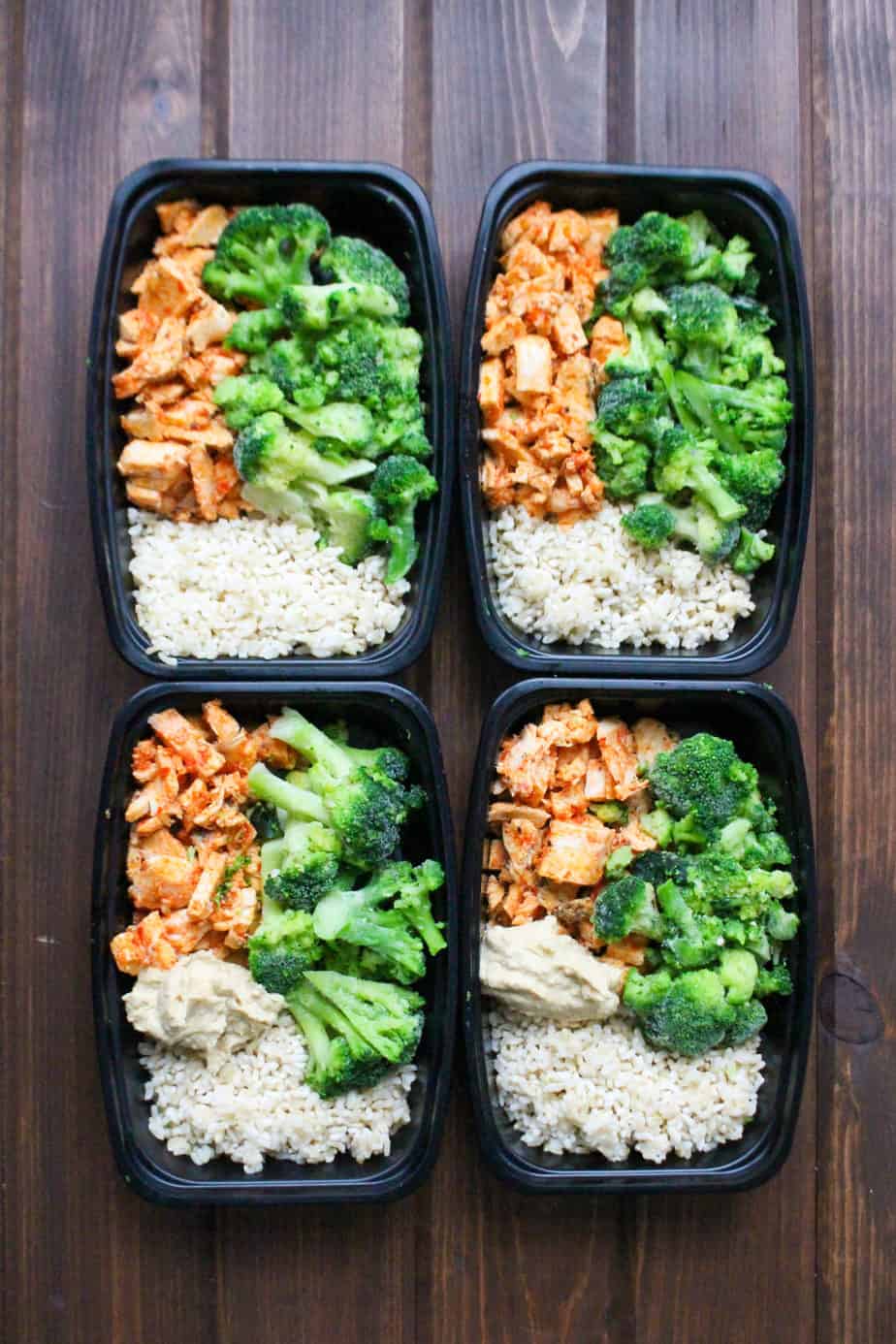
In recent years, the popularity of gluten-free diets has skyrocketed. Whether due to medical reasons such as celiac disease or personal preferences, many individuals are seeking out gluten-free options for their meals. However, following a gluten-free diet can sometimes be challenging when it comes to meal prep and planning. That’s why we’re here to guide you through the process of gluten-free meal prep and help you create delicious and nutritious meals without compromising on taste.
Before diving into the world of gluten-free meal prep, it’s essential to understand what exactly gluten is. Gluten is a protein found in wheat, barley, rye, and triticale. For those who have celiac disease or non-celiac gluten sensitivity (NCGS), consuming even small amounts of gluten can lead to severe health issues like digestive problems, nutrient deficiencies, and inflammation.
To start your journey into gluten-free meal prep, one crucial step is cleaning out your pantry. Get rid of any products that contain wheat flour or other sources of hidden gluten. Instead, stock up on naturally gluten-free staples such as rice (brown or white), quinoa, oats labeled as “gluten-free,” cornmeal, buckwheat flour, almond flour, coconut flour, and tapioca starch.
Once you’ve revamped your pantry with all things gluten-free friendly let’s move on to planning your meals for the week ahead:
1. Breakfast:
When it comes to breakfast options that are both quick and easy but also free from gluten-containing ingredients – think outside the cereal box! Consider making overnight chia pudding using dairy alternatives like almond milk or coconut milk instead of regular cow’s milk. Add fresh fruits for added flavor and nutrients.
Another great option is a veggie-packed omelet made with eggs or egg whites along with an array of colorful vegetables like spinach, bell peppers mushrooms etc.
2. Lunch:
For lunchtime convenience during busy workdays or school schedules, try preparing gluten-free wraps or salads. Swap out traditional tortillas with lettuce wraps or use gluten-free alternatives such as corn tortillas. Fill them with grilled chicken, avocado, and a variety of veggies for a satisfying meal.
If you prefer salads, create your own using a mix of greens like spinach or kale topped with protein options such as grilled salmon or chickpeas. Add in some roasted vegetables and drizzle with a homemade gluten-free dressing.
3. Dinner:
Dinnertime can be the perfect opportunity to experiment with new flavors and ingredients while still sticking to your gluten-free plan. Opt for meals that naturally do not contain gluten like grilled chicken or fish paired with steamed vegetables and brown rice.
For pasta lovers craving their favorite dish without the wheat-based noodles, substitute regular pasta for gluten-free alternatives made from rice, lentils, chickpeas, or quinoa.
4. Snacks:
Snacking between meals is essential to keep energy levels up throughout the day. However, many popular snack options are often filled with hidden sources of gluten. To avoid this pitfall, prepare snacks at home by making your own trail mixes using nuts and seeds along with dried fruits like cranberries or apricots.
Other easy-to-make snacks include homemade granola bars using certified gluten-free oats combined with honey or maple syrup as natural sweeteners.
5. Desserts:
Yes! You can still enjoy delicious desserts even when following a gluten-free diet. Try baking cookies using almond flour instead of regular wheat flour – they’ll turn out chewy and flavorful! Alternatively, whip up a batch of chocolate avocado mousse by blending ripe avocados, cocoa powder, sweetener (like agave nectar), and vanilla extract until smooth.
Remember that convenience is key when it comes to meal prep success! Utilize time-saving techniques like chopping all your veggies at once on meal prep day so that they’re ready to go throughout the week. Additionally, investing in quality storage containers will help keep your meals fresh and easily accessible.
Transitioning to a gluten-free lifestyle may seem daunting at first, but with proper planning and preparation, it can become second nature. By incorporating these tips into your routine, you’ll be well on your way to enjoying delicious and satisfying gluten-free meals that will support your overall health and well-being.

Leave a Reply