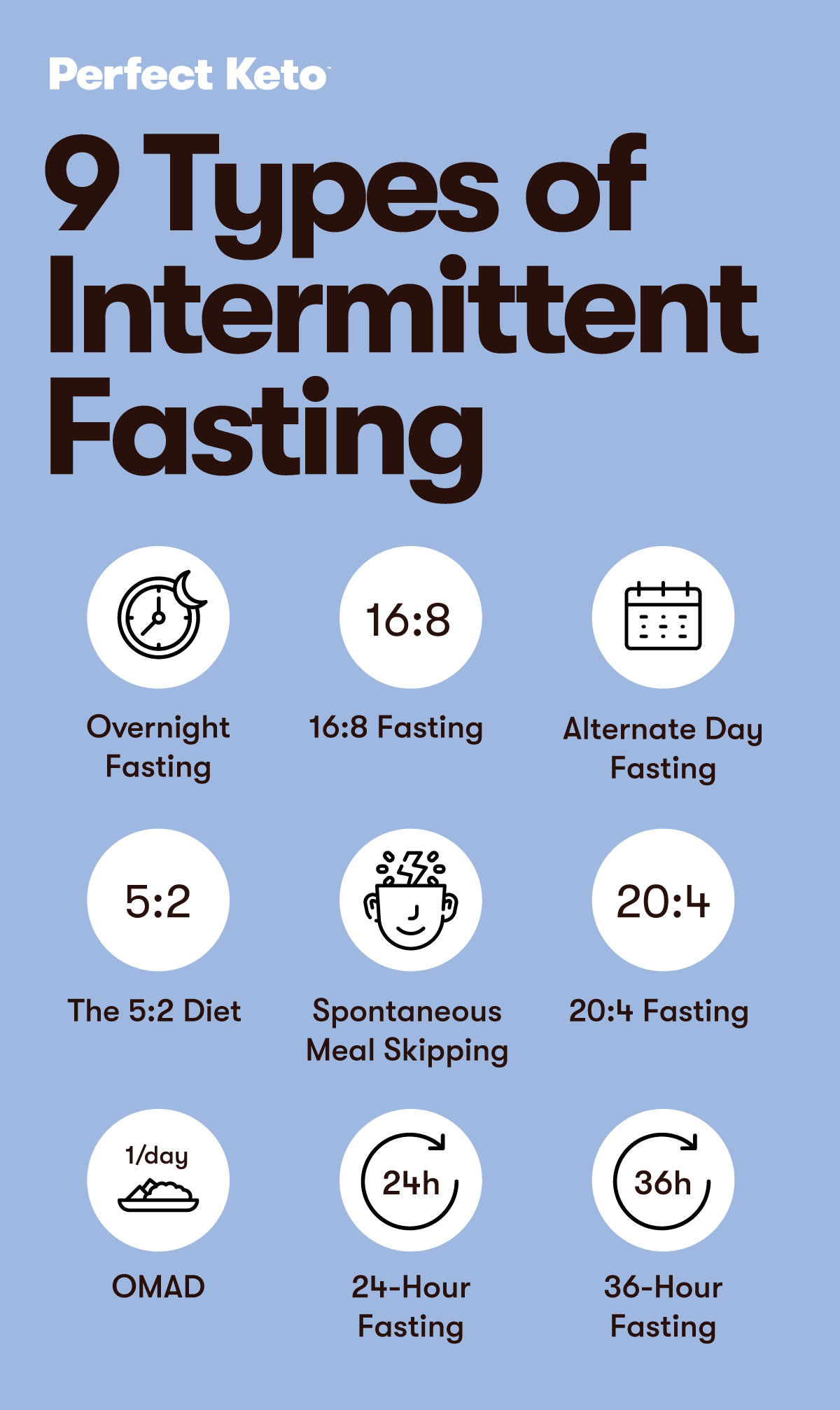
Intermittent fasting has become a popular eating pattern for weight loss and overall health improvement. However, one of the common challenges people face during fasting periods is dealing with hunger cravings. These intense feelings can make it difficult to stick to your fasting schedule. Fortunately, there are several strategies you can employ to manage hunger cravings effectively.
1. Stay hydrated: Sometimes, what we perceive as hunger is actually thirst. Make sure you’re drinking enough water throughout the day, especially during fasting periods. This will help keep you feeling full and reduce cravings.
2. Consume high-fiber foods: Including fiber-rich foods in your meals can help control hunger by promoting feelings of fullness and stabilizing blood sugar levels. Opt for whole grains, legumes, fruits, and vegetables.
3. Eat balanced meals: When breaking your fast or having regular meals, focus on incorporating all essential nutrients such as proteins, healthy fats, and complex carbohydrates into each meal. This combination helps slow down digestion and keeps you satiated for longer.
4. Incorporate protein-rich foods: Protein takes longer to digest than carbohydrates or fats, which means it keeps you feeling fuller for a more extended period. Include lean sources of protein such as poultry, fish, tofu or tempeh in your meals.
5. Practice mindful eating: Slow down during mealtimes and savor every bite mindfully. This allows your brain to register the food intake better and helps prevent overeating later on.
6. Distract yourself: Find activities that divert your attention away from food cravings like going for a walk or engaging in hobbies that keep both your mind and body occupied.
7.Start with an easier approach: If managing hunger becomes too challenging at first while following intermittent fasting strictly (such as 16/8 or alternate-day fasting), consider starting with a gentler approach like time-restricted feeding (TRF) where you gradually increase the duration of the fasting window.
8. Get enough sleep: Lack of sleep can disrupt hunger-regulating hormones and increase appetite. Prioritize good quality sleep to help regulate your appetite better during fasting periods.
Remember, it’s normal to experience some level of hunger during intermittent fasting, especially in the beginning. However, these strategies will help you manage those cravings more effectively and stay on track with your fasting goals. Always listen to your body, make adjustments when necessary, and consult a healthcare professional before making any significant changes to your diet or eating patterns.

Leave a Reply