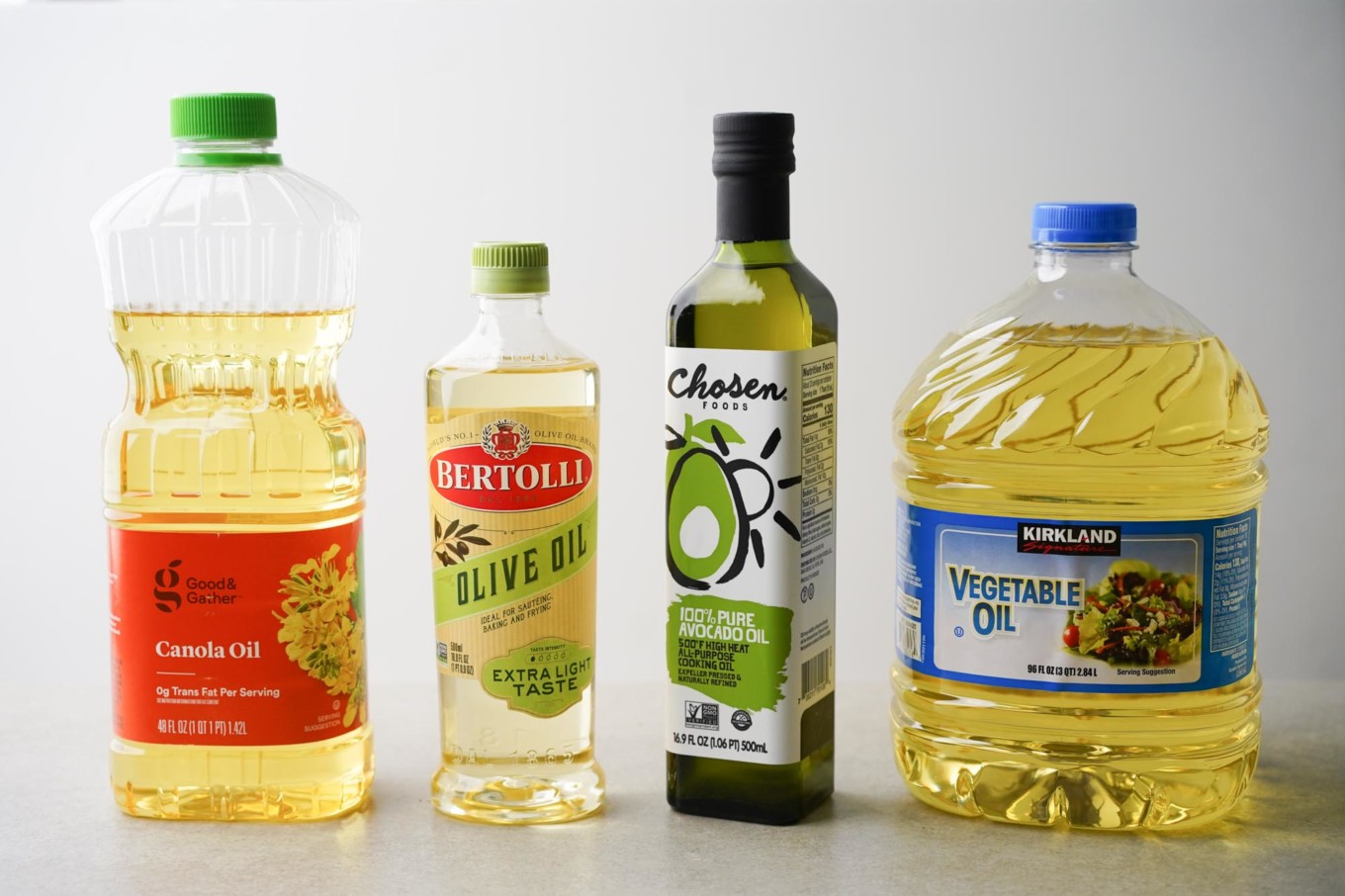
When it comes to cooking oils, there are a wide variety of options available. From olive oil to coconut oil, each type has its own unique flavor profile and health benefits. In this article, we will compare the most popular cooking oils on the market in terms of their nutritional value, smoking point, and taste.
1. Olive Oil:
One of the most well-known and widely used cooking oils is olive oil. It is rich in monounsaturated fats which are known for their heart-healthy properties. Olive oil also contains antioxidants that can reduce inflammation and protect against chronic diseases such as cancer. Extra virgin olive oil (EVOO) is considered the highest quality and has a distinct fruity taste that works well in dressings or as a finishing drizzle over dishes.
2. Coconut Oil:
Coconut oil has gained popularity in recent years due to its unique flavor and potential health benefits. It contains medium-chain triglycerides (MCTs), which are easily digested by the body and can provide quick energy. However, coconut oil is high in saturated fats, so it should be consumed in moderation. Its tropical flavor makes it a great choice for baking or sautéing vegetables.
3. Avocado Oil:
Avocado oil is another healthy option that offers numerous benefits for your body. It is high in monounsaturated fats like olive oil but with a higher smoke point, making it ideal for frying or grilling at higher temperatures without oxidizing too quickly. Avocado oil also contains vitamin E and other antioxidants that promote skin health and boost immunity.
4 . Canola Oil:
Canola oil is derived from rapeseed plants and has gained popularity due to its neutral taste and versatility in various cooking methods including frying, sautéing, baking, etc.. It contains low levels of saturated fat while being high in omega-3 fatty acids which are beneficial for heart health when consumed as part of a balanced diet.
5. Grapeseed Oil:
Grapeseed oil is extracted from the seeds of grapes and has a light, nutty flavor. It is rich in vitamin E and antioxidants that can help protect against cell damage and promote overall health. With a high smoke point, it’s great for stir-frying or cooking at high temperatures.
6. Sesame Oil:
Sesame oil is commonly used in Asian cuisine for its distinct nutty flavor and aroma. It has a relatively low smoke point so it’s best used for sautéing or as a finishing oil rather than for deep frying. Sesame oil is also rich in antioxidants, which can reduce inflammation and support heart health.
7. Sunflower Oil:
Sunflower oil is derived from sunflower seeds and has a mild taste that works well with various dishes. It contains monounsaturated fats along with vitamin E, which acts as an antioxidant to protect cells from damage caused by free radicals. Sunflower oil has a moderately high smoke point but should be used carefully when frying to avoid oxidation.
8 . Peanut Oil:
Peanut oil is popularly used in Asian cuisine due to its distinctive flavor profile that adds depth to dishes like stir-fries or satay sauces.. It has a higher smoking point compared to many other oils which makes it suitable for deep frying or high-heat cooking methods such as searing meat or vegetables.
9 . Walnut Oil:
Walnut oil offers a strong nutty flavor that pairs well with salads, pasta dishes, or even desserts like brownies. It contains omega-3 fatty acids which have been linked to numerous health benefits including improved brain function and reduced inflammation.
10 . Flaxseed Oil:
Flaxseed oil is known for being one of the richest plant sources of omega-3 fatty acids called alpha-linolenic acid (ALA). This particular type of fat is essential for our body and can help reduce inflammation, support heart health, and improve brain function. Flaxseed oil should not be used for cooking at high temperatures due to its low smoke point but it can be added to smoothies or used in salad dressings.
In conclusion, when choosing a cooking oil, it’s important to consider factors such as the nutritional content, smoke point, and taste. Olive oil is a popular choice with its heart-healthy properties and distinct flavor. Coconut oil offers unique benefits but should be consumed in moderation due to its high saturated fat content. Avocado oil provides a good balance of healthy fats along with vitamin E. Canola oil is versatile and has a favorable omega-3 fatty acid profile. Grapeseed oil is rich in antioxidants while sesame oil adds an aromatic touch to dishes. Sunflower oil offers mild flavor with antioxidant benefits, while peanut and walnut oils bring unique nutty flavors to recipes. Lastly, flaxseed oil is packed with omega-3s but should not be heated extensively. By understanding the qualities of each cooking oil, you can make informed choices that suit your health needs and personal preferences in the kitchen.

Leave a Reply