Preserving Seasonal Foods: A Guide to Enjoying Fresh Flavors All Year Round
When it comes to healthy eating, there’s nothing quite like the taste and nutritional benefits of fresh, seasonal produce. However, as the seasons change, our favorite fruits and vegetables become scarce or too expensive. But fear not! With a little bit of planning and some preservation techniques, you can enjoy your favorite seasonal foods all year round.
Why Preserve?
Preserving seasonal foods not only allows you to savor their flavors throughout the year but also helps reduce food waste. By preserving excess produce when it’s at its peak freshness and abundance, you can avoid letting it go to waste. Additionally, preserved foods often retain much of their original nutritional value, making them a great choice for maintaining a healthy diet.
Methods of Preservation
1. Canning:
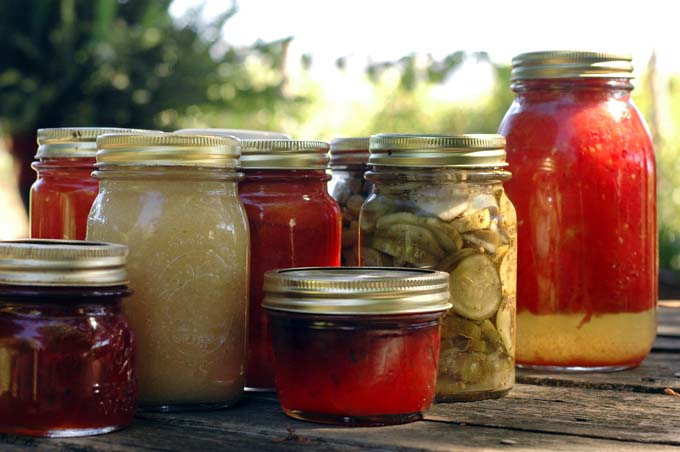
Canning is an excellent method for preserving both fruits and vegetables in jars sealed with lids. The process involves heating the food inside the jar to kill any bacteria or microorganisms that may cause spoilage. This method can be done using either a water bath canner or a pressure canner depending on the acidity level of the food being preserved.
2. Freezing:
Freezing is one of the easiest ways to preserve seasonal produce without altering its taste significantly. Most fruits and vegetables can be frozen successfully by blanching them briefly in boiling water before placing them in sealed freezer bags or containers.
3. Drying:
Drying is an ancient method of preservation that removes moisture from foods to inhibit bacterial growth while concentrating their flavors. Fruits such as apples or berries can be sliced thin and dried naturally under sunlight or using a dehydrator machine, while herbs can be hung upside down until they are completely dry.
4. Fermenting:
Fermentation is not only an effective preservation technique but also adds unique flavors and probiotics to your food. Vegetables like cabbage (for sauerkraut) or cucumbers (for pickles) can be fermented with the help of salt and beneficial bacteria to create tangy, shelf-stable products.
5. Making Jams and Preserves:
Jams and preserves are a delicious way to capture the essence of fresh fruits. By cooking down ripe fruit with sugar and sometimes added pectin, you can create wonderfully sweet spreads that can be enjoyed on toast, paired with cheese, or incorporated into desserts.
Choosing the Right Foods
Not all foods are suitable for preservation. It’s important to select produce that is at its peak ripeness and quality since preserving does not improve the taste or texture of subpar ingredients. Look for fruits and vegetables that are free from blemishes, soft spots, or signs of decay.
Here are some examples of seasonal foods that lend themselves well to preservation:
1. Fruits:
– Berries: Strawberries, blueberries, raspberries
– Stone fruits: Peaches, plums, cherries
– Apples and pears
– Citrus fruits: Lemons, oranges
2. Vegetables:
– Tomatoes
– Corn kernels
– Green beans
– Peppers
– Zucchini
Tips for Successful Preservation
To ensure your preserved foods stay safe and enjoyable throughout their storage period:
1. Use proper equipment:
Invest in high-quality jars for canning or freezer bags designed for long-term storage in the freezer. Be sure to label everything with dates so you know when each item was preserved.
2. Follow tested recipes:
When it comes to preserving food safely, it’s crucial to follow reliable recipes developed by experts in food preservation science. These recipes will provide specific steps on preparation methods as well as information on processing times and temperatures required for safe preservation.
3. Store properly:
Preserved foods should be stored in a cool, dark place away from direct sunlight or extreme temperatures. Check jars or containers regularly for any signs of spoilage, such as bulging lids, discoloration, or strange odors.
4. Rotate your stock:
As you preserve foods throughout the year, be sure to use older preserved items before newer ones to ensure nothing goes to waste and maintains its best quality.
Preserving seasonal foods is a rewarding way to extend the joy of fresh flavors beyond their limited availability. By using various preservation methods and selecting high-quality produce, you can relish the taste of summer even during the coldest months. So why not get started today? Preserve your favorite seasonal foods and enjoy delicious meals all year round!

Leave a Reply