Sprouted Grains in Raw Food Diets
Raw food diets have gained popularity in recent years, with people seeking to improve their health and increase their intake of nutrient-rich foods. One key component of a raw food diet is the inclusion of sprouted grains. Sprouting grains not only enhances their nutritional value but also makes them easier to digest.
When grains are sprouted, they undergo a transformation. Enzymes are activated, breaking down complex carbohydrates into simpler forms that are easier for our bodies to process. This process not only increases the availability of nutrients but also decreases anti-nutrients such as phytic acid, which can inhibit mineral absorption.
Sprouted grains offer numerous health benefits. They contain higher levels of vitamins, minerals, and antioxidants compared to unsprouted grains. For example, sprouted wheat has been found to have increased levels of vitamin C and B vitamins including folate and niacin.
Additionally, sprouting increases the bioavailability of nutrients present in grains by reducing phytic acid content. Phytic acid binds with minerals like calcium, iron, zinc, and magnesium in our digestive system and inhibits their absorption. By reducing phytic acid through sprouting, we can maximize the nutrient uptake from these grains.
Incorporating sprouted grains into a raw food diet is relatively simple. You can use them as toppings for salads or blend them into smoothies for added texture and nutrition. Sprouted grain breads or wraps can be made at home using a dehydrator or purchased from specialty stores catering to raw food enthusiasts.
Fermented Foods and Their Role in a Raw Food Diet
Another important aspect of a raw food diet is the inclusion of fermented foods. Fermentation is an ancient preservation technique that harnesses beneficial bacteria to transform raw ingredients into probiotic-rich foods.
Fermented foods such as sauerkraut, kimchi, kefir, kombucha, and miso are packed with beneficial bacteria, enzymes, and nutrients. These foods support a healthy gut microbiome and aid in digestion.
The fermentation process breaks down complex carbohydrates and proteins into simpler forms that are easier for our bodies to digest. This not only enhances the bioavailability of nutrients but also produces beneficial compounds such as lactic acid, which supports a healthy intestinal environment.
Incorporating fermented foods into a raw food diet can be done in various ways. You can enjoy them as side dishes or condiments, adding flavor and depth to your meals. Fermented vegetables can be added to salads or used as toppings for wraps and sandwiches. Kefir and kombucha can be consumed as refreshing beverages.
The Benefits of Incorporating Seaweed into Raw Food Meals
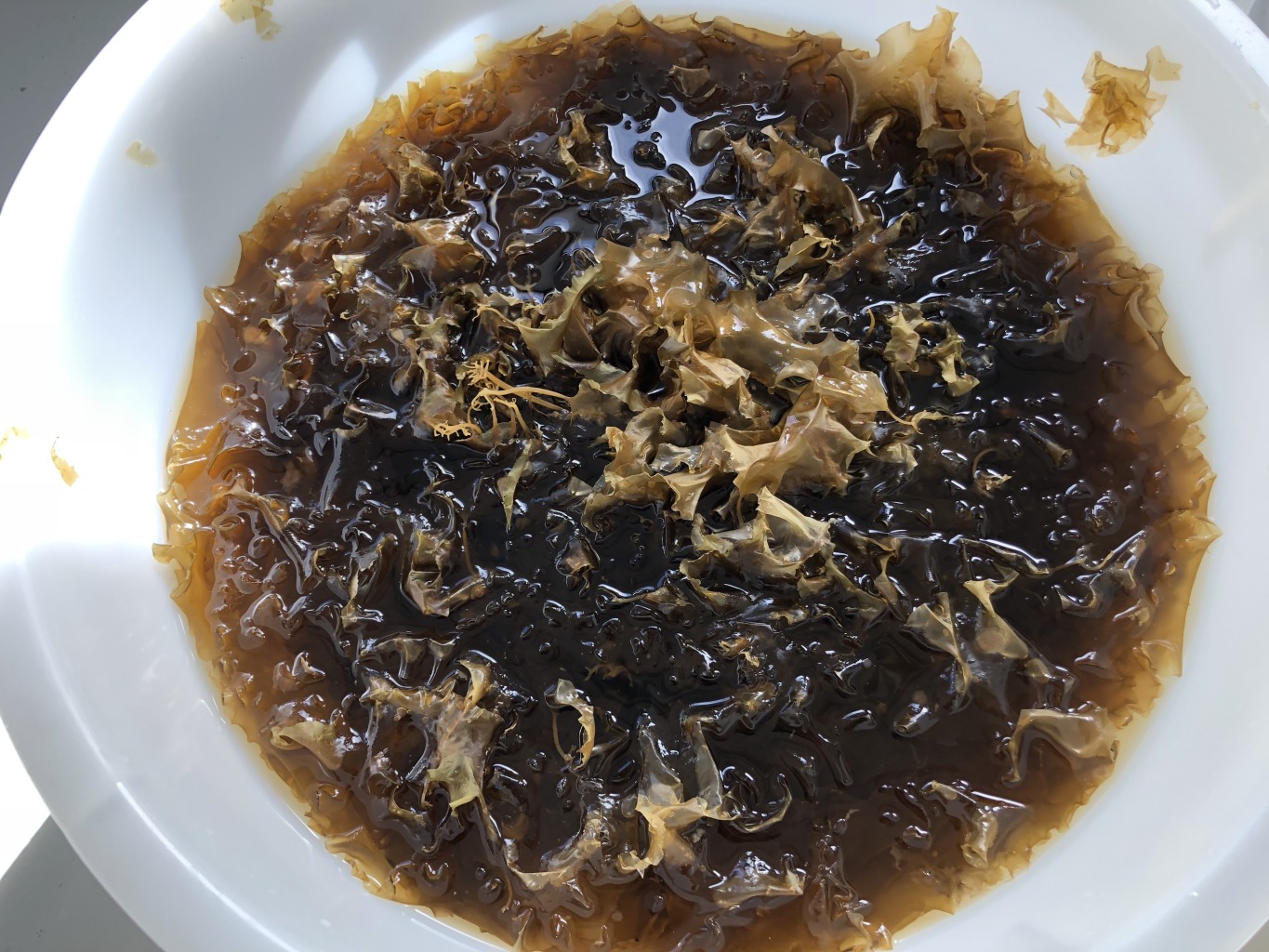
Seaweed is an often-overlooked ingredient in many diets, but it offers exceptional nutritional benefits when incorporated into raw food meals. Seaweeds such as nori, dulse, wakame, kelp, and spirulina are rich sources of vitamins (including B12), minerals (such as iodine), antioxidants, essential fatty acids, and protein.
One significant benefit of seaweed is its high mineral content. It contains essential minerals like iodine – vital for proper thyroid function – magnesium for bone health, iron for oxygen transport in the body, and calcium for strong bones and teeth.
Seaweeds also provide unique compounds called polysaccharides that have been shown to possess anti-inflammatory properties. These compounds may help protect against chronic diseases such as heart disease and cancer by reducing inflammation within the body.
Furthermore, seaweeds are known to contain natural detoxifying agents that bind with heavy metals like mercury present in our bodies from environmental exposure or consuming certain fish species.
Adding seaweed to your raw food meals is easy. You can incorporate dried seaweed flakes or sheets into salads or use them as wrappers for rolls filled with fresh veggies or sprouted grains. You can also blend seaweed into smoothies or use powdered forms in dressings and sauces to enhance flavor while boosting nutrition.
Raw Food Desserts: Exploring Creative and Healthy Options
Many people assume that a raw food diet means giving up desserts. However, raw food desserts offer a delicious and healthy alternative to traditional sugary treats.
Raw food desserts are typically made from whole, unprocessed ingredients such as nuts, seeds, fruits, cacao powder, coconut oil, and natural sweeteners like dates or maple syrup. These ingredients are blended or processed without cooking to retain their nutritional integrity.
One popular raw dessert is the raw chocolate avocado mousse. Avocado provides a creamy base while cacao powder adds rich chocolate flavor without refined sugars. Dates or maple syrup can be used as natural sweeteners to satisfy your sweet tooth.
Another favorite is raw fruit tarts made with a nut-based crust filled with fresh seasonal fruits. The crust is often made from ground almonds or walnuts combined with dates for sweetness and texture.
Raw energy balls or bars make convenient snacks that can be enjoyed on the go. These small bites are typically made by blending dates with nuts/seeds and flavorings such as cinnamon or vanilla extract before shaping them into bite-sized portions.
The impact of soaking nuts and seeds before consuming them in a raw food diet
Nuts and seeds are nutrient-dense foods commonly included in raw food diets due to their high levels of healthy fats, protein, fiber, vitamins, and minerals. However, they also contain enzyme inhibitors that can interfere with digestion when consumed in large amounts.
Soaking nuts and seeds before consumption helps reduce these enzyme inhibitors while increasing the bioavailability of nutrients present in these foods.
When soaked in water for several hours (or overnight), enzymes within the nuts/seeds become activated during germination – breaking down phytic acid compounds found naturally within them. Phytic acid inhibits mineral absorption and can contribute to digestive discomfort when consumed in excess.
Soaking also initiates the sprouting process, which enhances nutrient availability. As the nuts/seeds germinate, they start to release enzymes that break down complex carbohydrates into simpler forms that are easier for our bodies to digest.
After soaking, it is recommended to rinse nuts and seeds thoroughly before consuming them or using them in recipes. This helps remove any residual enzyme inhibitors or phytic acid compounds that may have been released during the soaking process.
Soaked nuts and seeds can be enjoyed as a snack or incorporated into raw food recipes such as salads, smoothies, desserts, or nut-based cheeses.
In conclusion, incorporating sprouted grains, fermented foods, seaweed, soaked nuts and seeds into a raw food diet offers numerous health benefits. These ingredients provide enhanced nutrition and digestion support while adding variety and flavor to meals. Whether you’re following a strict raw food lifestyle or simply looking for ways to incorporate more whole plant-based foods into your diet, these options offer creative alternatives that promote optimal health and wellness.

Leave a Reply