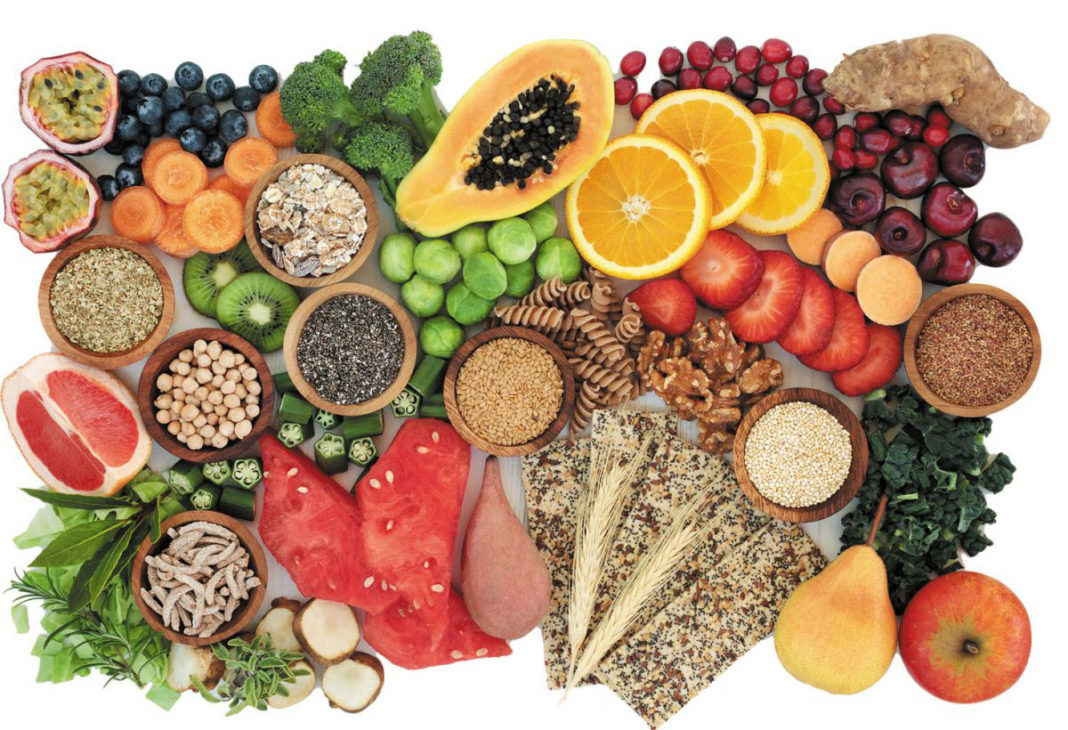
Fiber: The Key to a Healthy Diet
When it comes to maintaining a healthy diet, one of the most important components to consider is fiber. Although often overlooked, fiber plays a crucial role in our overall well-being. From promoting digestive health to managing weight and reducing the risk of chronic diseases, incorporating an adequate amount of fiber into our daily meals is essential.
So what exactly is fiber? Fiber is a type of carbohydrate found in plant-based foods that cannot be digested by our bodies. It passes through the digestive system relatively intact, providing numerous health benefits along the way.
There are two main types of dietary fiber: soluble and insoluble. Soluble fiber dissolves in water and forms a gel-like substance in the stomach. This type of fiber can help lower blood cholesterol levels and regulate blood sugar levels. Insoluble fiber, on the other hand, does not dissolve in water but adds bulk to stools and helps prevent constipation.
Now let’s explore some of the remarkable benefits that consuming an adequate amount of fiber can bring:
1. Improved Digestive Health:
Fiber acts as nature’s broomstick for our intestines, helping to keep things moving smoothly through our digestive system. It adds bulk to stools and softens them, preventing constipation and promoting regular bowel movements. Moreover, insoluble fiber can reduce the risk of developing common gastrointestinal issues such as hemorrhoids and diverticulitis.
2. Weight Management:
If you’re looking to shed some pounds or maintain your current weight, incorporating high-fiber foods into your meals can be highly beneficial. High-fiber foods are usually more filling than low-fiber options because they take longer to chew and digest. This increased satiety helps control appetite and reduces unnecessary snacking between meals.
3. Reduced Risk of Chronic Diseases:
A diet rich in dietary fiber has been associated with a reduced risk of various chronic diseases such as heart disease, stroke, type 2 diabetes, and certain types of cancer. Soluble fiber helps lower LDL (bad) cholesterol levels, while insoluble fiber aids in controlling blood sugar levels by slowing down the absorption of glucose.
4. Diabetes Management:
For individuals with diabetes, consuming an adequate amount of dietary fiber is crucial for managing blood sugar levels. Soluble fiber slows down the breakdown and absorption of carbohydrates, preventing sudden spikes in blood sugar after meals. It also improves insulin sensitivity over time.
5. Heart Health:
Heart disease is a leading cause of death worldwide, but fortunately, incorporating more fiber into your diet can help reduce this risk. Fiber-rich foods such as whole grains, fruits, vegetables, legumes, and nuts have been shown to lower blood pressure and decrease inflammation markers associated with heart disease.
So how much fiber should you aim for? The recommended daily intake varies by age and gender but generally ranges from 25 to 38 grams per day for adults. However, it’s important to increase your intake gradually to avoid digestive discomfort like bloating or gas.
Here are some simple ways to boost your daily fiber intake:
1. Choose Whole Grains: Opt for whole grain bread instead of white bread and whole wheat pasta instead of regular pasta. Swap refined grains with their whole grain counterparts whenever possible.
2. Load Up on Fruits and Vegetables: Aim to include a variety of colorful fruits and vegetables in your daily meals as they are excellent sources of both soluble and insoluble fibers.
3. Snack on Nuts and Seeds: Almonds, chia seeds, flaxseeds, and pumpkin seeds are all great options when it comes to healthy snacks that pack a good amount of dietary fiber.
4. Incorporate Legumes: Beans, lentils, chickpeas are not only rich in protein but also high in dietary fiber content—making them an ideal addition to salads or stews.
5. Don’t Forget About Fiber Supplements: If you find it challenging to meet your daily fiber requirements through food alone, fiber supplements such as psyllium husk or wheat bran can be a convenient option.
In conclusion, fiber is an essential component of a healthy diet that provides numerous health benefits. From promoting digestive health and weight management to reducing the risk of chronic diseases like heart disease and diabetes, incorporating sufficient amounts of dietary fiber into our meals is crucial. By making simple changes in our food choices and opting for whole grains, fruits, vegetables, legumes, and nuts, we can ensure that we are reaping all the advantages that fiber has to offer. So let’s prioritize this often overlooked nutrient and make it a staple in our everyday lives for better overall well-being.

Leave a Reply