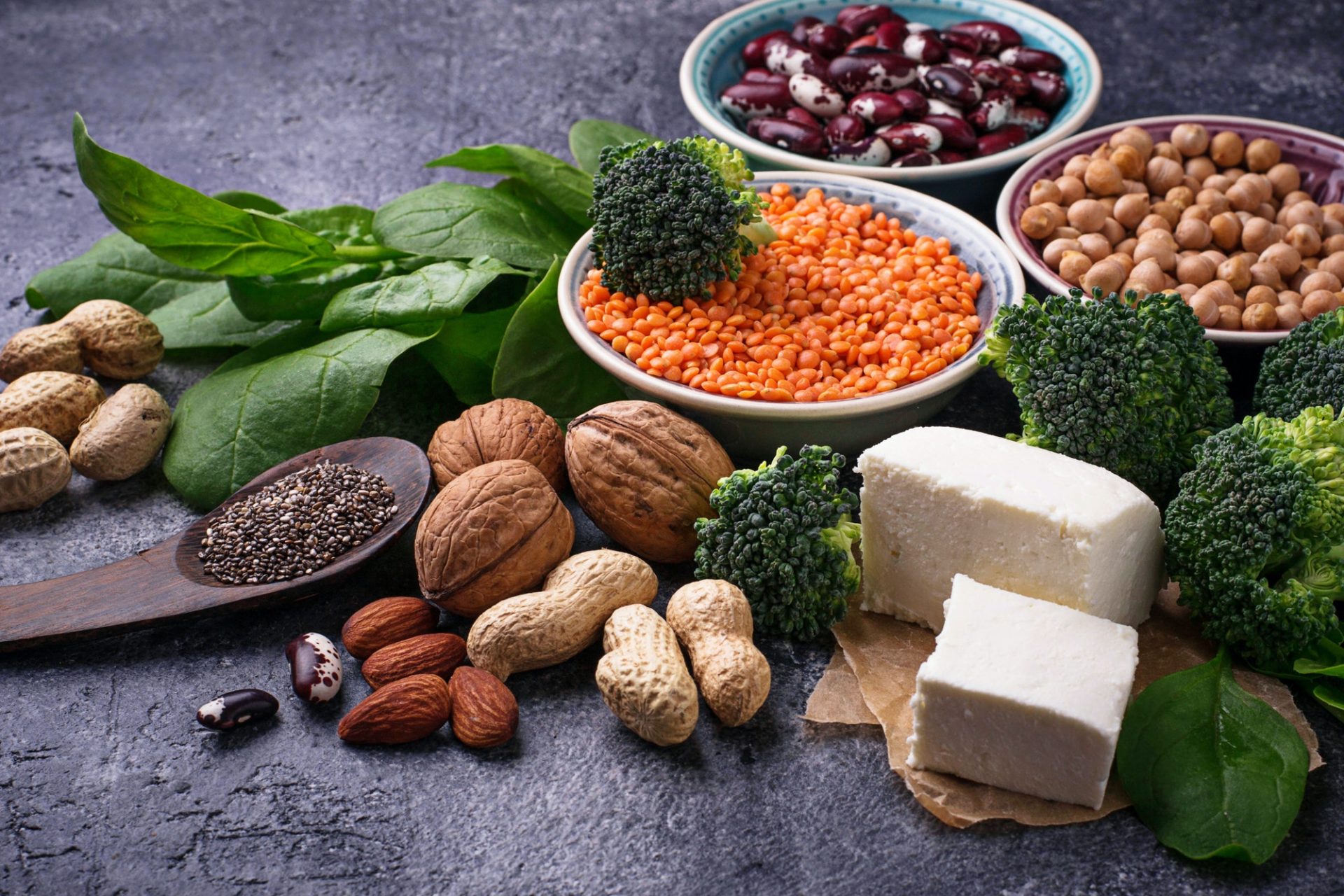
As more and more people are adopting plant-based diets, there is a growing interest in understanding the nutritional differences between animal and plant-based proteins. Proteins are essential macronutrients that play a crucial role in building and repairing tissues, producing enzymes and hormones, and supporting overall health. While both animal and plant-based proteins can provide the necessary amino acids our bodies need, it’s important to consider their respective nutritional profiles.
One of the primary concerns people have when switching to a plant-based diet is whether they will be able to meet their protein needs without consuming animal products. Animal-based proteins are considered “complete” proteins because they contain all nine essential amino acids that our bodies cannot produce on their own. However, with careful planning, it is entirely possible to obtain all the necessary amino acids from plant sources as well.
Animal-based proteins such as meat, poultry, fish, eggs, and dairy products tend to be higher in protein content compared to most plant sources. For example, lean beef contains roughly 26 grams of protein per 100 grams serving while chicken breast provides around 31 grams. On the other hand, legumes like lentils or chickpeas offer around 9-10 grams of protein per 100-gram serving.
In terms of specific nutrients found in animal vs. plant-based proteins, there are some notable differences worth considering. Animal-based proteins often come with higher amounts of certain vitamins and minerals like vitamin B12 (only found naturally in animal products), heme iron (more readily absorbed by the body), zinc (essential for immune function), omega-3 fatty acids (important for heart health), and calcium.
However, it’s important not to overlook the benefits offered by plant-based proteins as well. Plant sources typically have lower levels of saturated fats compared to many animal-derived options while being rich in fiber which aids digestion and promotes satiety. Additionally, plants provide an array of phytonutrients, antioxidants, and beneficial plant compounds that have been linked to a reduced risk of chronic diseases like heart disease, certain cancers, and type 2 diabetes.
When it comes to overall health impact, studies consistently show that consuming a variety of both animal and plant-based proteins is associated with improved health outcomes. It’s important to note that the quality of protein we consume matters just as much as the quantity. A well-balanced diet should include lean cuts of meat or poultry, fatty fish for omega-3s, dairy products in moderation (if not lactose intolerant), and a variety of plant-based proteins such as legumes, nuts, seeds, tofu, tempeh or seitan.
In conclusion, while animal-based proteins may offer certain advantages in terms of protein content and specific nutrients like vitamin B12 and heme iron; plant-based proteins can also provide all essential amino acids when consumed in adequate amounts from a variety of sources. Ultimately, finding the right balance between animal and plant-based proteins is key to meeting our nutritional needs while supporting overall health and well-being.

Leave a Reply