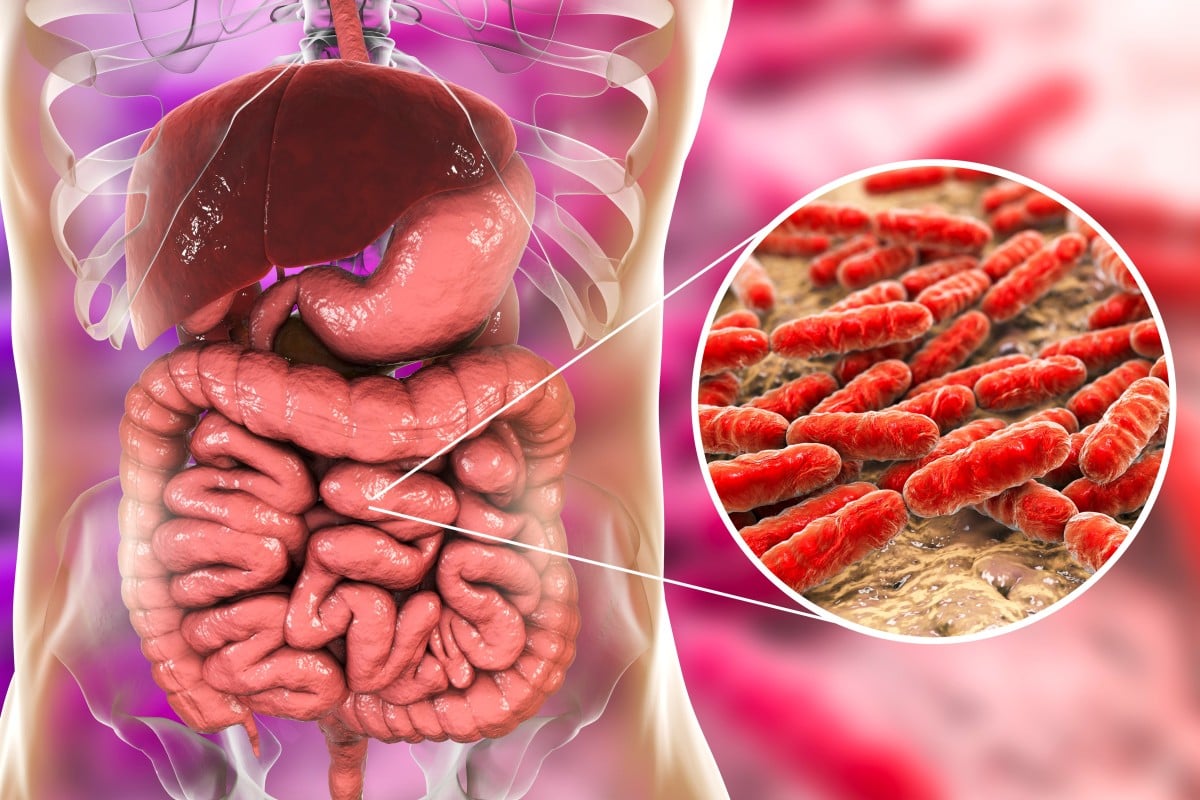
The gut microbiome is a complex ecosystem of trillions of microorganisms living in our digestive system. These microbes, including bacteria, viruses, and fungi, play a crucial role in our overall health and well-being. In recent years, researchers have made significant strides in understanding the importance of maintaining a healthy gut microbiome.
One key function of the gut microbiome is aiding in digestion. These beneficial bacteria help break down food particles that our bodies cannot digest on their own, such as fiber. They produce enzymes that assist in this process and convert these undigested substances into short-chain fatty acids (SCFAs), which provide energy for our cells.
Moreover, the gut microbiome plays a vital role in supporting immune function. Certain strains of bacteria within the microbiome stimulate the production of antibodies and enhance immune responses against harmful pathogens. A well-balanced gut microbiota can also prevent harmful bacteria from colonizing and causing infections.
Research has also shown a strong connection between the gut microbiome and mental health. The communication network between the brain and gut is known as the “gut-brain axis.” Studies have revealed that imbalances in the gut microbial composition may contribute to mental health disorders like anxiety, depression, and even neurodegenerative diseases like Parkinson’s or Alzheimer’s.
Maintaining a diverse and healthy gut microbiota requires attention to diet. Consuming a variety of plant-based foods rich in fiber promotes bacterial diversity within the intestines. Fermented foods like yogurt, kimchi, sauerkraut, kefir are also great sources of probiotics—live bacteria that provide numerous health benefits when consumed regularly.
Unfortunately, several factors can disrupt or harm your gut microbial community: overuse of antibiotics (which indiscriminately kill both good and bad bacteria), chronic stress levels or lack of sleep (which can alter microbial composition), diets high in processed foods (which lack dietary fiber necessary for bacterial growth).
To support a healthy gut microbiome, it is important to focus on eating a balanced diet. Incorporate more fiber-rich whole foods such as fruits, vegetables, legumes, and whole grains into your meals. Consider adding fermented foods or taking probiotic supplements to increase the number of beneficial bacteria.
In conclusion, maintaining a healthy gut microbiome is crucial for overall health and well-being. By understanding the importance of this complex ecosystem and making conscious choices about our diet and lifestyle, we can support the growth of beneficial bacteria in our intestines and reap the rewards of improved digestion, immune function, mental health, and overall vitality.

Leave a Reply