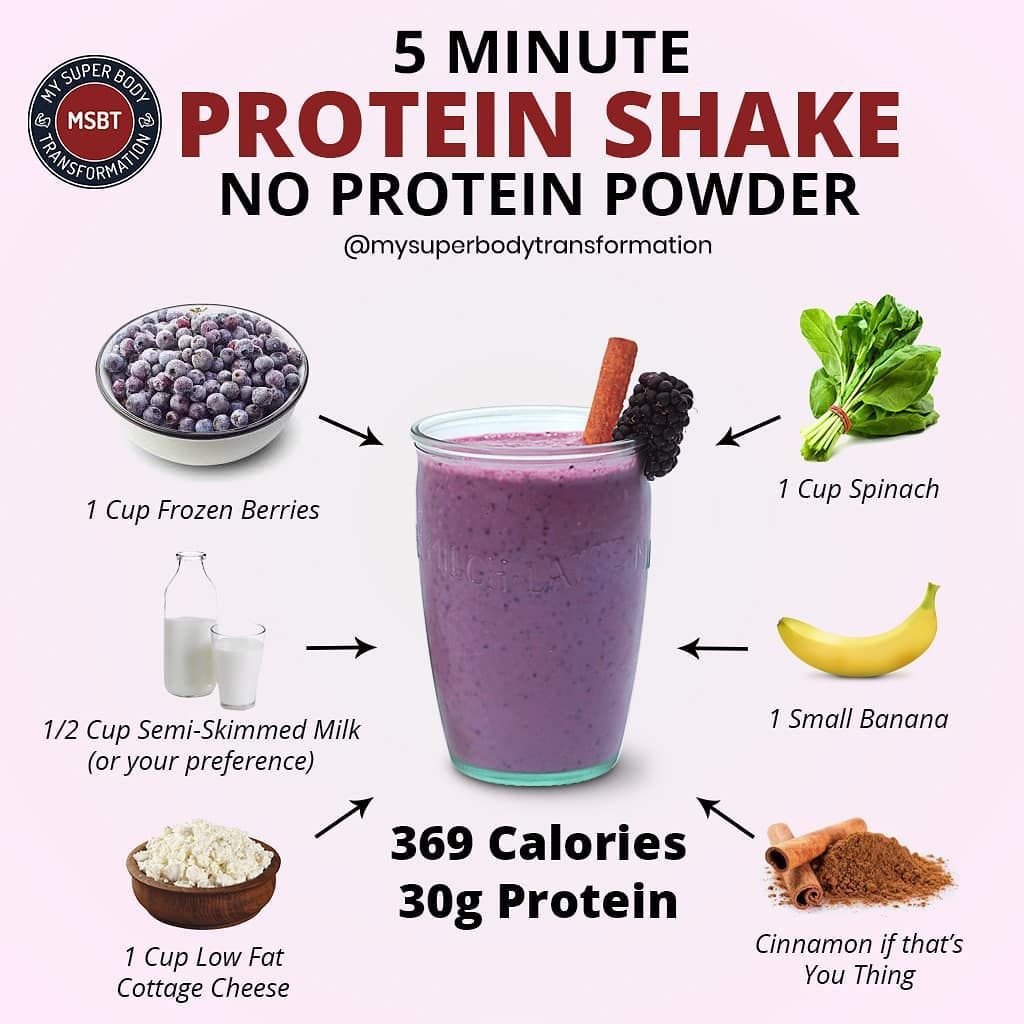
Welcome to our panel discussion on protein shakes and their role in weight loss or muscle gain. Today, we have gathered a group of experts in the field of nutrition to shed light on this popular topic.
When it comes to weight loss, protein shakes can be a valuable tool. High-protein diets help curb hunger and increase satiety, making you feel fuller for longer periods. By replacing a meal with a protein shake, you can reduce your overall calorie intake while still obtaining essential nutrients. Additionally, protein helps preserve lean muscle mass during weight loss, ensuring that most of the lost weight is from fat rather than muscle.
For those aiming to build muscle, protein shakes are often incorporated as part of their post-workout routine. After an intense workout session, your muscles need adequate amounts of protein to repair and rebuild themselves. Protein shakes provide a convenient way to meet these increased demands without relying solely on solid food sources.
But what type of protein should you choose? Whey protein is one popular option due to its quick absorption rate and high content of essential amino acids. Casein protein, on the other hand, is slower-digesting and provides a sustained release of amino acids into the bloodstream over time.
It’s worth noting that while protein shakes can be beneficial for weight loss or muscle gain goals when used appropriately, they should not replace whole foods entirely. A balanced diet consisting of lean proteins (such as chicken breast or fish), fruits and vegetables, whole grains, and healthy fats remains crucial for overall health.
In conclusion, incorporating protein shakes into your diet can support both weight loss efforts by curbing hunger and preserving muscle mass during calorie restriction as well as aid in building muscle through providing necessary nutrients after workouts. However, it’s important to consult with a healthcare professional or registered dietitian before making any significant changes to your dietary regimen.

Leave a Reply