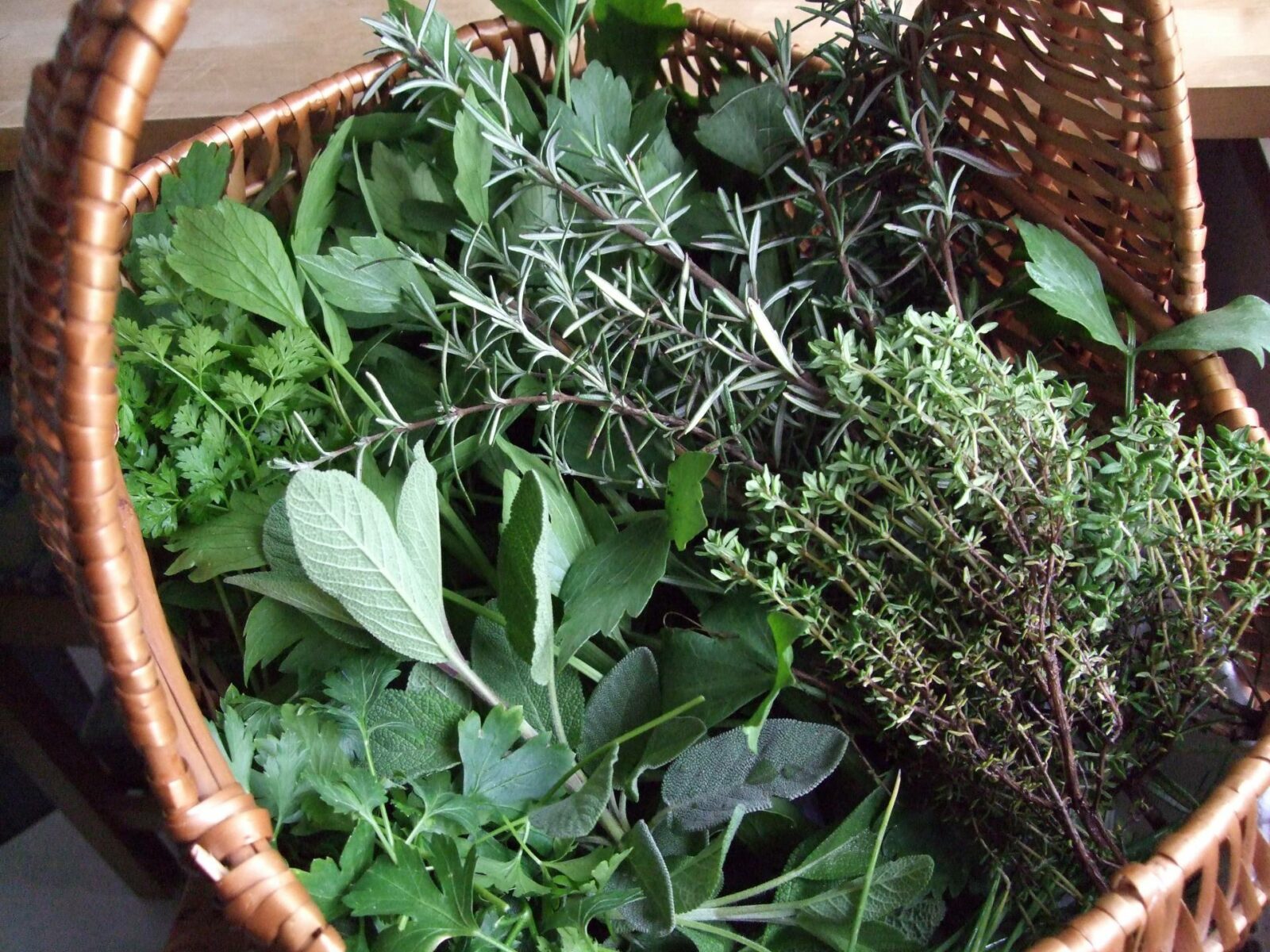
The Mediterranean diet is known for its emphasis on fresh, whole foods and a wide variety of herbs and spices that add flavor and health benefits to meals. These culinary additions not only enhance the taste of dishes but also provide numerous health benefits due to their rich content of antioxidants, anti-inflammatory compounds, vitamins, minerals, and other nutrients. Here are some popular herbs and spices commonly used in the Mediterranean diet:
1. Basil: This aromatic herb adds a fresh, sweet flavor to many Mediterranean dishes. It contains essential oils with antibacterial properties and is a great source of vitamin K, an important nutrient for bone health.
2. Rosemary: With its distinct pine-like fragrance, rosemary pairs well with roasted vegetables and grilled meats. Rosemary has been linked to improved digestion, enhanced memory function, and reduced inflammation.
3. Oregano: Widely used in Greek cuisine, oregano offers a robust flavor profile that complements tomato-based sauces and salads perfectly. It contains potent antioxidants that may help fight off infections.
4. Thyme: Known for its earthy aroma and slightly minty taste, thyme is often used in Mediterranean stews or as a seasoning for roasted meats or vegetables. Thyme possesses antimicrobial properties that can aid in maintaining healthy gut flora.
5. Parsley: This versatile herb is abundant in the Mediterranean region where it’s added generously to salads or used as a garnish on various dishes like hummus or tabbouleh salad. Parsley is packed with vitamins A, C, K as well as folate – all essential for overall good health.
6. Dill: Popularly associated with pickles but widely employed across many cuisines including those around the Mediterranean Sea; dill provides a fresh yet tangy flavor when sprinkled over fish dishes or mixed into yogurt-based dips like tzatziki sauce.
7. Sage: Renowned for its distinct savory essence and woody aroma, sage is often used in Mediterranean cuisine to enhance the flavor of roasted meats or added to stuffings and pasta dishes. Sage contains compounds that have been linked to improved brain function and memory.
8. Cinnamon: Although primarily associated with sweet treats, cinnamon has found its way into savory Mediterranean dishes as well. Its warm and slightly sweet taste adds depth to stews and curries while also helping regulate blood sugar levels.
9. Turmeric: Known for its vibrant golden color, turmeric contains a compound called curcumin, which possesses powerful anti-inflammatory properties. It’s frequently used in Mediterranean cooking, especially in rice dishes like paella.
10. Garlic: A staple ingredient in many Mediterranean recipes, garlic not only adds pungency but also offers numerous health benefits due to its sulfur compounds. It may help lower cholesterol levels, boost the immune system, and improve heart health.
11. Paprika: Made from dried ground peppers, paprika adds a smoky yet mildly spicy flavor to various dishes such as soups or grilled vegetables. It’s also rich in antioxidants that can support eye health.
12. Saffron: This expensive spice derived from the crocus flower imparts a distinct golden hue along with a delicate floral flavor when added sparingly to Mediterranean recipes like risottos or sauces.
Incorporating these herbs and spices into your meals not only enhances their taste but also provides an array of health benefits associated with the Mediterranean diet. Experimenting with different combinations can add variety to your culinary experiences while supporting overall wellbeing.

Leave a Reply