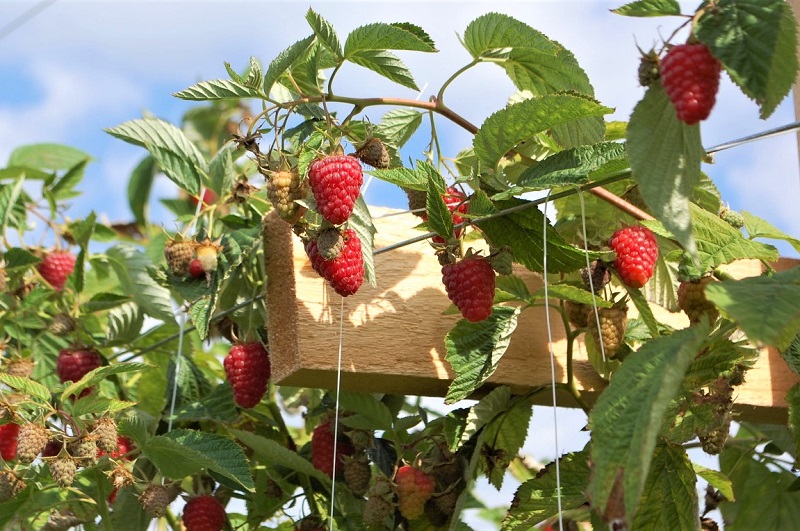
The History of Raspberry Cultivation
Raspberries, known for their vibrant color and sweet-tart flavor, have a long and fascinating history. The cultivation of raspberries dates back thousands of years, with evidence suggesting that they were consumed by ancient civilizations such as the Greeks and Romans. Let’s delve into the rich history of raspberry cultivation and explore the various aspects associated with this versatile fruit.
👉 Check it out: Shop Health Supplements on Amazon
The raspberry plant, scientifically known as Rubus idaeus, belongs to the Rosaceae family. It is native to Europe and Asia but has since been introduced to several parts of North America. The wild raspberry plants can be found growing in forests, mountainsides, and meadows.
👉 Check it out: Shop Fitness Tracker on Amazon
The domestication of raspberries began around 4th century BCE when they were first cultivated in monasteries across Europe. Monks recognized not only their delicious taste but also their medicinal properties. Over time, different varieties emerged through natural mutations or selective breeding.
One notable development in raspberry cultivation occurred during the 17th century when European settlers brought red raspberries to North America. These settlers also encountered Native American tribes who were already familiar with black raspberries (Rubus occidentalis) growing wild in their regions.
During the 19th century, commercial raspberry production started gaining momentum in both Europe and North America due to advancements in agricultural practices. Improved transportation systems made it easier to distribute fresh berries over longer distances.
Today, there are numerous cultivars available worldwide that vary in size, color, taste profiles, and growth habits. These lesser-known varieties offer unique flavors beyond the commonly seen red raspberries found at supermarkets.
1) Black Raspberries: While less popular than red raspberries commercially speaking, black raspberries have a distinctive sweet yet slightly tart flavor profile that makes them stand out. They are smaller than red raspberries but pack a powerful punch when it comes to antioxidants.
2) Golden Raspberries: With a beautiful golden hue, these raspberries offer a milder and sweeter taste compared to their red counterparts. They are visually stunning and can add an elegant touch to both sweet and savory dishes.
3) Purple Raspberries: These hybrids between red raspberries and blackberries combine the best of both worlds. With a rich purple color, they possess a unique flavor profile that is slightly sweeter than traditional red raspberries.
4) Yellow Raspberries: Similar in appearance to golden raspberries, yellow raspberries have a tangy yet sweet taste. Their vibrant color adds visual appeal to fruit salads or desserts.
Aside from their delicious taste, raspberries also offer numerous health benefits. Raspberry leaf tea, made by steeping dried raspberry leaves in hot water, has been used for centuries as a natural remedy for various ailments.
Rich in vitamins C, E, and K, raspberry leaf tea is known for its potential benefits during pregnancy. It is believed to help strengthen the uterus muscles and may aid in easing labor pains when consumed regularly during the third trimester.
Raspberry leaf tea also contains antioxidants that can support overall well-being. The high content of polyphenols helps reduce inflammation in the body while supporting healthy digestion.
In addition to consuming raspberries as fresh fruits or in teas, there are unique ways to incorporate them into savory dishes. Their tartness pairs well with various ingredients like cheese or meats, adding depth and complexity to recipes.
One idea is to use raspberry puree as a glaze for grilled chicken or pork. The natural sweetness of the berries caramelizes on the meat’s surface while imparting a subtle fruity flavor.
Another option is creating a raspberry vinaigrette dressing by combining mashed raspberries with olive oil, vinegar (such as balsamic or apple cider), Dijon mustard, honey (or maple syrup), salt, and pepper. This versatile dressing complements salads featuring spinach or mixed greens along with goat cheese, walnuts, and red onions.
From a nutritional standpoint, raspberries are a powerhouse of essential vitamins and minerals. They are low in calories yet high in fiber, making them an excellent addition to any balanced diet.
Compared to other berries like strawberries or blueberries, raspberries stand out for their high antioxidant content. Antioxidants help fight against free radicals in the body that can cause cellular damage and contribute to chronic diseases such as heart disease and cancer.
Raspberries are particularly rich in anthocyanins, the pigments responsible for their vibrant color. These compounds have been associated with improved cardiovascular health and reduced risk of certain types of cancer.
When it comes to hydration, raspberry-infused water is a refreshing option. By adding fresh raspberries to a pitcher of water and letting it infuse for several hours (or overnight), you can create a subtly flavored beverage that helps increase your daily fluid intake without added sugars or artificial flavors commonly found in commercial drinks.
For those looking to add some tanginess to their salads or marinades while keeping things natural, raspberry vinegar is an excellent choice. Made by fermenting crushed raspberries with vinegar (such as white wine vinegar or apple cider vinegar), this versatile ingredient adds a fruity twist to dressings or sauces.
In recent years, raspberry seed oil has gained popularity within the skincare industry due to its potential benefits for both skin and hair. Cold-pressed from raspberry seeds, this oil is rich in essential fatty acids like omega-3 and omega-6 which help nourish the skin deeply.
Raspberry seed oil is known for its moisturizing properties and may help improve skin elasticity while reducing inflammation. It can be used as part of facial serums or incorporated into DIY skincare recipes such as homemade lotions or lip balms.
For those wanting to indulge in delicious desserts without added sugar, raspberries offer plenty of possibilities. Their natural sweetness makes them a great alternative to sugar-laden treats.
One simple dessert idea is making a raspberry parfait by layering fresh raspberries, plain Greek yogurt (or coconut milk yogurt for a dairy-free option), and crushed nuts or granola. This guilt-free treat offers a delightful combination of textures and flavors while providing essential nutrients such as protein and healthy fats.
Raspberries can also be used as a natural food coloring alternative. Their vibrant color can be extracted by blending them into a puree and straining out the seeds. The resulting liquid can then be used to add natural hues to frostings, icings, or even homemade popsicles.
For breakfast enthusiasts, raspberry smoothie bowls are an excellent way to start the day on a colorful note. By blending frozen raspberries with other fruits like bananas or mangoes along with your choice of liquid (such as almond milk or coconut water), you can create a thick and creamy base for various toppings like chia seeds, sliced almonds, or shredded coconut.
If you’re looking for alternatives to traditional raspberry jam that contain less added sugar, several natural sweeteners can be used instead. Options such as honey, maple syrup, or stevia provide sweetness without overpowering the fruity flavor of raspberries.
To ensure maximum freshness when storing fresh raspberries at home, it’s important to handle them with care. Raspberries are delicate fruits that require gentle handling and proper storage conditions.
To begin with, only purchase berries that appear plump and free from signs of mold or excessive bruising. Once home, remove any spoiled berries from the container promptly to prevent contamination of others.
To store fresh raspberries in the refrigerator:
1) Place unwashed raspberries in a single layer on a paper towel-lined tray.
2) Cover loosely with plastic wrap or place them in a breathable container.
3) Store in the coldest part of your refrigerator (usually the back) for up to three days.
Avoid washing raspberries until just before consuming them. Excess moisture can promote mold growth and reduce their shelf life.
For longer-term storage, freezing raspberries is a great option. To freeze raspberries:
1) Arrange unwashed berries on a baking sheet in a single layer.
2) Place the tray in the freezer for a few hours until the berries are frozen.
3) Transfer the frozen berries to an airtight container or resealable freezer bags.
4) Label and date the containers before returning them to the freezer.
Properly stored, frozen raspberries can last up to one year without significant loss of quality. They can be used in smoothies, baked goods, or thawed for snacking purposes.
Now let’s explore some raspberry-inspired cocktails and mocktails that will surely impress your guests at any gathering. These refreshing beverages offer a burst of fruity flavors combined with various spirits or non-alcoholic alternatives.
1) Raspberry Mojito: Muddle fresh raspberries with mint leaves and lime juice. Add rum (or sparkling water for a mocktail version), simple syrup (or honey/maple syrup), ice cubes, and club soda. Stir well and garnish with additional mint leaves and lime wedges.
2) Raspberry Lemonade Spritzer: In a pitcher, combine freshly squeezed lemon juice, raspberry puree (strained if desired), sparkling water (or lemon-lime soda for added sweetness), ice cubes, and sweeten to taste using simple syrup or natural sweeteners like honey or stevia. Serve chilled with sliced lemons and fresh raspberries as garnish.
3) Raspberry Bellini: Blend ripe raspberries into a smooth puree using either fresh or frozen fruit. Fill champagne flutes halfway with raspberry puree then top up with chilled prosecco (or sparkling water for non-alcoholic version). Stir gently to mix flavors without losing fizziness.
Lastly, let’s explore some raspberry-themed gardening tips and tricks. Growing raspberries in your own backyard can be a rewarding experience, allowing you to enjoy fresh berries straight from the garden.
Raspberries are typically grown using two main methods: summer-bearing and everbearing. Summer-bearing varieties produce fruit on second-year canes while everbearing varieties bear fruit both on first- and second-year canes.
To grow raspberries successfully:
1) Choose a sunny location with well-drained soil.
2) Prepare the planting area by removing any weeds or grass.
3) Dig a trench approximately 8-10 inches deep and wide enough to accommodate the roots of the raspberry plants.
4) Place the raspberry plants into the trench, spacing them according to their specific variety (usually around 2-3 feet apart).
5) Backfill the trench with soil, gently firming it around the roots.
6) Water thoroughly after planting and keep the soil evenly moist throughout the growing season.
Pruning is an essential aspect of maintaining healthy raspberry bushes. For summer-bearing varieties, prune out old canes that have finished fruiting once they turn brownish. This encourages new growth for next year’s crop.
Everbearing raspberries benefit from pruning as well. Cut back all canes to ground level during late winter or early spring before new growth begins. This ensures a more abundant harvest later in summer or fall.
In conclusion, raspberries have a rich history of cultivation dating back centuries. From ancient civilizations to modern-day enthusiasts, these versatile fruits have been cherished for their taste, health benefits, and culinary potential.
Whether enjoyed fresh off the plant or incorporated into various dishes and beverages, raspberries offer endless possibilities for adding flavor, color, and nutrition to our lives. So why not explore this vibrant world of raspberries further by trying out one of these ideas?
🛒 Recommended Products
As an Amazon Associate, we earn from qualifying purchases.
Disclosure: This post contains Amazon affiliate links. As an Amazon Associate, we earn from qualifying purchases at no additional cost to you.

Leave a Reply