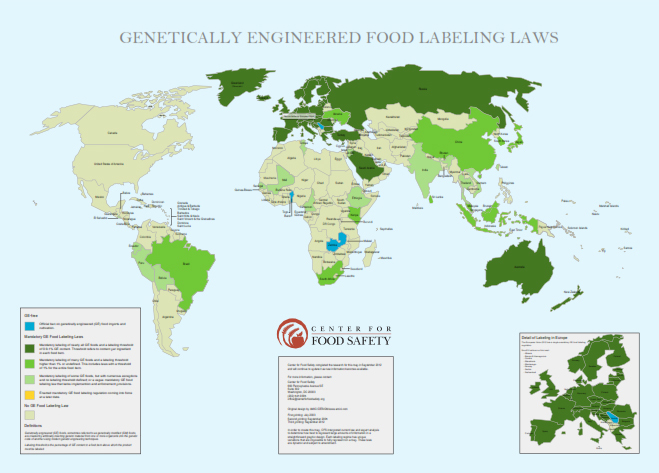
Non-GMO labeling regulations
1. What are the regulations for non-GMO labeling?
Non-GMO labeling regulations vary from country to country. In the United States, the Non-GMO Project is a leading organization that provides third-party verification and labeling for non-genetically modified products. Their verification process involves rigorous testing of ingredients and ongoing compliance monitoring.
The European Union has established regulations requiring GMOs to be labeled as such, while non-genetically modified foods do not require any specific labeling.
2. Are there any international standards for non-GMO labeling?
Currently, there are no universally recognized international standards for non-GMO labeling. However, some countries have implemented their own regulations or adopted guidelines set forth by organizations like the Non-GMO Project.
3. How can consumers identify if a product is truly non-GMO?
Consumers can look for products bearing the Non-GMO Project Verified seal in the United States or check for labels indicating compliance with national or regional regulations in other countries. Additionally, reading ingredient lists and looking out for common genetically modified crops (such as soybeans, corn, cottonseed oil) can help consumers make informed choices about avoiding GMOs.
The impact of GMOs on biodiversity
4. What is the impact of GMOs on biodiversity?
GMOs have raised concerns regarding their potential impact on biodiversity due to their ability to cross-pollinate with wild relatives or closely related crops through gene flow. This could result in genetic contamination and loss of genetic diversity within plant populations.
Additionally, some genetically modified crops are engineered to resist certain herbicides or produce insecticidal proteins. These traits may harm beneficial insects and plants that rely on them as food sources, disrupting ecosystems and potentially reducing overall biodiversity.
5. Have there been any studies conducted on the impact of GMOs on biodiversity?
Several studies have examined this issue with varying results depending on crop type and geographic location. Some research suggests that certain genetically modified crops, such as herbicide-tolerant soybeans and insect-resistant cotton, have had negative effects on non-target species.
However, it is important to note that the impact of GMOs on biodiversity is a complex issue and further research is needed to fully understand the long-term consequences.
Genetic engineering techniques used in GMO production
6. What are some common genetic engineering techniques used in GMO production?
There are several genetic engineering techniques used in GMO production:
a) Agrobacterium-mediated transformation: This involves using a naturally occurring soil bacterium called Agrobacterium tumefaciens to transfer desired genes into plant cells.
b) Biolistic or particle bombardment: Tiny gold or tungsten particles coated with DNA are shot into plant cells using gene guns.
c) Gene editing technologies (e.g., CRISPR-Cas9): These allow scientists to precisely modify specific genes within an organism’s genome.
These techniques enable scientists to insert, delete, or modify specific genes in order to confer desired traits such as resistance to pests or tolerance to certain environmental conditions.
Non-GMO alternatives for common genetically modified crops
7. What are some non-GMO alternatives for commonly genetically modified crops?
For soybeans: Non-GMO alternatives include organic soybeans, tofu made from organic soybeans, and products labeled as “certified non-GMO” by organizations like the Non-GMO Project.
For corn: Look for certified organic corn products or those labeled specifically as “non-GMO.” Other alternative grains like quinoa, millet, and amaranth can also be good substitutes.
For cottonseed oil: Opt for oils derived from sunflower seeds, safflower seeds, coconut oil, olive oil, or other vegetable oils that are labeled as non-GMO.
The role of organic farming in promoting non-GMO practices
8. How does organic farming promote non-GMO practices?
Organic farming promotes non-GMO practices by prohibiting the use of genetically modified organisms in any aspect of production, including seeds, feed, and inputs. Organic certification programs require farmers to follow strict guidelines that ensure the exclusion of GMOs.
Organic farmers prioritize crop rotation, natural pest control methods, and soil health enhancement techniques to reduce their reliance on synthetic pesticides and fertilizers often associated with genetically modified crops. This approach helps to maintain biodiversity while minimizing potential risks to human health and the environment.
Non-GMO seed banks and preservation efforts
9. What are non-GMO seed banks?
Non-GMO seed banks are repositories that store seeds from traditional or heirloom plant varieties that have not been genetically modified. These collections preserve genetic diversity and serve as a resource for future generations.
Seed banks play an important role in maintaining a wide range of plant traits that can be used in breeding programs aimed at developing new crop varieties or preserving endangered species.
10. What are some non-GMO seed preservation efforts?
Many organizations around the world work on non-GMO seed preservation efforts. The Svalbard Global Seed Vault in Norway is one such initiative where seeds from all over the world are stored under ideal conditions for long-term preservation.
Additionally, local community-based initiatives often focus on preserving traditional varieties adapted to specific regions or climates. These efforts aim to safeguard agricultural biodiversity while providing farmers with access to diverse options for sustainable farming practices.
The history and evolution of GMOs in the food industry
11. How did GMOs come about in the food industry?
GMOs emerged as a result of advancements in biotechnology during the 20th century. In 1982, scientists successfully produced the first genetically modified plant using recombinant DNA technology—a tobacco plant resistant to antibiotics.
Since then, genetic engineering techniques have been used extensively to develop crops with desired traits such as herbicide tolerance, insect resistance, improved nutritional content, or extended shelf life.
Controversies surrounding GMO research and funding
12. What controversies exist regarding GMO research and funding?
Controversies surrounding GMO research and funding often center around issues of transparency, conflicts of interest, and the potential for corporate influence.
Critics argue that some studies supporting the safety of GMOs have been funded by companies with a vested interest in promoting their products. This has led to concerns about bias in research findings.
Additionally, there have been debates over whether or not independent researchers have sufficient access to genetically modified materials for conducting unbiased studies.
The influence of multinational corporations on GMO production
13. How do multinational corporations influence GMO production?
Multinational corporations play a significant role in the development, distribution, and commercialization of genetically modified crops. They invest heavily in research and development, patenting novel genetic traits, and marketing genetically modified seeds to farmers worldwide.
Critics argue that this dominance may limit farmer choices by reducing access to non-GMO seeds or forcing them into contracts that restrict seed-saving practices.
Non-GMO certification programs and their effectiveness
14. How effective are non-GMO certification programs?
Non-GMO certification programs like the Non-GMO Project provide consumers with a reliable way to identify products free from genetically modified organisms. These programs require regular testing and ongoing compliance monitoring to ensure accuracy.
However, it is important to note that no system is entirely foolproof. Contamination can occur during various stages of production or supply chain processes despite best efforts to prevent it. Nonetheless, these certification programs provide an extra level of assurance for those seeking non-genetically modified options.
Consumer awareness and education about GMOs
15. How can consumer awareness be increased regarding GMOs?
Increasing consumer awareness about GMOs requires educational initiatives at both individual and community levels:
a) Educating individuals: Providing accurate information through public campaigns, workshops, online resources, or school curricula can help consumers understand the basics of genetic engineering techniques used in food production, potential risks and benefits associated with GMOs, and how to make informed choices.
b) Community engagement: Encouraging dialogue between consumers, farmers, scientists, and policymakers can foster a better understanding of the complexities surrounding GMOs. Local events like farmer’s markets or community discussions can be effective platforms for sharing knowledge and addressing concerns.
Non-GMO animal feed options for livestock farming
16. What are some non-GMO alternatives for animal feed in livestock farming?
For poultry: Non-GMO feed options include corn-free feeds made from alternative grains like millet or sorghum. Organic feeds also ensure that animals are not fed genetically modified ingredients.
For dairy cows: Look for organic dairy products as they require cows to be fed with non-GMO feed. Alfalfa hay is another non-GMO option commonly used in dairy cow diets.
For pigs: Non-GMO pig feeds often contain alternative protein sources such as peas or fishmeal instead of soybeans.
The potential health risks associated with consuming GMOs
17. Are there any potential health risks associated with consuming GMOs?
The safety of consuming genetically modified foods remains a subject of debate among scientists and regulatory bodies around the world. While most regulatory agencies consider them safe for consumption based on available evidence, some studies have suggested possible adverse effects on human health.
Critics argue that long-term health impacts may not be fully understood due to limited research on chronic exposure to genetically modified crops or their byproducts. However, it is important to note that extensive scientific reviews have found no conclusive evidence linking the consumption of approved genetically modified crops to adverse health outcomes.
Non-GMO crop rotation strategies for sustainable agriculture
18. How can crop rotation be used as a non-GMO strategy in sustainable agriculture?
Crop rotation involves systematically planting different crops in succession on the same piece of land over time instead of growing the same crop repeatedly. This practice helps break pest cycles naturally while enhancing soil fertility and reducing the need for synthetic inputs.
In a non-GMO context, crop rotation can be used strategically to avoid planting genetically modified crops year after year. By incorporating diverse non-GMO crops into rotation, farmers can help prevent the buildup of pest pressures specific to certain genetically modified crops while promoting biodiversity and overall sustainability.
The economic implications of non-GMO farming practices
19. What are the economic implications of adopting non-GMO farming practices?
Adopting non-GMO farming practices can have both positive and negative economic implications:
a) Market demand: With increasing consumer interest in non-genetically modified products, there may be opportunities for farmers to tap into niche markets that offer premium prices for organic or certified non-GMO produce.
b) Seed costs: Non-GMO seeds may be more expensive compared to genetically modified varieties due to lower economies of scale and limited availability. However, with growing demand, this price differential may decrease over time.
c) Yield potential: Some genetically modified crops have been specifically engineered for higher yields or resistance against specific pests or diseases. Therefore, adopting non-GMO practices may require additional management strategies to achieve similar productivity levels.
Genetically modified ingredients in processed foods to watch out for
20. Which processed food ingredients should consumers watch out for as potentially being genetically modified?
Common processed food ingredients derived from genetically modified sources include:
a) High-fructose corn syrup (HFCS): HFCS is commonly made from genetically modified corn.
b) Soy lecithin: Soy lecithin is often derived from soybeans that are predominantly genetically modified.
c) Cottonseed oil: Cottonseed oil is primarily sourced from cotton plants that have been genetically altered.
d) Sugar beet sugar: A significant portion of sugar produced globally comes from sugar beets that have been genetically engineered.
e) Canola oil: Most commercially available canola oils come from varieties developed through genetic modification techniques.
To ensure avoidance of genetically modified ingredients in processed foods, consumers should look for products labeled as organic or certified non-GMO. Additionally, being aware of the common crops that are genetically modified can help consumers make informed choices when reading ingredient labels.

Leave a Reply