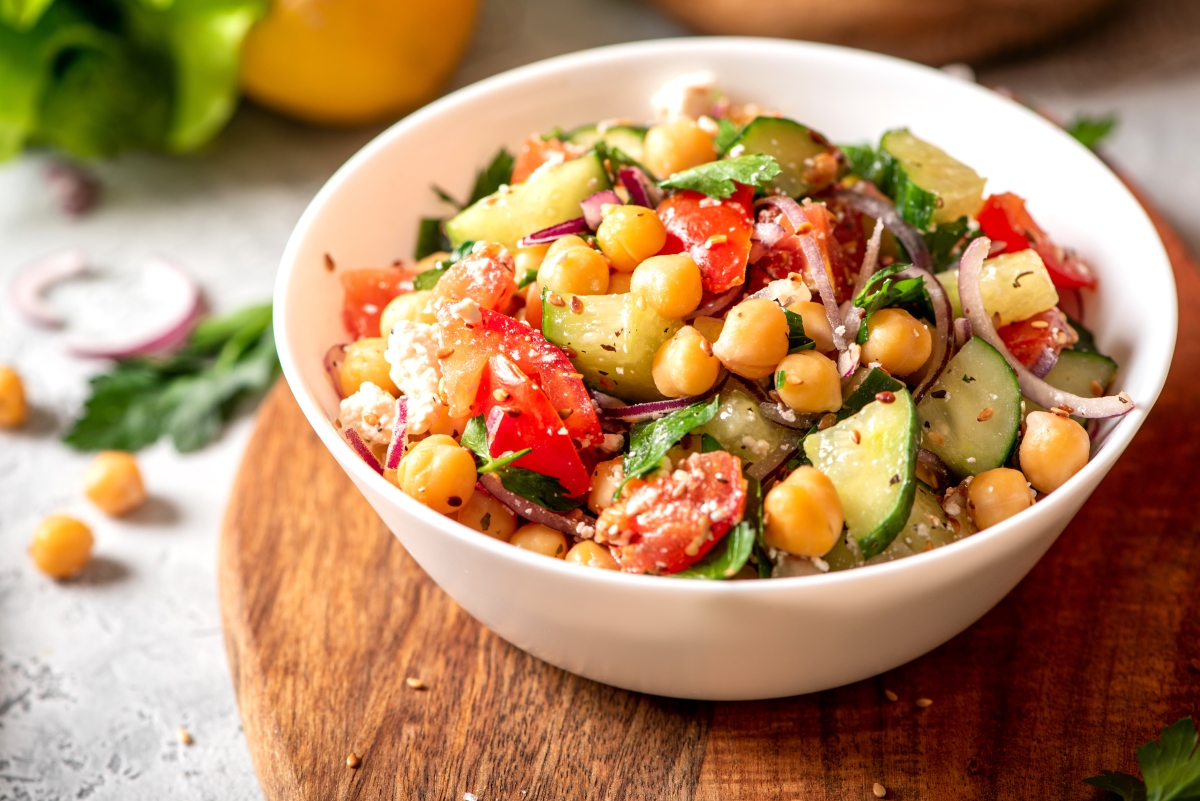
The Mediterranean diet is renowned for its health benefits, promoting longevity and reducing the risk of chronic diseases. It emphasizes whole foods, fresh produce, lean proteins, and healthy fats. While many people are familiar with staples like olive oil and vegetables in this cuisine, there are several lesser-known elements that can enhance a Mediterranean-inspired meal plan. In this article, we will explore some of these hidden gems and how they contribute to a wholesome diet.
1. Legumes:
Legumes play a crucial role in the Mediterranean diet as they provide an excellent source of plant-based protein and fiber. Common legumes used include chickpeas, lentils, and beans such as cannellini or black beans. These versatile ingredients can be incorporated into salads, stews, or even made into dips like hummus.
2. Lesser-Known Herbs and Spices:
Mediterranean cuisine is rich in flavor thanks to an array of herbs and spices beyond the well-known ones like oregano and basil. Sumac adds a tangy note to dishes while za’atar brings a unique blend of thyme, sesame seeds, sumac, and more. Other examples include marjoram, sage, saffron threads – each adding their own distinct taste profiles.
3. Seafood:
Seafood is abundant in Mediterranean coastal regions due to their proximity to the sea. Incorporating seafood into your meals provides essential omega-3 fatty acids along with protein-rich options like fresh fish (such as salmon or sardines), shrimp or shellfish (like mussels or clams). Grilling or baking seafood with lemon juice enhances its natural flavors while keeping it light.
4.Traditional Mediterranean Breakfast Options:
While breakfast may vary across countries within the Mediterranean region; yogurt topped with honey and nuts is common throughout Greece; Italy offers cornetto (a croissant-like pastry) alongside espresso; Spanish breakfast might consist of toast with tomato spread and olive oil, paired with a cup of café con leche.
5. Alternative Grains:
While wheat is commonly associated with Mediterranean cuisine, there are several lesser-known grains that can add variety to your meals. Farro, spelt, bulgur, and freekeh are all ancient grains that can be used in salads or pilafs as alternatives to rice or couscous.
6. Fermented Foods:
Fermented foods like yogurt and sauerkraut have long been part of the Mediterranean diet. These probiotic-rich options support gut health and digestion. Additionally, olives (both green and black) are naturally fermented during the curing process.
7. Lesser-Known Fruits and Vegetables:
Beyond staples like tomatoes and cucumbers, the Mediterranean region offers an array of unique fruits and vegetables. Pomegranates provide a burst of flavor while figs offer natural sweetness. Artichokes, fennel, capers, and Swiss chard also feature prominently in local dishes.
8.Nuts and Seeds:
Nuts such as almonds, walnuts or pistachios along with seeds like flaxseeds or sunflower seeds serve as sources of healthy fats in the Mediterranean diet. They can be enjoyed on their own as snacks or added to salads for extra crunchiness.
In conclusion, exploring these lesser-known elements within the Mediterranean diet can enrich your culinary experience while providing numerous health benefits. From legumes packed with protein to herbs bursting with flavors – each component adds its unique touch to this renowned eating pattern. By incorporating these ingredients into your meals regularly you will not only enjoy delicious food but also reap the rewards of a balanced lifestyle inspired by one of the world’s healthiest diets

Leave a Reply