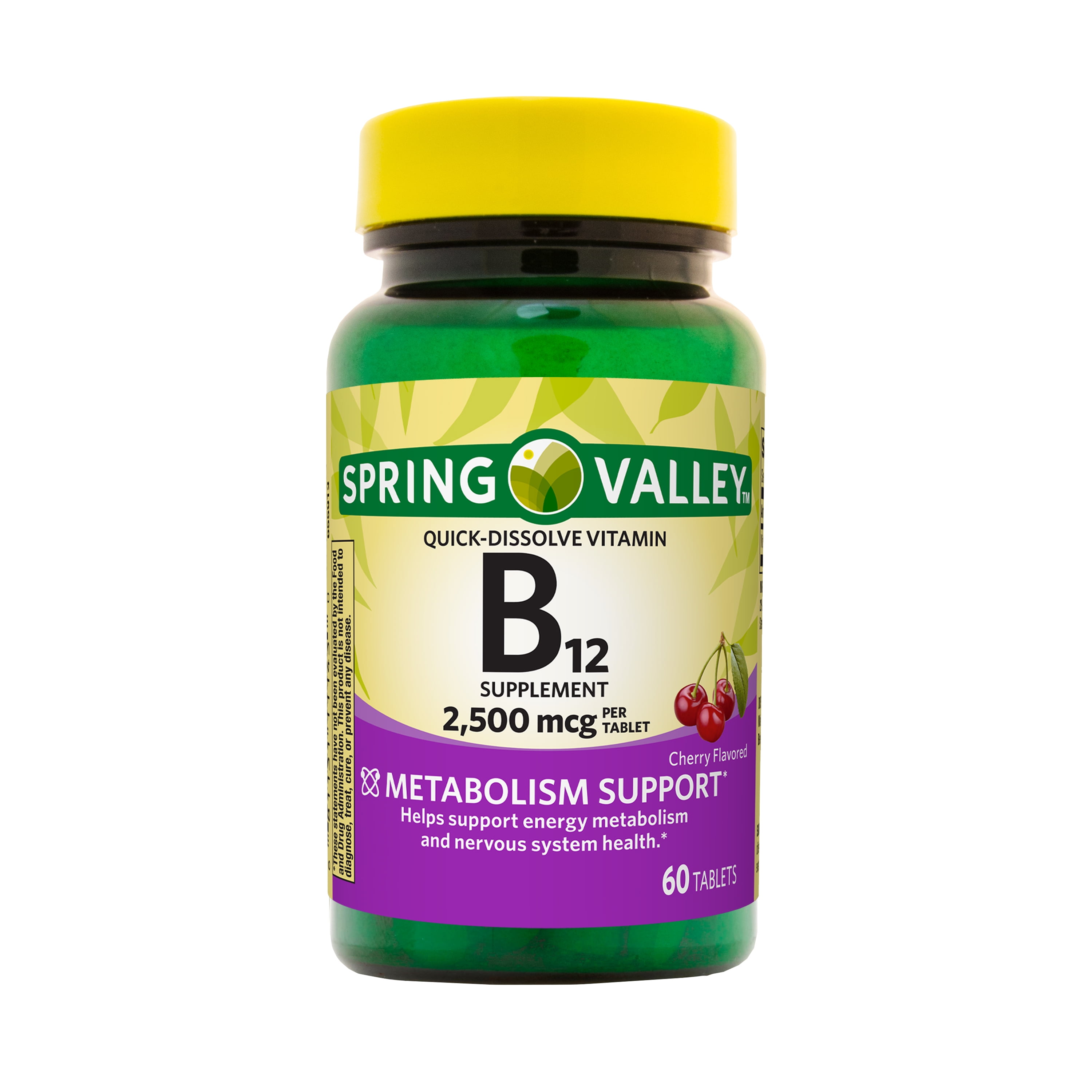
Vitamin B12: The Essential Nutrient for a Healthy Lifestyle
In the world of nutrition, we often hear about the importance of various vitamins and minerals for our overall health. One such nutrient that plays a crucial role in maintaining our well-being is vitamin B12. Also known as cobalamin, this water-soluble vitamin is essential for several bodily functions and is particularly important for those following a plant-based or vegetarian diet.
What is Vitamin B12?
Vitamin B12 belongs to the family of B-vitamins, which are known for their involvement in energy production and metabolism. It plays a vital role in the formation of red blood cells, DNA synthesis, brain function, and nerve tissue maintenance. Unlike other vitamins, however, vitamin B12 cannot be produced by plants or animals but rather by certain bacteria found in soil and water.
Natural sources of Vitamin B12 include animal-derived products such as meat (especially organ meats like liver), poultry, fish (such as salmon and trout), eggs, milk, cheese, and yogurt. For vegans or individuals on plant-based diets who avoid these animal products altogether, obtaining enough vitamin B12 can be challenging. In these cases, fortified foods like breakfast cereals and plant-based milks can help meet daily requirements.
Importance of Vitamin B12
1. Red Blood Cell Formation: Vitamin B12 plays an integral role in the production of healthy red blood cells. These cells carry oxygen throughout the body to support energy levels and maintain proper functioning of organs.
2. Brain Health: Adequate levels of vitamin B12 are necessary for optimal brain function. Research suggests that deficiency may contribute to neurological disorders like memory loss or impaired cognitive abilities.
3. Nerve Function: Vitamin B12 supports the protective covering around nerve fibers called myelin sheath formation—essential for efficient transmission of nerve impulses between cells throughout the body.
4. Energy Production: As part of its role in the metabolism of carbohydrates, proteins, and fats, vitamin B12 helps convert food into energy. Sufficient levels of this nutrient can help combat fatigue and promote overall vitality.
5. DNA Synthesis: Vitamin B12 aids in the production and maintenance of DNA—the genetic material present in all cells. Healthy DNA replication is crucial for growth, development, and repair processes within the body.
Signs of Deficiency
Undiagnosed or untreated vitamin B12 deficiency can lead to several health complications. Symptoms often develop gradually over time and may include fatigue, weakness, shortness of breath, dizziness or lightheadedness, pale skin, tingling or numbness in extremities (hands and feet), memory problems, depression or mood swings.
If left untreated for prolonged periods, severe deficiencies may cause irreversible nerve damage resulting in loss of coordination or balance issues. In some cases, it can even lead to pernicious anemia—a condition characterized by low red blood cell count due to impaired absorption of vitamin B12.
Who’s at Risk?
While anyone can develop a deficiency if their dietary intake is insufficient over time certain groups are at higher risk:
1. Vegans/Vegetarians: As mentioned earlier individuals who follow plant-based diets are particularly susceptible since their primary sources are animal-derived foods.
2. Older Adults: With age comes a decrease in stomach acid production—essential for releasing vitamin B12 from protein-bound foods like meat—which impairs absorption.
3. Individuals with Gastrointestinal Disorders: Those suffering from gastrointestinal disorders like Crohn’s disease or celiac disease have reduced capacity to absorb nutrients including vitamin B12.
4. Gastric Surgery Patients: Certain weight-loss surgeries involving removal or bypassing parts of the stomach reduce the body’s ability to extract sufficient amounts of essential nutrients including vitamin B12.
Meeting Your Vitamin B12 Requirements
To maintain adequate levels of vitamin B12, it is vital to include food sources that provide this nutrient in your diet. For non-vegetarians, consuming animal-derived products like lean meats (beef, chicken), fish, eggs, and dairy products is usually sufficient.
However, for vegans and vegetarians, fortified foods can play a significant role in meeting daily requirements. Many plant-based alternatives such as soy or almond milk are often fortified with vitamin B12. Additionally, certain breakfast cereals and nutritional yeast are also available in fortified versions.
Supplements can be an effective way to ensure adequate intake of vitamin B12 for those who may have difficulties meeting their needs through dietary means alone. These supplements come in various forms including tablets, gummies or sublingual (under the tongue) sprays.
When considering supplementation options, it’s essential to consult with a healthcare professional or registered dietitian who can guide you based on your specific needs and health status.
In Conclusion
Vitamin B12 is an essential nutrient that plays a crucial role in maintaining our overall health and well-being. While it is commonly found in animal-derived products like meat and dairy, individuals following plant-based diets need to pay extra attention to their sources of this vital nutrient. Fortified foods and supplements offer viable alternatives for those unable to meet their requirements through dietary means alone.
Remember: Regularly monitoring your vitamin B12 levels via blood tests can help identify deficiencies before they lead to severe complications. So take charge of your health today by ensuring you’re getting enough vitamin B12—an investment that will benefit you now and in the years ahead!

Leave a Reply