Gluten-Free Grains: A Guide to Healthy Alternatives
In recent years, there has been a growing interest in gluten-free diets. Whether you have Celiac disease, gluten sensitivity, or simply want to explore new options for healthy eating, incorporating gluten-free grains into your diet can be a great way to diversify your meals while still enjoying delicious and nutritious food. In this article, we will explore some popular gluten-free grain alternatives and provide insights on how to incorporate them into your daily routine.
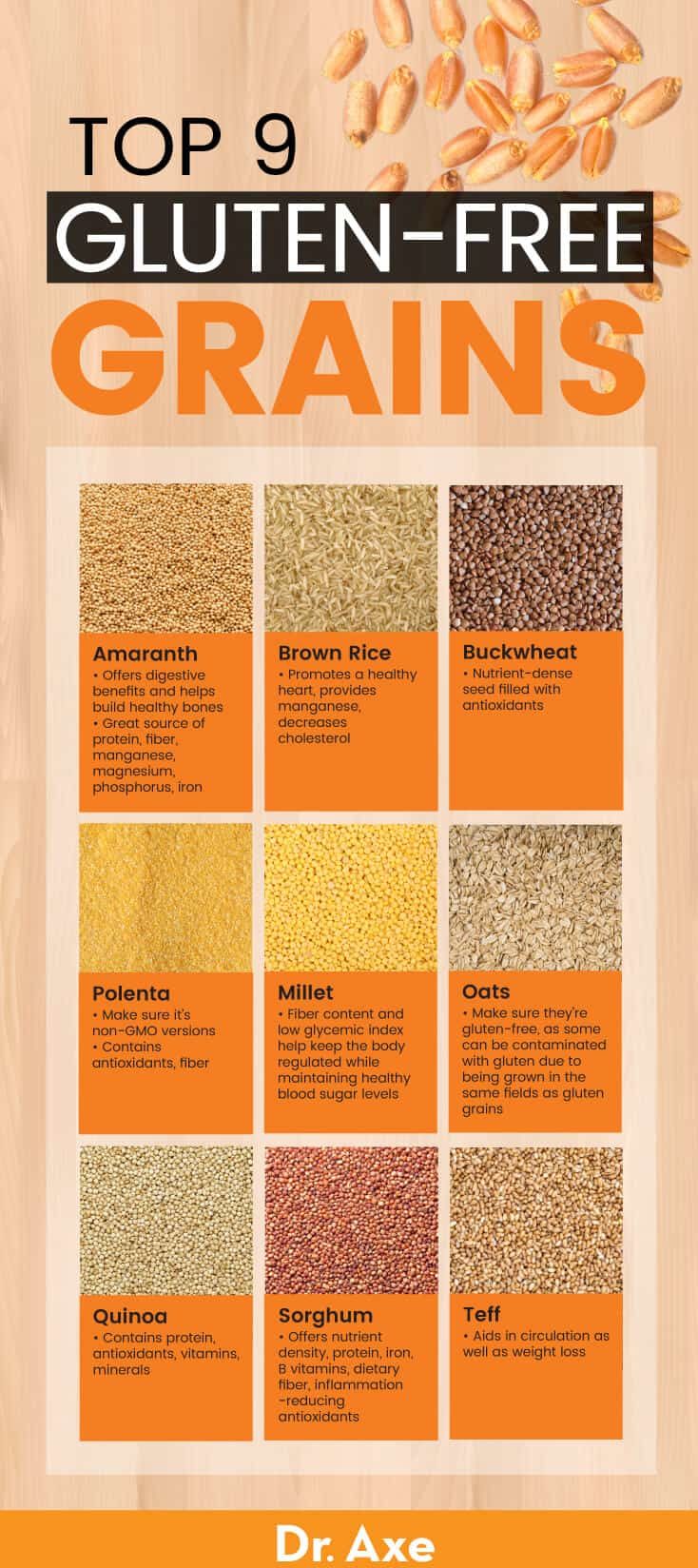
1. Quinoa: Known as the “superfood” among grains, quinoa is not only gluten-free but also packed with protein and essential nutrients. Its nutty flavor makes it versatile for both sweet and savory dishes. Use quinoa as a base for salads or stir-fries, or enjoy it as a side dish instead of rice or pasta.
2. Brown Rice: A staple in many cuisines around the world, brown rice is an excellent source of fiber and minerals such as magnesium and selenium. Swap out white rice with its healthier counterpart in dishes like pilafs or fried rice for added nutritional value.
3. Buckwheat: Despite its name containing “wheat,” buckwheat is actually completely gluten-free! This highly nutritious grain boasts high levels of antioxidants and essential amino acids. Buckwheat flour can be used in baking breads, pancakes, or even noodles for those craving traditional favorites without compromising their dietary needs.
4. Millet: Often overlooked but gaining popularity due to its versatility and health benefits, millet is an ancient grain rich in fiber and antioxidants. With a slightly nutty flavor similar to cornmeal, millet works well as a substitute for couscous or added texture in soups and stews.
5. Amaranth: An ancient grain originating from South America, amaranth provides an impressive array of vitamins such as vitamin K along with iron and calcium content that surpasses most other grains. You can use amaranth to make porridge, as a thickener for soups or stews, or popped like popcorn for a crunchy snack.
6. Teff: This tiny grain from Ethiopia is not only gluten-free but also an excellent source of fiber and minerals such as iron and calcium. Traditionally used in injera, a type of Ethiopian bread, teff flour can also be incorporated into pancakes, muffins, or cookies.
7. Sorghum: Gluten-free sorghum is rich in antioxidants and has gained popularity as a substitute for wheat flour due to its mild flavor profile. Use sorghum flour in baking or cook whole sorghum kernels similar to rice for salads or pilafs.
8. Oats: While oats themselves are naturally gluten-free, cross-contamination during processing is common. Look for certified gluten-free oats if you have celiac disease or severe gluten sensitivity. Oats are incredibly versatile and can be enjoyed as oatmeal, added to smoothies, or used in baked goods like cookies and granola bars.
It’s important to note that while these grains are naturally gluten-free, cross-contamination may occur during processing or packaging. To ensure your ingredients are truly safe from gluten contamination if you have celiac disease or severe sensitivities, look for products labeled “certified gluten-free.”
Incorporating these nutritious alternatives into your diet doesn’t have to be complicated; start by experimenting with small changes in your favorite recipes and gradually incorporate more variety over time. By exploring the world of gluten-free grains mentioned above, you’ll discover new flavors while reaping the health benefits associated with diverse nutrient-rich foods.

Leave a Reply