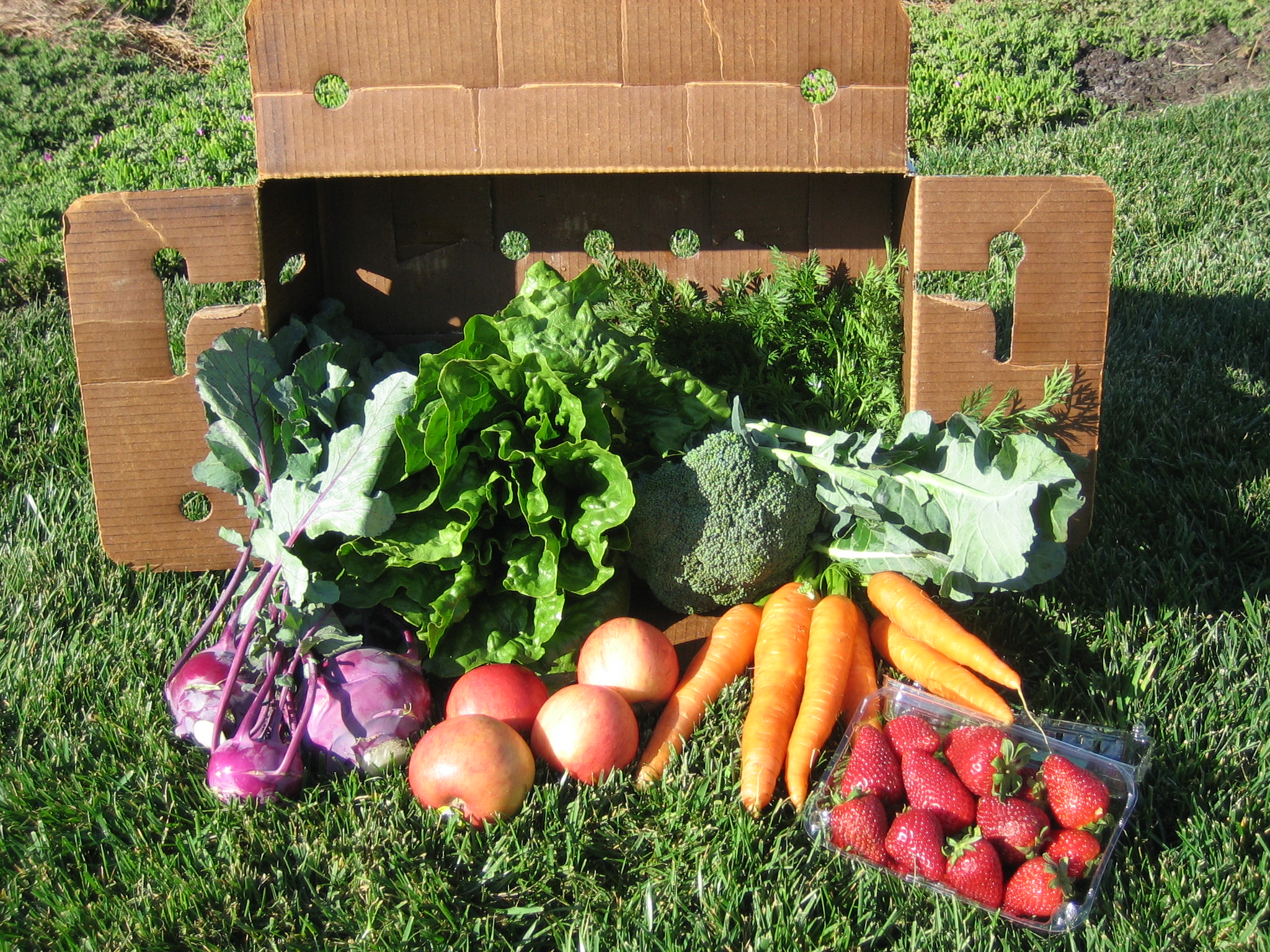
Seasonal Fruits and Vegetables:
Eating seasonally is not only a great way to support local farmers, but it also allows us to enjoy the freshest and most flavorful produce. When fruits and vegetables are in season, they are at their peak in terms of taste and nutritional value. In this article, we will explore the benefits of consuming seasonal produce, as well as highlight some popular options for each season.
Spring:
As winter fades away and spring arrives, nature begins to awaken with an abundance of fresh produce. Some popular fruits that come into season during this time include strawberries, cherries, apricots, and rhubarb. These fruits are not only delicious but also packed with essential vitamins and minerals. Additionally, spring brings an array of vibrant vegetables such as asparagus, artichokes, peas, spinach, and radishes. These vegetables serve as excellent ingredients for salads or can be enjoyed on their own.
Summer:
Summer is perhaps the most exciting time for fruit lovers as it offers a wide variety of sweet treats. Juicy watermelons, succulent peaches, plump blueberries, and refreshing pineapples are just a few examples of the mouthwatering fruits available during this season. On the vegetable front, summer brings an abundant supply of tomatoes (which technically fall under the fruit category), corn on the cob perfect for grilling or boiling to perfection alongside your barbeque spread), bell peppers in all colors imaginable – reds oranges yellows greens purples even brownish purple ones–and zucchinis which can be used in various dishes from stir-frys to noodles.
Autumn:
As summer transitions into autumn and leaves start changing color around us; different varieties become available locally grown apples begin appearing at farmers markets along with pears persimmons grapes figs dates pumpkins winter squash like acorn squash or butternut squash . Root vegetables such as carrots, beets, and sweet potatoes also make their way into the spotlight during this season. These hearty vegetables are not only delicious but also highly nutritious, providing a good source of fiber and essential vitamins.
Winter:
While winter may seem like a barren time for produce, there are still some gems to be found. Citrus fruits like oranges grapefruits lemons limes tangerines clementines become abundant during this time of year. They bring a burst of freshness to the cold winter months and are packed with immune-boosting vitamin C. Other winter delights include pomegranates, cranberries (excellent for making sauces or adding tartness to dishes), and root vegetables like turnips parsnips rutabagas that can be roasted or added to warming stews.
Organic Farming Practices:
With an increasing focus on sustainability and health consciousness, organic farming practices have gained significant popularity in recent years. Organic farming refers to a method of agriculture that relies on natural processes and avoids the use of synthetic chemicals such as pesticides or fertilizers. This approach prioritizes soil health, biodiversity conservation, water preservation while ensuring the production of safe and nutritious food.
One of the main benefits of organic farming is its positive impact on environmental sustainability. By avoiding synthetic chemicals, organic farmers reduce pollution levels in soil and water sources while promoting habitat diversity by preserving beneficial insects birds mammals reptiles amphibians plants fungi bacteria viruses that contribute to ecosystem balance . Additionally, organic farming methods often involve crop rotation which helps prevent soil erosion maintain fertility levels without relying heavily on chemical inputs.
Moreover being free from harmful chemical residues makes organically grown foods safer for consumption contributing healthier lifestyles long-term well-being individuals communities alike . Studies have shown that organic fruits vegetables contain higher levels antioxidants nutrients compared conventionally produced counterparts due absence pesticide residues increased nutrient absorption through healthier soils plants .
Organic farming practices also benefit farmers themselves economically socially . While transitioning conventional systems take time effort initial investment long-term benefits worth it. Organic farmers often receive higher prices their products thanks increased demand consumers willing pay premium organic produce. Furthermore organic farming promotes sustainable livelihoods by supporting local communities reducing dependency expensive inputs like synthetic fertilizers pesticides.
Community-Supported Agriculture (CSA):
Community-supported agriculture, or CSA for short, is a unique model that connects farmers directly with consumers. In a CSA program, individuals can purchase shares of a farm’s harvest in advance, providing financial support to the farmer and ensuring a steady income throughout the growing season.
The concept behind CSA is simple – members become shareholders of the farm and share both the risks and rewards associated with agricultural production. Members typically receive weekly or bi-weekly boxes filled with fresh produce harvested at its peak ripeness. This direct relationship between farmers and consumers fosters a sense of community while promoting transparency and sustainability in food production.
CSA programs offer numerous benefits to both farmers and consumers alike. For farmers, CSAs provide financial stability by securing pre-season revenue, which helps cover upfront costs such as seeds, equipment maintenance, and labor expenses. By selling directly to customers through CSA shares rather than relying solely on wholesale markets or distributors, farmers can build meaningful relationships with their customers while retaining more control over pricing.
From the consumer’s perspective, joining a CSA not only ensures access to high-quality seasonal produce but also encourages eating habits based on what is locally available. It introduces people to new fruits and vegetables they may not have considered otherwise due to limited availability in supermarkets or unfamiliarity with preparation methods . Additionally receiving regular deliveries from their chosen farms allows members connect nature understand cycles seasons firsthand gain appreciation hard work dedication goes into producing food sustainably .
Farmers Markets:
Farmers markets are vibrant hubs where growers come together to sell their produce directly to consumers- offering fresher tastier alternatives supermarket offerings . These markets offer an opportunity for shoppers interact face-to-face local producers ask questions learn about farming methods sustainability practices behind foods they purchase. By supporting farmers markets, consumers are not only getting access to fresh nutritious food but also contributing local economy.
One of the key benefits of shopping at farmers markets is the ability to buy seasonal produce directly from the source. As discussed earlier, consuming fruits and vegetables when they are in season ensures superior flavor and nutritional value. Farmers markets often offer a wider variety of heirloom or uncommon varieties that may not be readily available in supermarkets.
Farmers markets also promote sustainable agriculture by supporting small-scale farmers who utilize organic or regenerative farming methods. These practices prioritize soil health, minimize chemical inputs, and protect biodiversity- all essential for long-term environmental stewardship.
In addition to fruits and vegetables, farmers markets often feature other locally produced items such as honey, eggs, dairy products (including artisanal cheeses), baked goods made with locally grown grains/ flours , meat poultry from animals raised without antibiotics hormones , flowers plants garden herbs spices used cooking medicinal purposes .
By purchasing from farmers markets, consumers can feel more connected to their food supply chain while reducing their carbon footprint since these local producers travel shorter distances than large-scale commercial operations do deliver products . Moreover financial support provided customers helps ensure viability farms generations come allowing them continue providing communities high-quality sustainably grown foods.
Locally Sourced Honey:
Honey has been enjoyed for centuries due to its natural sweetness and various health benefits. Locally sourced honey takes this experience one step further by offering unique flavors based on the region’s floral diversity and providing additional potential health advantages.
When bees collect nectar from different plants’ flowers within a specific area it creates distinct flavors colors aromas depending types present those particular seasons times year . This means each batch honey harvested will have its own character reflecting surrounding environment climate conditions time collection process occurred – terroir concept familiar wine enthusiasts well .
In terms of health benefits locally sourced honey offers similar properties as any other natural honey. It is an excellent source of antioxidants, enzymes vitamins minerals like vitamin C potassium calcium magnesium zinc iron copper selenium manganese etc . These valuable compounds contribute improving immune function reducing inflammation promoting digestive health.
Moreover locally sourced honey may provide relief from seasonal allergies. The theory behind this lies in the small amounts pollen found within raw unfiltered honeys produced bees local area . By consuming these tiny quantities allergens individuals bodies gradually build tolerance reducing allergic reactions hay fever symptoms over time.
Sustainable Seafood Options:
As consumers become increasingly concerned about sustainability and the impact of their food choices on the environment, it is essential to consider sustainable seafood options when making purchasing decisions. Sustainable seafood refers to fish and shellfish that are caught or farmed using methods that minimize harm to the ecosystem, maintain healthy fish populations, and reduce bycatch (the unintentional capture of non-target species).
To identify sustainable seafood options, consumers can look for certifications such as Marine Stewardship Council (MSC) or Aquaculture Stewardship Council (ASC). These certifications ensure that the seafood has been sourced responsibly and meets specific environmental standards.
It’s also important to be mindful of which species are being consumed. Some popular sustainable choices include salmon from well-managed fisheries, Pacific halibut, Alaskan cod, Atlantic mackerel sardines herring anchovies clams oysters scallops Arctic char trout Arctic char shrimp prawns tuna varieties like skipjack yellowfin albacore .
By choosing sustainably sourced seafood, consumers can help protect marine ecosystems while supporting fishermen who adhere to responsible fishing practices.
Indigenous Crops and Traditional Recipes:
Exploring indigenous crops can be a fascinating way to connect with local culture while discovering unique flavors and nutritional profiles. Indigenous crops refer to plants that have been traditionally cultivated by native communities for generations and are often well-adapted to local climates soil conditions pests diseases prevalent region .
Incorporating indigenous crops into our diets not only diversifies our food choices but also helps preserve traditional knowledge and support local farmers who continue to grow these crops. Many of these crops have high nutritional value and are packed with vitamins, minerals, fiber, and antioxidants.
For example, in certain regions, amaranth is a popular indigenous crop that can be used as a grain substitute or added to salads for its nutty flavor and high protein content. Another example is quinoa which has gained immense popularity globally due to its complete protein profile (containing all essential amino acids) gluten-free status versatility cooking options .
Traditional recipes using indigenous crops offer a glimpse into cultural heritage while providing delicious and nutritious meals. For instance, incorporating cornmeal made from locally grown maize into dishes like tortillas tamales posole provides an opportunity experience rich flavors textures associated Latin American cuisine.
By embracing indigenous crops and traditional recipes we not only celebrate diversity but also contribute preserving biodiversity promoting sustainable agriculture supporting local communities.
Local Dairy Products and Alternatives:
When it comes to dairy products, choosing locally sourced options can provide numerous benefits including freshness taste environmental support community sustainability . Local dairy products often come from small-scale farms where cows are pasture-raised or given access to open grazing land resulting in better animal welfare practices milk quality compared large-scale industrial operations confined housing systems feedlots .
In addition to the ethical considerations local dairy products may offer potential health advantages. Some individuals find they have fewer digestive issues when consuming raw unprocessed milk cheese yogurt butter other derived foods since lactase enzyme naturally present raw unpasteurized allows easier digestion lactose sugar found cow’s .
However please note that consuming raw unpasteurized dairy carries risks bacterial contamination pathogens like salmonella E.coli listeria if handled improperly hygiene standards met during production processing storage transportation . It is advisable consult medical professional consider individual circumstances before making decision consume product.
For those who cannot tolerate lactose or prefer plant-based alternatives there wide range locally produced non-dairy options available. These include almond milk oat milk soy milk rice coconut hemp seed flaxseed among others. These plant-based alternatives can be used as substitutes in various recipes and provide excellent nutritional profiles.
Supporting local dairy farmers or choosing plant-based alternatives not only helps reduce carbon footprint but also ensures a more sustainable future for the agricultural industry.
Wild Foraging for Edible Plants:
Foraging for edible plants in the region can be an exciting and rewarding way to connect with nature while discovering unique flavors and nutritional benefits. However, it is essential to have proper knowledge about wild plants before venturing into foraging activities as some plants may be toxic or protected species.
When done responsibly, wild foraging allows us to explore the abundance of edible plants that grow naturally in our surroundings. From dandelion greens and stinging nettles to ramps (wild leeks) fiddlehead ferns mushrooms there is a wide variety of delicious foods waiting to be discovered.
Before heading out, it’s important to educate oneself about local regulations regarding foraging, including any protected areas where gathering may not be permitted. Additionally, it is crucial to learn how to properly identify edible plants by studying field guides or attending workshops led by experienced foragers.
By engaging in responsible wild foraging practices, we can enjoy the thrill of discovering natural treasures while supporting biodiversity conservation and reducing our reliance on commercially grown produce.
Specialty Local Herbs and Spices:
Local herbs and spices add depth flavor dishes while offering potential health benefits due their aromatic compounds medicinal properties . Specialty herbs spices commonly found within specific regions often reflect cultural culinary traditions passed down generations .
Exploring these local offerings not only enhances our cooking experiences but also supports small-scale herb growers who rely heavily on market demand sustainability livelihoods .
Some examples specialty local herbs include rosemary thyme oregano sage lavender grown Mediterranean climates such Southern France Italy Greece . These aromatic herbs are commonly used in Mediterranean cuisine and provide flavors that are distinct to the region.
Similarly, spices like cardamom turmeric cumin coriander cinnamon cloves ginger can be cultivated tropical subtropical areas India Sri Lanka Indonesia Madagascar among others. These spices offer unique tastes aromas and have been used for centuries traditional Ayurvedic medicine various culinary applications.
By incorporating specialty local herbs and spices into our cooking, we not only elevate the flavor profiles of our dishes but also support sustainable agriculture while celebrating cultural heritage.
Fermented Foods Made with Local Produce:
Fermentation is an age-old process that transforms raw ingredients into flavorful foods through the action of beneficial bacteria or yeasts. Fermented foods not only add complexity to our meals but also offer numerous health benefits due to their probiotic content – live microorganisms promote gut health digestion immune function .
Making fermented foods using local produce allows us to experiment with flavors while supporting regional farmers. Some examples of fermented foods made with local produce include sauerkraut kimchi pickles kombucha yogurt kefir sourdough bread miso tempeh .
Sauerkraut is a classic fermented dish made from cabbage and commonly associated with German cuisine. It’s easy to make at home by shredding cabbage, adding salt, and allowing it to ferment in a jar for several days. The result is tangy, crunchy sauerkraut packed with gut-friendly bacteria.
Kimchi is another popular fermented food originating from Korea that typically includes napa cabbage, radishes, scallions, garlic ginger chili peppers . This spicy condiment provides a burst of flavor and can be enjoyed on its own added as ingredient various dishes including stir-fries rice bowls soups stews wraps more.
Pickles can be made using cucumbers or other vegetables such as carrots green beans onions cauliflower beets during peak seasons preserving them longer periods time without refrigeration . They are excellent additions sandwiches salads cheese platters.
Kombucha is a fermented tea beverage that has gained popularity in recent years for its refreshing taste and potential health benefits. It is made by fermenting sweetened tea with a symbiotic culture of bacteria and yeast (SCOBY), resulting in a fizzy drink rich in probiotics.
These are just a few examples of the many fermented foods that can be made using local produce. By experimenting with fermentation, we not only add unique flavors to our meals but also support local farmers by utilizing their seasonal surplus.
Local Grains:
Grains are an essential part of our diet, providing us with energy and important nutrients such as fiber, protein, vitamins, and minerals. Choosing locally grown grains allows us to support regional agriculture while enjoying superior flavor profiles due to freshness increased nutritional value compared imported alternatives .
From wheat barley rye oats corn rice millet quinoa there wide variety grains can be cultivated different climates soil conditions prevalent regions . These grains can be processed into flours used baking breads pastries or cooked whole hearty salads sides dishes.
For example, if you live in the Midwest United States where wheat cultivation thrives consider incorporating local varieties into your baking projects. Freshly ground flour from locally grown wheat not only provides a distinct nutty flavor but also supports nearby farmers who rely on consumers’ preference for quality products.
Similarly if live near coastal areas you may have access various types rice including jasmine basmati Arborio short-grain sushi wild among others. These regional specialties offer unique characteristics when cooked used traditional recipes like risotto pilaf paella sushi dishes.
By choosing locally sourced grains over imported alternatives we contribute reducing carbon footprint supporting small-scale farmers preserving culinary heritage through traditional cooking methods specific regions cultures .
In conclusion embracing seasonality organic practices community-supported agriculture farmers markets locally sourced honey sustainable seafood indigenous crops traditional recipes dairy alternatives wild foraging specialty herbs spices fermented foods local grains allows us explore diverse array food options while supporting local economies promoting environmental sustainability. Whether it’s savoring flavors spring strawberries or indulging winter comfort foods made with locally grown ingredients our food choices can have a positive impact on both individual health broader community well-being. So next time you plan your meals consider how incorporating these elements may enrich enhance experience.

Leave a Reply