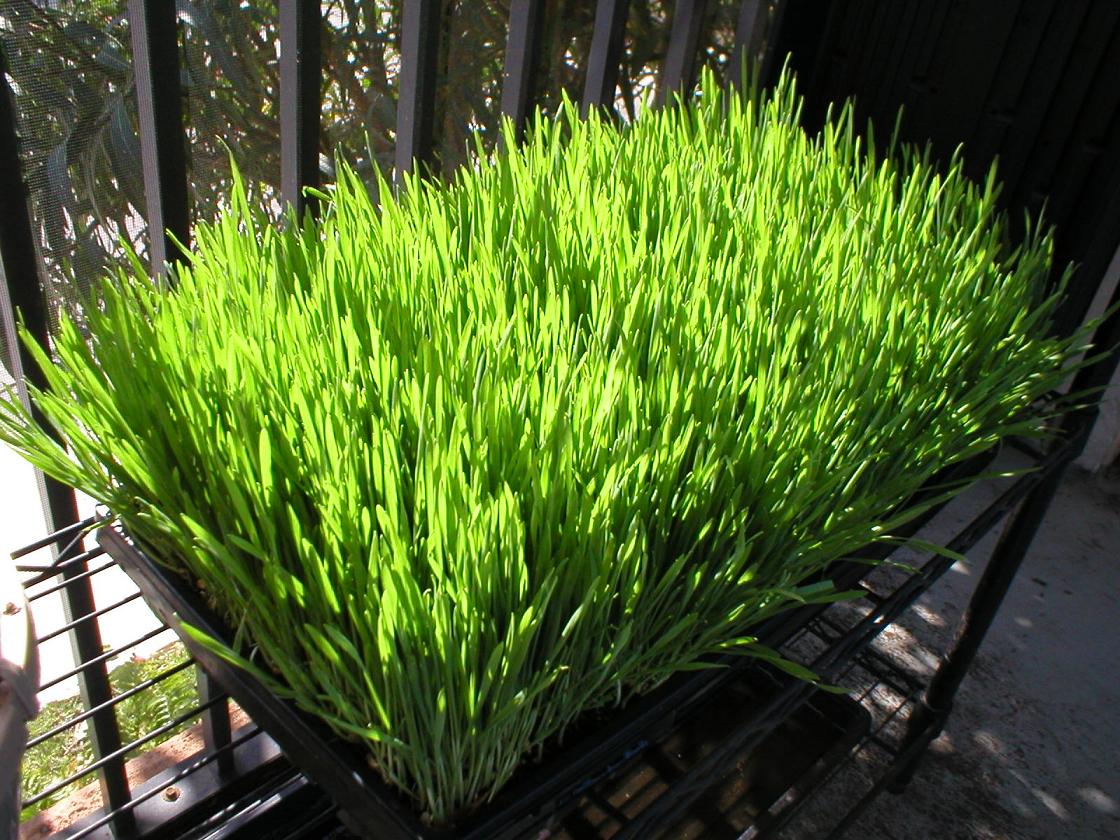
Wheatgrass, the young grass of the wheat plant, has been gaining popularity among health enthusiasts for its numerous health benefits. Packed with vitamins, minerals, and antioxidants, wheatgrass is known to boost immunity, detoxify the body, and promote overall well-being. The good news is that you can easily grow wheatgrass at home and enjoy all these health perks right from your kitchen.
To get started with growing wheatgrass at home, you will need a few basic supplies. First and foremost, you’ll need high-quality organic wheatgrass seeds. These can be found in health food stores or online. Additionally, you’ll need trays or containers for planting the seeds. You can use plastic trays specifically designed for sprouting or any shallow container with drainage holes. Soil or a soilless medium like coco coir will be required as well.
The first step in growing successful wheatgrass is to soak the seeds overnight in water to activate germination. After soaking, spread them evenly on top of moistened soil or coco coir in your chosen tray or container. Make sure not to overcrowd the seeds as they need space to grow properly.
Cover the tray with a lid or plastic wrap to create a greenhouse-like environment that retains moisture while allowing air circulation. Place it in a warm location away from direct sunlight initially until sprouts appear (usually within 2-3 days). Once sprouted, move the tray to an area where it can receive indirect sunlight for around 8-10 hours each day.
Watering is crucial during this growth period; keep the soil consistently moist but avoid overwatering as it may lead to mold formation. Using a spray bottle helps prevent excessive watering and allows for gentle misting of the plants without disturbing their delicate roots.
Within 7-10 days after planting, your wheatgrass should reach an optimal height of around 6 inches when it’s ready for harvesting. To harvest your crop, simply cut the grass just above the soil level using a clean pair of scissors. Rinse the harvested wheatgrass thoroughly before consuming or juicing.
Freshly harvested wheatgrass can be used in a variety of ways. You can juice it to create nutrient-dense shots or incorporate it into smoothies and juices for an added health boost. Some people even use wheatgrass as an ingredient in salads or as a garnish on dishes.
By growing your own wheatgrass at home, you not only have easy access to this nutritional powerhouse but also get the satisfaction of nurturing and harvesting your own crop. So why not give it a try? With minimal effort and care, you’ll soon be reaping the benefits of this vibrant green superfood right from your kitchen counter.

Leave a Reply