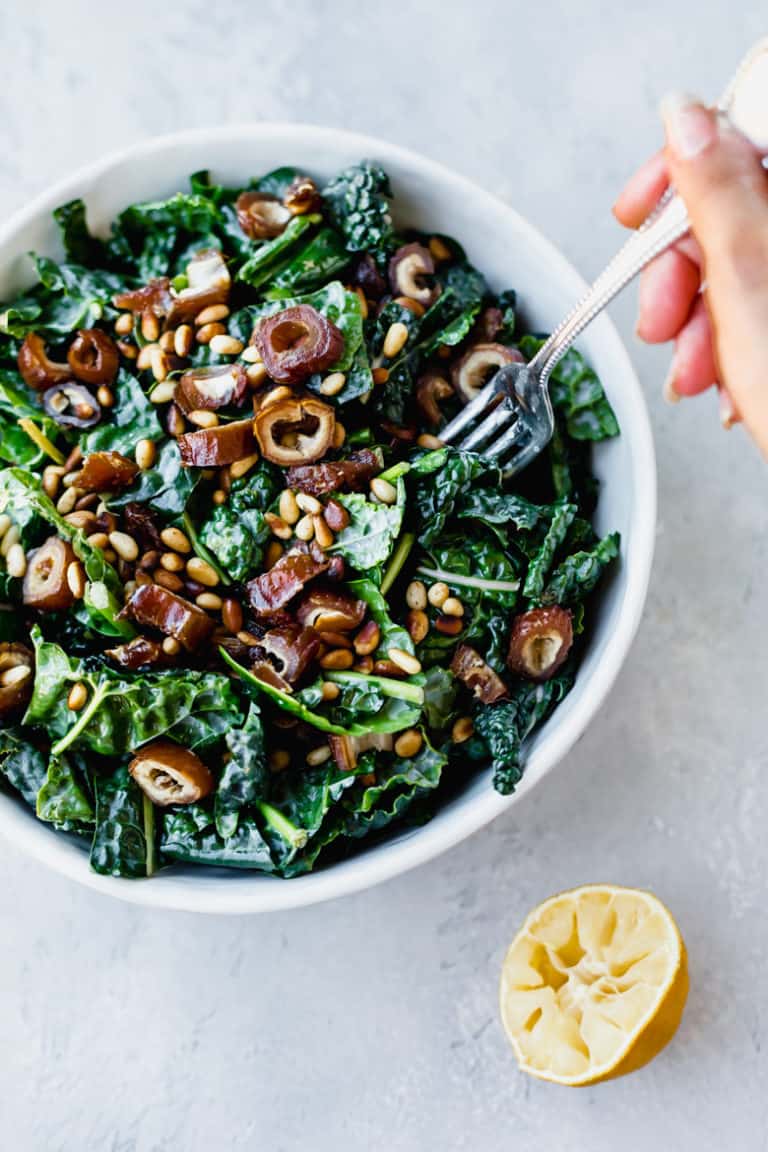
Kale in Mediterranean Cuisine: A Nutritional Powerhouse
When it comes to healthy eating, kale has undoubtedly gained popularity as a nutrient-dense superfood. Packed with an array of vitamins, minerals, and antioxidants, this leafy green has become a staple ingredient in many Mediterranean dishes. Known for its robust flavor and versatility in cooking, kale adds both texture and nutritional value to traditional Mediterranean recipes.
Originating from the eastern Mediterranean region, kale has been cultivated for thousands of years. It was highly regarded by ancient Greeks and Romans due to its medicinal properties. Today, it continues to be celebrated not only for its health benefits but also for its culinary appeal.
One of the reasons why kale is so beloved is because it offers an abundance of nutrients while being low in calories. This makes it an excellent addition to a balanced diet or weight loss plan. Just one cup of raw kale provides more than 100% of the recommended daily intake (RDI) of vitamins A, C, and K.
Vitamin A plays a crucial role in maintaining healthy vision and supporting the immune system. Meanwhile, vitamin C acts as a powerful antioxidant that boosts collagen production and enhances iron absorption. Lastly, vitamin K promotes blood clotting and contributes to bone health.
In addition to these essential vitamins, kale also contains significant amounts of minerals such as calcium, potassium, magnesium, and copper. These minerals are vital for maintaining proper nerve function, regulating blood pressure levels, supporting bone density development,and ensuring optimal heart health.
Moreover,kale is rich in dietary fiber which aids digestion,reduces cholesterol levels,and helps maintain stable blood sugar levels.Its high fiber content also contributes to feelings of fullness,making it beneficial for weight management efforts.
The unique combination of nutrients found in Kale makes it particularly advantageous regarding disease prevention.For instance,the antioxidants present in Kale offer protection against chronic diseases,such as heart disease,cancer,and diabetes.They help neutralize harmful free radicals in the body,minimizing oxidative stress and reducing inflammation.
When it comes to incorporating kale into Mediterranean cuisine, there are countless delicious recipes to explore. Perhaps one of the most iconic dishes is the classic Greek salad, which traditionally includes fresh tomatoes,cucumbers,onions,feta cheese,and olives.Taking this recipe up a notch by adding chopped kale not only provides an extra nutritional boost but also introduces a delightful texture contrast.
Another popular dish that embraces the flavors of both kale and Mediterranean cuisine is Tuscan white bean soup. This hearty and comforting soup combines cannellini beans,tomatoes,onions,and garlic,with an addition of chopped kale during the cooking process.The result is a flavorful and nutrient-packed meal that can be enjoyed on its own or paired with crusty whole-grain bread.
Kale can also be incorporated into traditional Middle Eastern recipes such as tabbouleh—a refreshing parsley salad mixed with bulgur wheat,tomatoes,cucumbers,mint,and lemon juice.Adding finely chopped kale to this vibrant dish adds extra color,nutrition,and a slightly earthy taste.
For those seeking a vegetarian alternative to meat-based dishes,kale can serve as an excellent substitute.Take for example spanakopita,a Greek spinach pie that typically consists of phyllo pastry filled with spinach,feta cheese,and herbs.By substituting spinach with kale,the dish gains additional nutritional value without compromising on flavor or texture.
In conclusion,kale undoubtedly deserves its place at the table when it comes to Mediterranean cuisine.Its remarkable range of health benefits coupled with its unique taste makes it an ideal ingredient for anyone looking to embrace a healthier lifestyle.Whether enjoyed raw in salads,sautéed alongside other vegetables,or incorporated into traditional Mediterranean recipes,kale offers endless possibilities for creating nourishing and satisfying meals. So go ahead—embrace the versatility of kale and savor all it has to offer!

Leave a Reply