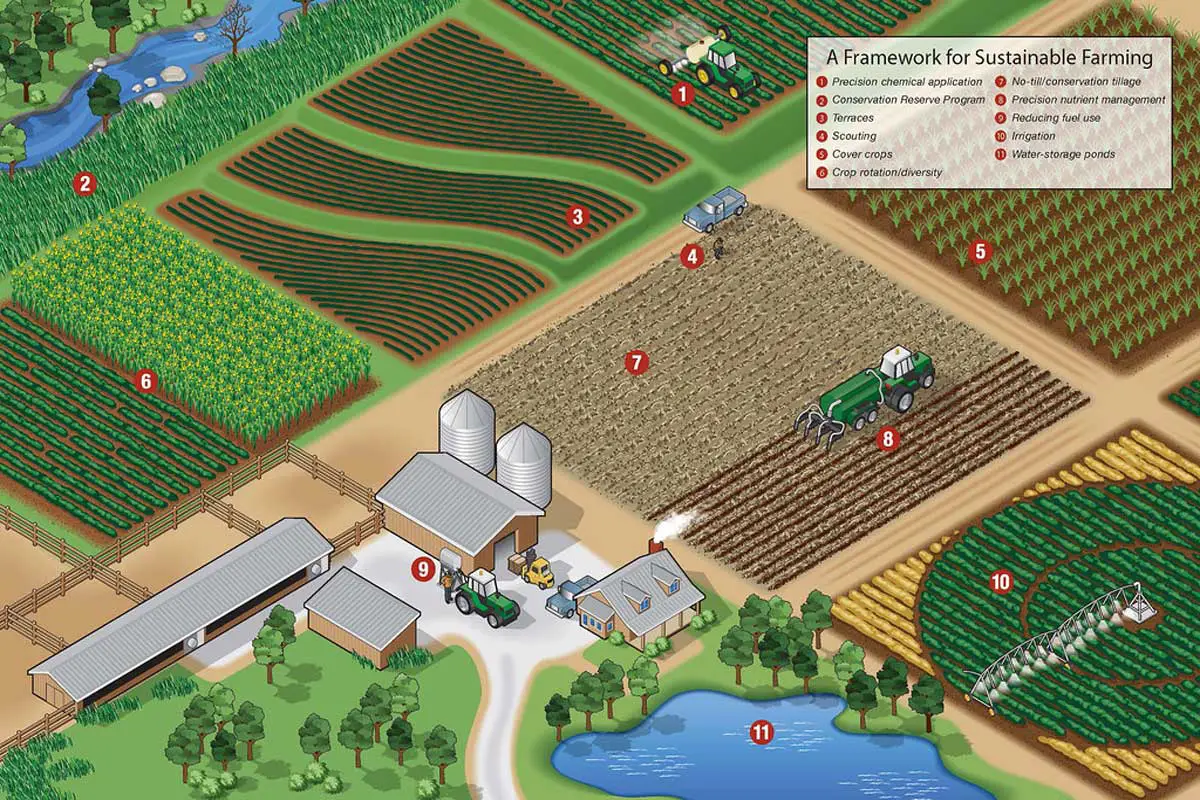
Sustainable Farming Practices in the Plant-Based Industry
As the demand for plant-based products continues to rise, it is essential to ensure that these products are produced sustainably. Sustainable farming practices not only protect our environment but also contribute to the overall health and quality of plant-based foods. In this Q&A style post, we will explore some key aspects of sustainable farming in the plant-based industry.
Q: What exactly does sustainable farming mean?
A: Sustainable farming refers to a set of practices that aim to minimize environmental impact while maintaining or improving crop yield and quality. It involves utilizing resources efficiently, reducing waste, promoting biodiversity, and preserving soil health for long-term productivity.
Q: How do sustainable farming practices benefit the plant-based industry?
A: By adopting sustainable methods, farmers can ensure a consistent supply of high-quality crops used as ingredients in various plant-based products. This not only supports the growing demand for such goods but also ensures their nutritional value remains intact by avoiding harmful chemicals or pesticides commonly found in conventional agriculture.
Q: What are some common sustainable farming techniques used in the plant-based industry?
A: There are several effective techniques employed in sustainable agriculture:
1. Organic farming: Organic agriculture relies on natural fertilizers and biological pest control methods instead of synthetic chemicals like pesticides and herbicides. This approach minimizes water pollution and protects beneficial insects crucial for ecosystem balance.
2. Crop rotation: Crop rotation involves systematically changing crop types grown on a specific field over time. Different plants have varying nutrient requirements; therefore, rotating crops helps maintain soil fertility while minimizing disease outbreaks.
3. Conservation tillage: Instead of plowing fields extensively before planting, conservation tillage aims to disturb soil as little as possible. This practice reduces erosion risks, enhances water retention capacity, promotes organic matter accumulation, and sequesters carbon dioxide from the atmosphere into soils.
4. Integrated Pest Management (IPM): IPM is an eco-friendly approach that combines various pest control methods, including biological controls, pheromone traps, and cultural practices. By targeting specific pests while minimizing harm to beneficial insects, farmers can effectively manage crop pests without relying on harmful chemical sprays.
5. Agroforestry: This practice involves integrating trees with crops or livestock production systems. Trees provide shade, act as windbreaks, prevent soil erosion, and create microclimates conducive to diverse plant growth. Additionally, agroforestry systems promote biodiversity and offer additional income streams for farmers through products like fruits or nuts.
Q: How does sustainable farming contribute to soil health?
A: Sustainable farming practices prioritize the preservation of soil health by promoting organic matter content and microbial activity in the soil. Healthy soils are more resistant to erosion, retain water better during droughts, have improved nutrient cycling capabilities, and sequester carbon dioxide from the atmosphere – mitigating climate change impacts.
Q: Are there any certifications or labels that consumers should look out for when purchasing plant-based products?
A: Yes! Several certifications indicate that a product has been produced using sustainable farming practices:
1. USDA Organic Certification guarantees that crops were grown without synthetic pesticides or genetically modified organisms (GMOs) while adhering to strict standards regarding animal welfare and land management.
2. Fairtrade certification ensures that farmers receive fair prices for their produce while promoting environmentally friendly practices such as reduced pesticide use and protection of natural resources.
3. Rainforest Alliance Certified seal signifies responsible agricultural practices aimed at conserving biodiversity and ensuring sustainable livelihoods for farmers.
4. Non-GMO Project Verified label indicates that a product is free from genetically modified ingredients.
Q: How can consumers support sustainable farming in the plant-based industry?
A: Consumers play a crucial role in driving demand for sustainably produced plant-based products:
1. Choose certified organic products whenever possible.
2. Support local farmers who employ sustainable practices.
3. Reduce food waste by planning meals and consuming leftovers.
4. Grow your own herbs or vegetables at home using organic methods.
5. Stay informed about sustainable farming practices and share this knowledge with others.
By consciously supporting sustainable farming practices, consumers can help create a more environmentally friendly and healthier plant-based industry.
In conclusion, sustainable farming practices are essential to the growth of the plant-based industry. By adopting techniques such as organic farming, crop rotation, conservation tillage, integrated pest management, and agroforestry, farmers can ensure the long-term availability of high-quality crops while minimizing damage to the environment. Consumers also have a role to play in supporting these efforts by choosing certified products and promoting awareness about sustainable agriculture. Together, we can build a more sustainable future for both our planet and our plates.

Leave a Reply