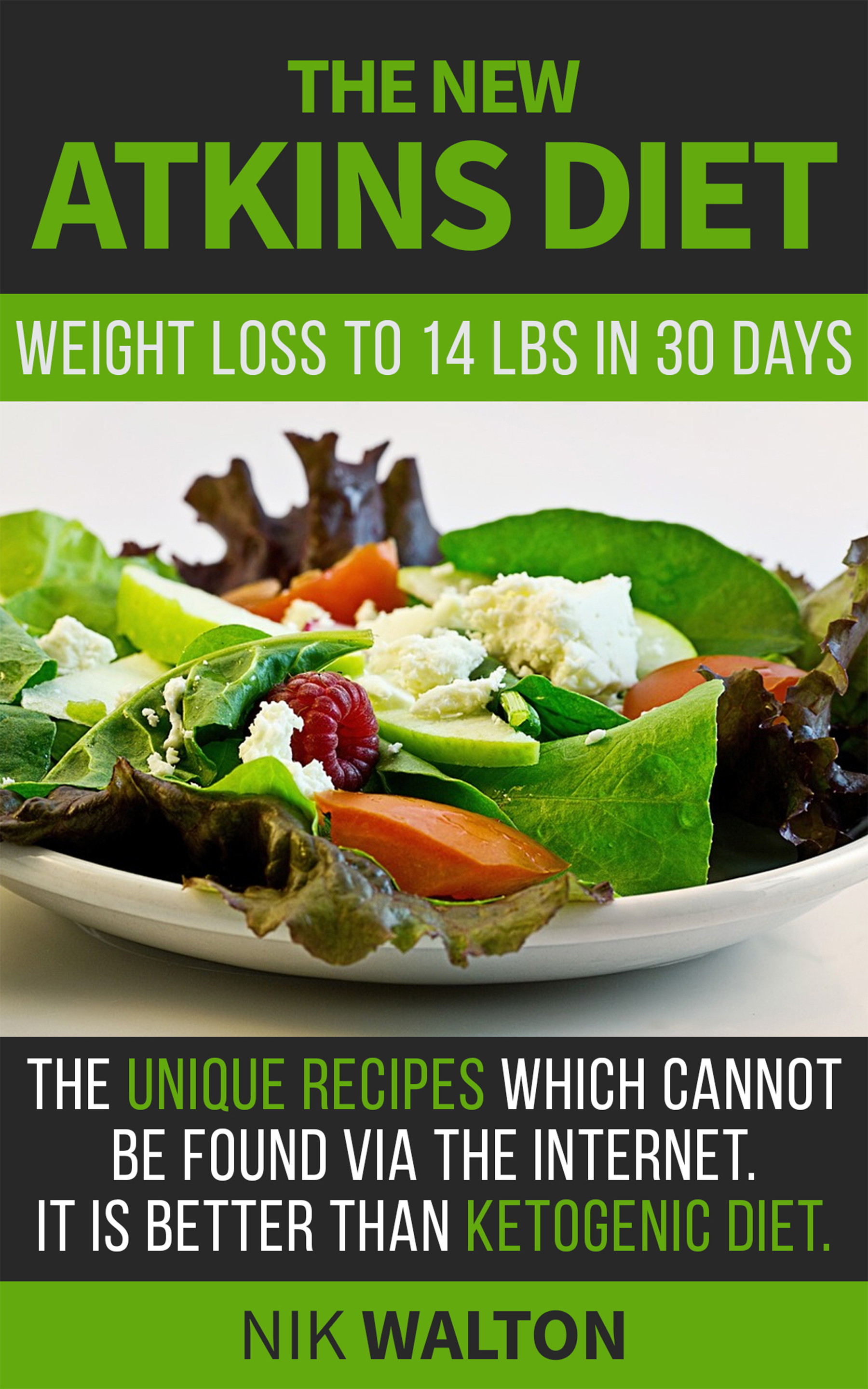
The Atkins diet is a low-carb, high-protein eating plan that has gained popularity over the years for its effectiveness in weight loss and improving overall health. Developed by Dr. Robert C. Atkins, this diet focuses on limiting carbohydrate intake while encouraging the consumption of protein and healthy fats.
One of the main principles of the Atkins diet is to enter a state called ketosis, where your body starts burning stored fat for fuel instead of carbohydrates. By drastically reducing your carb intake, typically to less than 20 grams per day during the initial phase (known as Induction), your body switches from using glucose as its primary energy source to utilizing ketones produced from fat breakdown.
During the Induction phase, you are allowed to consume foods such as meat, fish, poultry, eggs, non-starchy vegetables (like spinach and broccoli), full-fat dairy products, and healthy fats like olive oil and avocados. Foods such as grains, sugar-laden items, starchy vegetables (like potatoes), fruits (except for berries in limited quantities), and legumes are restricted or eliminated altogether.
After completing the Induction phase (which usually lasts two weeks but can be extended depending on individual goals), you gradually increase your carb intake until you find a level where you continue losing weight steadily. This phase is known as Ongoing Weight Loss (OWL). During OWL, you add more variety to your meals by including small portions of nuts/seeds, berries/other fruits with low glycemic impact, certain whole grains like quinoa or brown rice if tolerated well.
The next stage is called Pre-Maintenance or Fine-Tuning when you are getting close to reaching your goal weight. Here you learn how many carbs your body can handle without gaining weight back while also discovering which foods may trigger cravings or slow down progress.
Finally comes Maintenance – an ongoing lifestyle approach where you maintain a healthy balance between carbohydrates from nutrient-dense sources like vegetables, whole grains, and fruits while still being mindful of your weight. Regular exercise is also emphasized in this phase to support overall wellbeing.
The Atkins diet has shown promising results in terms of weight loss, improved blood sugar control, and reduced risk factors for heart disease. However, it’s important to note that like any other diet plan, it may not be suitable for everyone. Individuals with certain medical conditions or those on medications should consult their healthcare provider before starting the Atkins diet.
In conclusion, the Atkins diet offers an alternative approach to weight loss by limiting carbohydrate intake and promoting protein and healthy fats consumption. It can be effective in achieving short-term weight loss goals while providing long-term health benefits when followed correctly. As with any dietary change, it’s crucial to listen to your body’s needs and consult a healthcare professional for personalized advice.

Leave a Reply