Allergy Relief Potential: Your Frequently Asked Questions Answered
Introduction
Allergies are a common occurrence, affecting millions of people worldwide. Symptoms can range from mild to severe and can significantly impact daily life. Many individuals seek relief from allergies through various methods, including medication, lifestyle changes, and natural remedies. In this article, we will address frequently asked questions about allergy relief potential.
1. What are allergies?
Allergies occur when the immune system reacts excessively to substances that are usually harmless, such as pollen, pet dander, or certain foods. This reaction leads to a release of chemicals in the body that cause symptoms like sneezing, itching, watery eyes, or skin rashes.
2. How can I prevent allergy symptoms?
Preventing exposure to allergens is key in reducing allergy symptoms. Here are some tips:
a) Keep your home clean: Regularly vacuum carpets and upholstery to remove dust mites and pet dander. Use hypoallergenic bedding covers to protect against dust mite allergens.
b) Minimize outdoor exposure: Check pollen forecasts before going outside and try to stay indoors during peak pollen times.
c) Practice good hygiene: Wash your hands frequently after coming into contact with potential allergens like pets or plants.
3. Are there any natural remedies for allergy relief?
While natural remedies may not work for everyone, some individuals find them helpful in managing their allergies alongside traditional treatments. Here are a few natural options:
a) Nasal irrigation: Using a saline solution with a neti pot or nasal spray can help rinse out allergens from the nose and relieve congestion.
b) Probiotics: Some studies suggest that probiotics may help reduce allergic reactions by improving gut health and regulating the immune system’s response.
c) Honey: Consuming local honey has been associated with relieving seasonal allergies due to its potential ability to desensitize the body over time.
It’s important to note that natural remedies may have limited scientific evidence in supporting their effectiveness, so it’s best to consult with a healthcare professional before trying them.
4. What over-the-counter medications can help with allergy relief?
Over-the-counter (OTC) medications can provide temporary relief from allergy symptoms. Some common OTC options include:
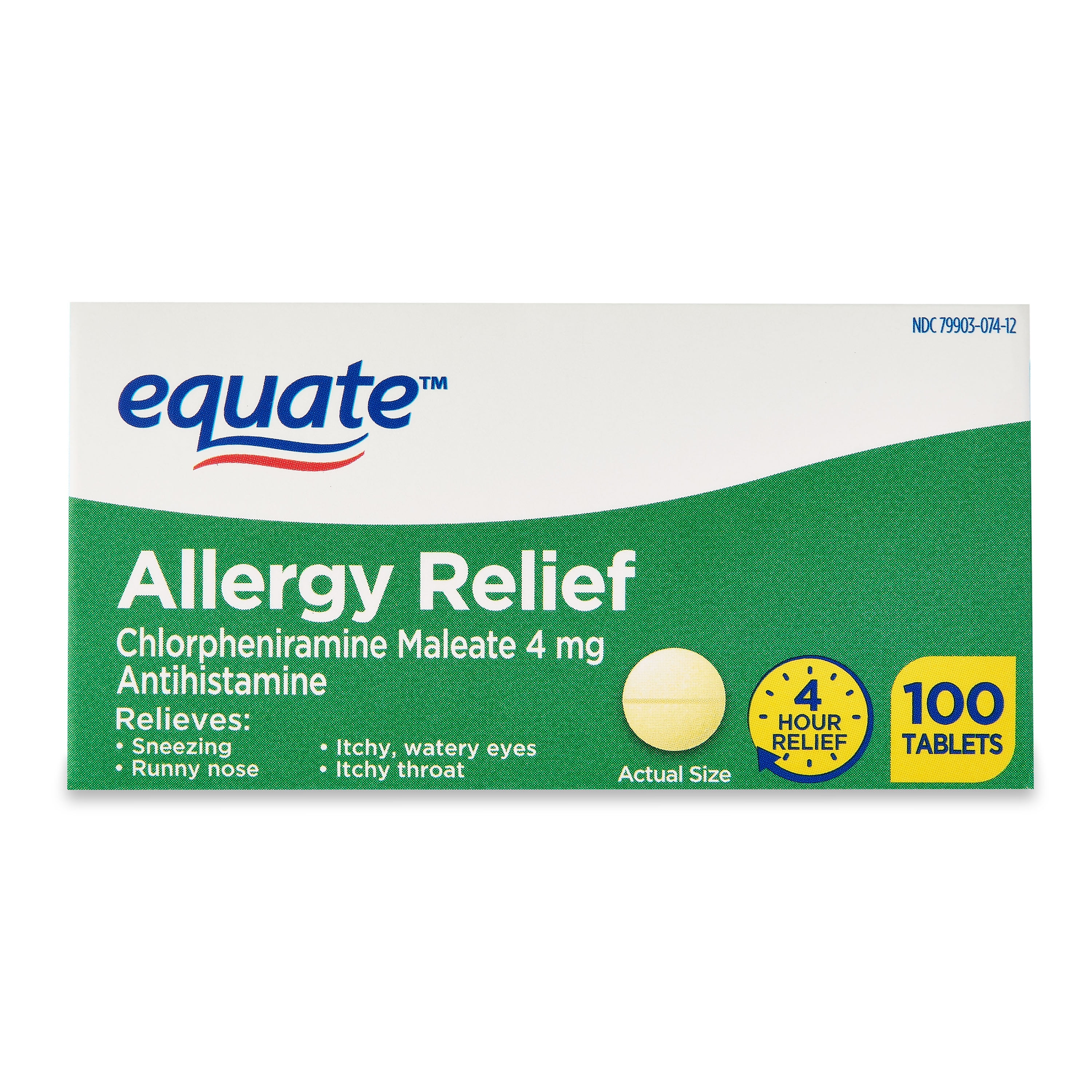
a) Antihistamines: These drugs work by blocking the release of histamine, a chemical responsible for allergic reactions. They can help alleviate sneezing, itching, and runny nose but may cause drowsiness in some individuals.
b) Decongestants: Nasal congestion caused by allergies can be relieved using decongestant sprays or pills. However, these should only be used short-term as prolonged use may worsen symptoms.
c) Steroid nasal sprays: These sprays reduce inflammation and swelling in the nasal passages, providing long-term relief from allergy-related congestion and other symptoms.
5. Can diet affect allergies?
While diet alone cannot cure allergies, certain foods might either trigger or alleviate symptoms for some individuals:
a) Trigger foods: Some people with pollen allergies experience “oral allergy syndrome” when eating certain raw fruits or vegetables due to cross-reactivity between proteins found in pollen and those present in food. For example, birch pollen-allergic individuals may experience an itchy mouth after consuming apples or cherries.
b) Anti-inflammatory foods: Incorporating anti-inflammatory foods like fatty fish (rich in omega-3 fatty acids), leafy greens, berries, turmeric, and ginger into your diet may help reduce overall inflammation associated with allergic responses.
6. Are there any alternative therapies for managing allergies?
Alternative therapies such as acupuncture and chiropractic care have been explored as potential methods for managing allergies. While individual experiences vary widely when it comes to these treatments’ effectiveness, some people report symptom improvement through such approaches. It is essential to discuss these options with qualified practitioners and not rely solely on alternative therapies for severe allergies.
7. When should I consult a healthcare professional?
If your allergy symptoms are interfering with your daily life, it’s recommended to consult a healthcare professional. They can help determine the cause of your allergies and develop an appropriate treatment plan. Additionally, if you experience severe allergic reactions such as difficulty breathing, swelling of the face or throat, or dizziness, seek immediate medical attention as this may indicate anaphylaxis.
In conclusion, managing allergies requires a multi-faceted approach that may include avoiding allergens, using medications for relief, incorporating natural remedies when appropriate, and seeking guidance from healthcare professionals. By combining various strategies tailored to your specific needs and consulting experts in the field, you can find effective allergy relief that improves your overall quality of life.

Leave a Reply