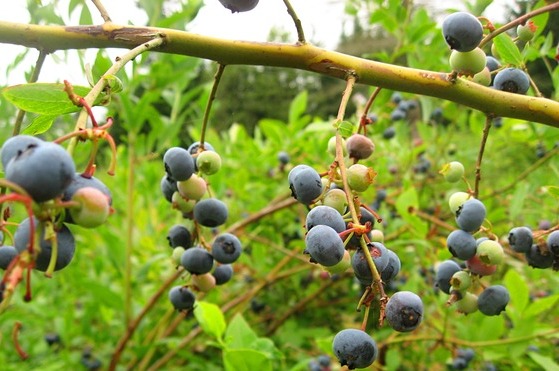
Blueberries are a beloved fruit that have been cultivated for centuries, with a rich history and a wide array of uses beyond the classic blueberry pie or muffin. From their journey through different parts of the world to their impact on various industries, let’s explore the fascinating world of blueberries.
History of Blueberry Cultivation:
The cultivation of blueberries dates back thousands of years. Native to North America, blueberries were an essential part of the diet for many Indigenous communities. They were used as both food and medicine, providing sustenance and healing properties. Early European settlers learned about blueberries from Native Americans and began incorporating them into their own culinary practices.
Blueberry cultivation started in earnest in the early 20th century when Elizabeth Coleman White partnered with botanist Frederick Coville to study wild blueberries and develop techniques for commercial production. Their collaboration led to the successful cultivation of highbush blueberries, which paved the way for large-scale farming and distribution.
Today, major blueberry-producing countries include the United States (particularly Maine), Canada, Chile, and Poland. Blueberries are also grown in Australia, New Zealand, Europe, and some Asian countries.
Lesser-Known Varieties:
While most people are familiar with highbush blueberries commonly found at grocery stores or pick-your-own farms, there are several lesser-known varieties worth exploring. One such variety is lowbush or wild blueberries that grow naturally in fields throughout northern regions. These smaller berries pack intense flavor and are often prized for their unique taste profile.
Another interesting variety is rabbiteye blueberries native to southeastern United States. Rabbiteye berries thrive in warm climates where other varieties struggle; they have a sweet-tart flavor loved by many.
Other less common types include Southern Highbush (a hybrid between highbush and rabbiteye), half-high (crosses between lowbush and highbush), and even pink blueberries, which have a distinct blush color.
Blueberry Desserts Beyond Pies and Muffins:
While blueberry pies and muffins are undeniably delicious, there is an entire world of blueberry desserts waiting to be explored. Blueberry crisp or crumble, made with a buttery oat topping, is a comforting treat that showcases the fruit’s natural sweetness. Blueberry cheesecake adds a creamy element to the mix, while blueberry cobbler boasts a biscuit-like crust.
For those seeking lighter options, blueberry parfait or trifle layered with yogurt or whipped cream provides a refreshing twist. Blueberries can also be used in ice creams, sorbets, and gelatos for a cool summer treat.
Blueberry-Infused Beverages and Cocktails:
Blueberries lend themselves well to infusions in both non-alcoholic and alcoholic beverages. Try muddling fresh berries into lemonade or iced tea for a burst of flavor. For adults looking for something stronger, try incorporating blueberries into cocktails like mojitos or martinis.
Blueberries can also be used to make homemade syrups that add depth of flavor to drinks. Simply simmer them with water and sugar until they break down into syrupy goodness. Add this syrup to sparkling water for a refreshing mocktail or drizzle it over pancakes for breakfast indulgence.
Blueberry Face Masks for Skincare:
Beyond their culinary uses, blueberries offer benefits when applied topically as well. Rich in antioxidants and vitamins A and C, they help promote healthy skin by fighting free radicals that contribute to aging.
To create your own DIY face mask at home, mash fresh blueberries with honey (another natural skincare powerhouse) until you have a smooth paste. Apply this mixture onto your face, leave it on for about 10 minutes before rinsing off gently with warm water. This mask will leave your skin feeling nourished and rejuvenated.
Blueberries as a Natural Dye for Fabrics:
Did you know that blueberries can be used as a natural dye for fabrics? The deep purple-blue hue of blueberries can create stunning, earthy tones on textiles. Extracting the dye from blueberries is a simple process: simmer the berries in water until they release their color, strain out the solids, and dip your fabric into the resulting liquid. Experiment with different techniques like tie-dye or shibori to create unique patterns.
The Impact of Climate Change on Blueberry Production:
Climate change poses significant challenges to blueberry production. Blueberries require specific temperature ranges during their growth cycle, making them sensitive to shifts in climate patterns. Rising temperatures, extreme weather events, and changing precipitation patterns can impact crop yields and quality.
In recent years, some blueberry-growing regions have experienced unseasonably warm winters or unexpected frosts that damage plants or disrupt pollination cycles. Farmers are adapting by implementing new technologies and practices to mitigate these risks and ensure sustainable production.
Blueberries in Traditional Medicine Practices:
Throughout history, blueberries have been valued not only for their delicious taste but also for their medicinal properties. Indigenous communities recognized their healing potential early on and used them to treat various ailments such as gastrointestinal issues, urinary tract infections, and eye conditions.
In traditional medicine practices like Ayurveda or Traditional Chinese Medicine (TCM), dried blueberries are often incorporated into herbal formulations due to their antioxidant content and anti-inflammatory properties.
While modern scientific research has not extensively studied these traditional uses yet, ongoing studies continue to explore the potential health benefits of consuming blueberries regularly.
Conclusion:
From its rich history rooted in indigenous traditions to its versatile applications across various industries today—culinary arts, skincare products, natural dyes—the humble blueberry continues to captivate our imagination. Whether enjoyed fresh off the bush or incorporated into desserts or beverages, this small but mighty fruit offers a wealth of flavor and potential for exploration. So, the next time you reach for some blueberries, consider all the possibilities they hold beyond the familiar pie or muffin!

Leave a Reply