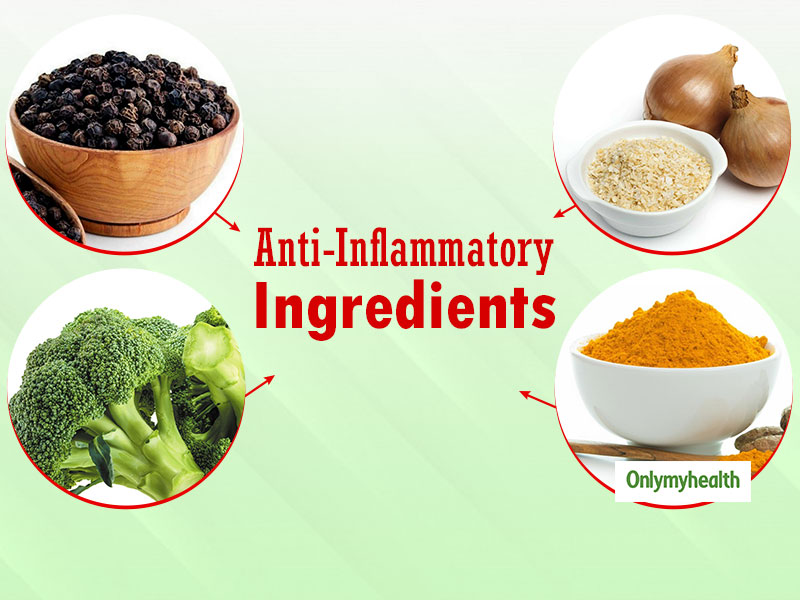
Inflammation is a natural response of our immune system to protect the body from injury and infection. However, chronic inflammation can lead to various health issues including heart disease, diabetes, arthritis, and even cancer. While there are medications available to help manage inflammation, incorporating anti-inflammatory ingredients into your diet can play a significant role in reducing chronic inflammation and promoting overall health.
Here are some powerful anti-inflammatory ingredients that you should consider adding to your meals:
1. Turmeric: Known for its vibrant yellow color and distinctive flavor, turmeric contains an active compound called curcumin. Curcumin has been extensively studied for its potent anti-inflammatory properties. It inhibits the production of certain enzymes involved in the inflammatory process and reduces the levels of pro-inflammatory substances in the body. Turmeric can be added to curries, soups, smoothies or taken as a supplement.
2. Ginger: This aromatic root has been used for centuries in traditional medicine for its healing properties. Ginger contains compounds called gingerols which possess strong anti-inflammatory effects similar to non-steroidal anti-inflammatory drugs (NSAIDs). It inhibits certain inflammatory pathways in the body and helps alleviate pain associated with inflammation. You can add fresh ginger slices to teas, stir-fries or use powdered ginger in baking recipes.
3. Berries: Blueberries, strawberries, raspberries – these colorful fruits are not only delicious but also packed with antioxidants that fight off free radicals causing oxidative stress and inflammation within the body. Several studies have shown that regular consumption of berries can reduce markers of inflammation such as C-reactive protein (CRP) levels.
4. Fatty Fish: Salmon, mackerel, sardines – these cold-water fish are rich sources of omega-3 fatty acids EPA (eicosapentaenoic acid) and DHA (docosahexaenoic acid), both known for their potent anti-inflammatory properties. Omega-3 fatty acids help suppress the production of inflammatory substances and can reduce the risk of chronic diseases such as heart disease and arthritis. Aim to include fatty fish in your diet at least twice a week.
5. Leafy Greens: Spinach, kale, Swiss chard – these dark leafy greens are nutritional powerhouses packed with antioxidants, vitamins (A, C, E), minerals (calcium, magnesium), and fiber. They also contain compounds like quercetin and kaempferol that possess anti-inflammatory properties. Regular consumption of leafy greens has been associated with reduced inflammation markers.
6. Olive Oil: A staple in Mediterranean cuisine, extra virgin olive oil is not only delicious but also boasts numerous health benefits including its anti-inflammatory effects. The monounsaturated fats present in olive oil have been shown to reduce inflammation by decreasing levels of certain inflammatory markers in the body. Use it as a dressing for salads or as a cooking oil.
7. Nuts and Seeds: Almonds, walnuts, flaxseeds – these crunchy delights are rich sources of healthy fats like omega-3 fatty acids and vitamin E which possess potent anti-inflammatory properties. Including a handful of nuts or seeds in your daily diet can provide you with essential nutrients while helping combat inflammation.
8. Green Tea: Known for its abundance of polyphenols and catechins, green tea has been consumed for centuries due to its potential health benefits including reducing inflammation within the body. Studies have shown that drinking green tea regularly can lower levels of inflammatory markers such as interleukin-6 (IL-6) and tumor necrosis factor-alpha (TNF-alpha).
9. Garlic: This pungent bulb not only adds flavor to dishes but also contains sulfur compounds like allicin which exhibit strong anti-inflammatory effects on the body’s immune system pathways. Incorporating garlic into your meals may help reduce inflammation-related symptoms.
10.Cocoa: Good news for chocolate lovers! Cocoa, especially dark chocolate with a high cocoa content, contains flavonoids that possess anti-inflammatory properties. These compounds have been shown to decrease markers of inflammation and improve overall heart health. Enjoy a small piece of dark chocolate as an occasional treat.
While incorporating these ingredients into your diet can help in reducing inflammation, it is important to remember that they should be part of a well-balanced and varied diet. It’s always best to consult with a healthcare professional or registered dietitian before making any major changes to your diet.
In conclusion, adopting an anti-inflammatory diet rich in turmeric, ginger, berries, fatty fish, leafy greens, olive oil, nuts and seeds, green tea, garlic and cocoa can contribute to reduced chronic inflammation levels within the body. By choosing whole foods with natural anti-inflammatory properties over processed foods high in trans fats and sugars, you can promote better overall health and well-being.

Leave a Reply