Portion Control for Athletes: Fueling Your Performance
Introduction:
As an athlete, your diet plays a crucial role in optimizing your performance and recovery. While it’s important to focus on consuming nutrient-dense foods, the quantity of food you eat is equally significant. Portion control ensures that you are providing your body with the right amount of fuel without overindulging or undernourishing yourself.
In this article, we will explore the importance of portion control for athletes and provide practical tips to help you achieve optimal portions for different macronutrients.
Understanding Portion Control:
Portion control refers to managing the quantity of food consumed during meals and snacks. It involves being mindful of serving sizes and adjusting them according to individual needs. By practicing portion control, athletes can avoid excessive calorie intake while still meeting their nutritional requirements.
The Benefits of Portion Control:
1. Maintaining Energy Balance: Consuming appropriate portions helps maintain energy balance by ensuring that calorie intake matches expenditure. This is particularly important for athletes who need enough energy to fuel their workouts and support recovery.
2. Weight Management: For athletes looking to manage their weight or optimize body composition, portion control is essential. By moderating food quantities, individuals can prevent overeating and maintain a healthy weight range suitable for their sport.
3. Nutrient Timing: Properly controlling your portion sizes allows you to better time when you consume certain nutrients such as carbohydrates and protein around training sessions or competitions. This improves performance and aids in recovery.
4. Digestive Health: Overeating can lead to digestive discomfort during exercise, affecting athletic performance negatively. Appropriate portion sizes prevent gastrointestinal issues such as bloating, cramping, or reflux that might interfere with training or competition.
Strategies for Effective Portion Control:
1. Understand Serving Sizes:
Familiarize yourself with recommended serving sizes by referring to nutrition labels or using online resources like USDA’s MyPlate guidelines (choosemyplate.gov). These guidelines provide general recommendations for different food groups and can serve as a starting point to help you understand what constitutes one serving.
2. Use Measuring Tools:
Invest in measuring cups, spoons, and a kitchen scale to accurately measure portions. This practice helps gauge the right amount of food, especially when learning about appropriate serving sizes.
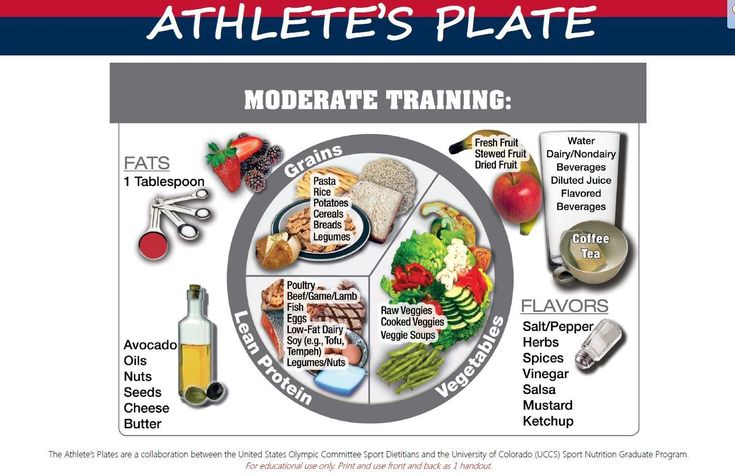
3. Fill Your Plate Mindfully:
When filling your plate, aim to include a variety of nutrient-dense foods from all food groups. Visualize your plate divided into sections: half filled with colorful fruits and vegetables, a quarter with lean protein sources (e.g., chicken breast or tofu), and the remaining quarter with whole grains or starchy vegetables (e.g., quinoa or sweet potatoes).
4. Practice the Hand Method:
Another practical way to estimate portion sizes is by using your hand as a guide:
– Protein Portion: A palm-sized portion of lean protein (chicken, fish) is suitable for most athletes.
– Carbohydrate Portion: Cupping your hand represents an appropriate size for uncooked grains like rice or pasta.
– Fat Portion: The tip of your thumb resembles an individual serving size of healthy fats like nuts or oils.
– Vegetable Portion: Two handfuls represent the recommended amount of non-starchy vegetables like leafy greens or broccoli.
5. Be Mindful at Restaurants:
Eating out doesn’t mean you have to abandon portion control. When dining out, consider sharing meals with others or asking for half portions if available. Alternatively, pack leftovers to take home rather than consuming oversized restaurant servings in one sitting.
6. Plan Ahead and Meal Prep:
Preparing meals in advance allows you to have more control over portion sizes while ensuring balanced nutrition throughout the day. Invest time in planning meals that align with your training schedule and goals.
7. Listen to Your Body’s Hunger Cues:
While it’s crucial to meet your nutritional needs, it’s equally important to listen to your body’s hunger and fullness cues. Pay attention to feelings of satisfaction during and after meals, stopping when you feel comfortably satiated.
Conclusion:
Portion control is a valuable skill for athletes, allowing them to optimize their performance and maintain overall health. By understanding portion sizes and implementing practical strategies like using measuring tools or practicing the hand method, athletes can fuel their bodies effectively without overeating or undernourishing themselves.
Remember that portion control should be tailored to individual needs, taking into account factors such as training intensity, sport type, and goals. Consulting a registered dietitian who specializes in sports nutrition can provide personalized guidance on portion sizes specific to your athletic endeavors.
By prioritizing portion control alongside nutrient-dense food choices, athletes can ensure they are providing their bodies with the right amount of fuel for optimal performance both on and off the field.

Leave a Reply