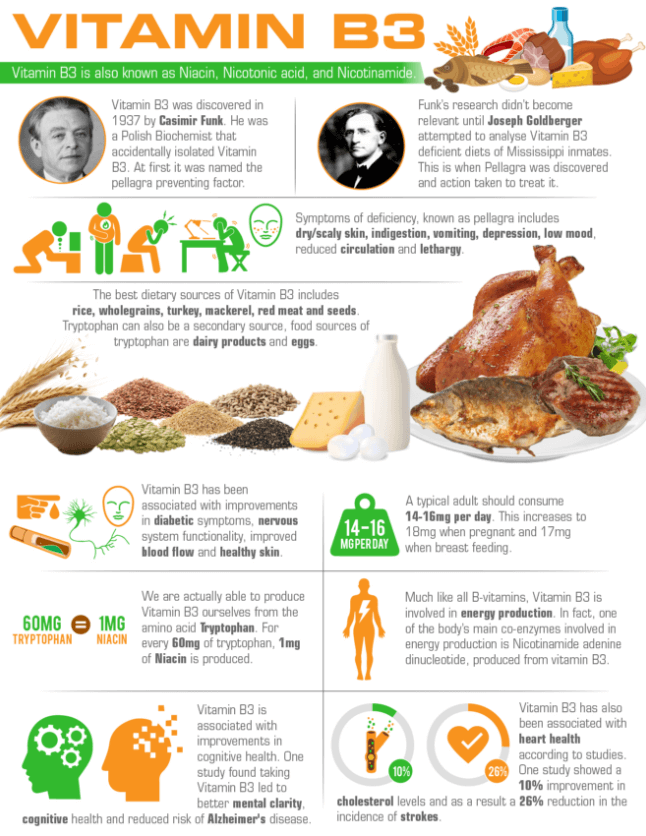
Niacin, also known as Vitamin B3, is an essential nutrient that plays a crucial role in maintaining good health. It is part of the B-vitamin family and is water-soluble, meaning it dissolves in water and cannot be stored in the body. Therefore, it is important to include niacin-rich foods in your diet regularly. In this article, we will explore the benefits of niacin and how you can incorporate it into your healthy eating plan.
One of the primary functions of niacin is its role in energy metabolism. It helps convert carbohydrates from our food into glucose, which provides energy for our cells. This process also supports proper brain function and cognitive performance.
Additionally, niacin aids in the production of various enzymes involved in cellular functioning. These enzymes are responsible for DNA repair and synthesis as well as hormone regulation. Niacin also contributes to healthy skin by promoting cell turnover and maintaining moisture levels.
Furthermore, niacin has been shown to have a positive impact on cholesterol levels. It helps increase HDL (good) cholesterol while reducing LDL (bad) cholesterol and triglycerides. By doing so, it reduces the risk of heart disease and stroke.
Research suggests that niacin may also have potential benefits for managing diabetes. It improves insulin sensitivity by enhancing glucose tolerance and reducing fasting blood sugar levels. However, more studies are needed to fully understand its effects on diabetes management.
Another remarkable benefit of niacin is its ability to support brain health. Adequate intake of this vitamin has been associated with a reduced risk of age-related cognitive decline such as dementia and Alzheimer’s disease. Niacin’s antioxidant properties help protect brain cells from oxidative stress caused by free radicals.
Moreover, some studies suggest that niacin supplementation may alleviate symptoms associated with certain mental health disorders such as schizophrenia or depression when used alongside traditional treatments like medication or therapy sessions.
Now that we understand the many benefits offered by niacin, it’s important to know how to incorporate it into our diets. The recommended daily intake of niacin for adults is around 14-16 milligrams per day for women and 16-18 milligrams per day for men. However, individual needs may vary depending on age, gender, health conditions, and activity levels.
Niacin can be obtained from both animal and plant sources. Animal-based foods like poultry, fish (such as tuna and salmon), pork, and beef liver are excellent sources of niacin. Eggs also contain a good amount of this vitamin.
For vegetarians or vegans, there are plenty of plant-based options available as well. Legumes such as lentils, chickpeas, and beans provide a significant amount of niacin. Whole grains like brown rice and quinoa are also rich in this essential nutrient. Additionally, nuts and seeds such as peanuts, sunflower seeds, almonds, and walnuts can contribute to your niacin intake.
Fortified breakfast cereals are another convenient way to ensure you’re meeting your daily niacin requirements. They often contain added vitamins including B3.
While these food sources can help you meet your niacin needs naturally through diet alone in most cases, some individuals may consider taking supplements under certain circumstances or with the guidance of a healthcare professional.
It is worth noting that excessive amounts of niacin from supplements may cause adverse effects such as flushing (a warm sensation accompanied by redness) or even liver damage in extreme cases. Therefore it’s crucial to follow recommended dosages if opting for supplementation.
In conclusion, incorporating adequate amounts of Vitamin B3 or niacin into your healthy eating plan has numerous benefits for overall well-being. From supporting energy metabolism and brain health to improving cholesterol levels and potentially managing diabetes symptoms – the advantages are extensive! By including various animal-based products or plant-based alternatives in your diet regularly while maintaining balance with other necessary nutrients – you can ensure you’re reaping the benefits of niacin while enjoying a healthy lifestyle.

Leave a Reply