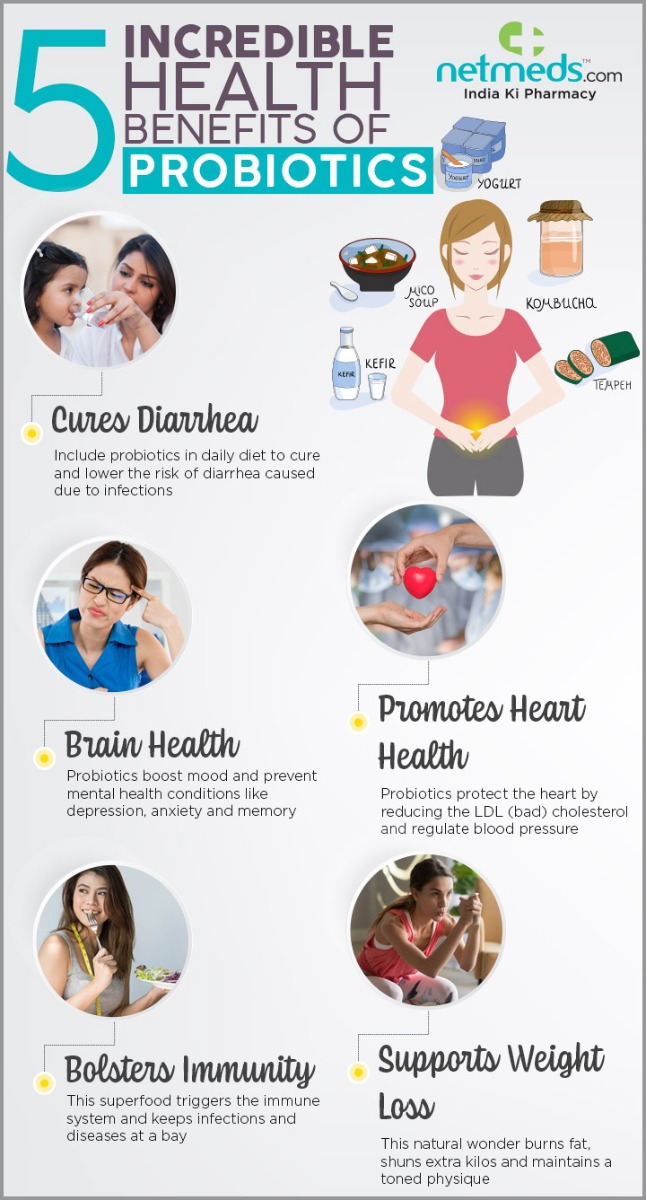
Probiotics have gained significant attention in recent years for their potential health benefits. These live bacteria and yeasts, often referred to as “good” or “friendly” bacteria, can provide numerous advantages when consumed regularly. From improving gut health to supporting immune function, probiotics have been extensively studied for their positive effects on various aspects of our well-being.
1. Probiotics and Gut Health in Children:
Maintaining a healthy gut is crucial for children’s overall health and development. Probiotics play a vital role in promoting a balanced gut microbiome, which is essential for proper digestion, absorption of nutrients, and immune function. Studies suggest that probiotic supplementation can help alleviate digestive issues such as diarrhea, constipation, and colic in infants and young children.
2. The Role of Probiotics in Reducing Food Allergies:
Food allergies have become increasingly prevalent among children worldwide. Emerging research suggests that early exposure to certain strains of probiotics may reduce the risk of developing food allergies by strengthening the immune system’s tolerance towards specific allergens.
3. Probiotics for Managing Irritable Bowel Syndrome (IBS):
Irritable bowel syndrome (IBS) is a common gastrointestinal disorder characterized by symptoms like abdominal pain, bloating, and changes in bowel habits. Several studies indicate that certain strains of probiotics can help alleviate IBS symptoms by restoring the balance of intestinal bacteria and reducing inflammation.
4. Probiotics and Their Impact on Mental Health:
The connection between gut health and mental well-being has gained considerable attention in recent years. Research suggests that maintaining a healthy gut microbiome through regular consumption of probiotics may positively influence brain function and improve mood disorders such as depression and anxiety.
5.Probiotics And Weight Management
While diet and exercise remain key factors in weight management, emerging evidence suggests that an imbalanced gut microbiota may contribute to obesity-related issues. Some studies indicate that certain strains of probiotics can help regulate appetite, reduce fat absorption, and promote weight loss.
6. Probiotics for Improving Skin Health:
The skin is the largest organ in our body and acts as a barrier against external threats. Imbalances in gut bacteria have been linked to various skin conditions such as acne, eczema, and psoriasis. Research suggests that specific strains of probiotics may improve skin health by reducing inflammation and enhancing the skin’s natural defenses.
7. The Benefits of Probiotics during Pregnancy and Breastfeeding:
During pregnancy, a woman’s immune system undergoes significant changes to accommodate the growing fetus. Probiotics consumed during pregnancy and breastfeeding may support maternal immune function and potentially reduce the risk of allergic diseases in infants.
8. Probiotics and Their Effect on Cholesterol Levels:
High cholesterol levels are a significant risk factor for cardiovascular disease. Some studies show that certain strains of probiotics can help lower total cholesterol as well as “bad” LDL cholesterol levels while increasing “good” HDL cholesterol levels.
9.Probiotics for Preventing Urinary Tract Infections (UTIs):
Urinary tract infections (UTIs) are common bacterial infections, particularly among women. Evidence suggests that specific strains of probiotics can inhibit the growth of harmful bacteria in the urinary tract, reducing the risk of UTIs.
10.The Link between Probiotics and Oral Health:
Oral health is essential not only for maintaining healthy teeth but also for overall well-being. Studies suggest that certain strains of probiotics can help prevent dental caries (cavities), gum disease, bad breath, and oral infections by inhibiting the growth of harmful bacteria in the oral cavity.
11.Probiotics for Managing Lactose Intolerance:
Lactose intolerance occurs when an individual lacks adequate lactase enzyme to digest lactose found in dairy products fully. Certain probiotic strains have shown potential in aiding lactose digestion and reducing symptoms such as bloating, gas, and diarrhea in lactose-intolerant individuals.
12.Probiotics and Their Potential Anti-inflammatory Properties:
Chronic inflammation is associated with numerous health conditions, including autoimmune diseases, cardiovascular disease, and certain types of cancer. Evidence suggests that select probiotic strains may help reduce inflammation by modulating the immune response and promoting a healthy gut environment.
13.The Role of Probiotics in Supporting Immune Function:
A robust immune system is vital for fighting off infections and maintaining overall health. Probiotics can enhance the body’s natural defenses by stimulating the production of protective antibodies, enhancing white blood cell activity, and promoting a balanced gut microbiota.
14.Probiotic Strains Specifically Beneficial for Women’s Health:
Certain probiotic strains offer unique benefits to women’s health. They can help prevent vaginal yeast infections, urinary tract infections (UTIs), bacterial vaginosis (BV), and support a healthy balance of vaginal flora.
15.The Impact of Probiotics on Athletic Performance:
Athletes often face challenges related to exercise-induced stress and increased susceptibility to infections. Preliminary research suggests that specific probiotics may improve athletic performance by reducing exercise-induced inflammation, supporting recovery processes, and boosting immune function.
16.Probiotics for Promoting Healthy Aging:
As we age, our gut microbiome undergoes changes that can affect digestive health and overall well-being. Probiotic supplementation among older adults has shown potential in improving digestion, reducing the risk of age-related diseases like osteoporosis or cognitive decline.
17.The Use of Probiotics in Managing Inflammatory Bowel Disease (IBD):
Inflammatory bowel disease (IBD) encompasses conditions such as Crohn’s disease and ulcerative colitis characterized by chronic inflammation in the gastrointestinal tract. While not curative, studies suggest that certain probiotic strains may help alleviate symptoms associated with IBD by modulating intestinal inflammation.
18.The Relationship between Probiotics and Diabetes Management:
Emerging evidence suggests that maintaining a healthy gut microbiome through probiotic consumption may positively impact blood sugar control and insulin sensitivity, potentially reducing the risk of developing type 2 diabetes or aiding in its management.
19.Probiotic Supplementation during Antibiotic Treatment:
Antibiotics are known to disrupt the balance of gut bacteria, often leading to digestive issues such as diarrhea. Taking probiotics alongside antibiotics can help restore beneficial bacteria, reduce antibiotic-associated diarrhea, and support overall gut health.
20.The Effects of Probiotics on Liver Health:
The liver plays a crucial role in detoxification processes within the body. Research suggests that certain strains of probiotics may improve liver function by reducing inflammation, enhancing antioxidant activity, and supporting optimal bile production.
21.Probiotics for Reducing Symptoms of Eczema:
Eczema is a chronic inflammatory skin condition characterized by dryness, itching, and rash. Evidence suggests that specific probiotic strains may alleviate eczema symptoms by modulating immune response and improving skin barrier function.
22.Probiotic Strains Beneficial for Heart Health:
Heart disease remains one of the leading causes of death worldwide. Some studies suggest that select strains of probiotics can help lower blood pressure levels, reduce LDL cholesterol oxidation, and decrease markers of inflammation associated with cardiovascular disease risk.
23.Probiotic-rich Foods beyond Yogurt and Fermented Products:
While yogurt and fermented foods like sauerkraut are commonly associated with probiotic intake, various other foods offer natural sources of these beneficial microorganisms. These include kefir (a fermented milk drink), kimchi (Korean fermented vegetables), miso soup (fermented soybean paste), tempeh (fermented soy product), kombucha tea (fermented tea), among others.
24.Probiotic Supplements vs Naturally Occurring Probiotics:
Probiotics can be obtained through both supplements and naturally occurring sources. While supplements provide convenient and standardized doses, natural sources like fermented foods offer a broader range of probiotics along with other beneficial nutrients.
25.The Impact of Cooking Methods on the Viability of Probiotics:
Probiotics are living microorganisms that can be affected by various factors, including heat exposure during cooking. While some strains may be more sensitive to heat, others can withstand certain cooking methods while retaining their viability. For instance, shorter cooking times at moderate temperatures might preserve probiotic content better than prolonged high-heat cooking.
Incorporating probiotics into your daily routine may offer numerous health benefits across various aspects of well-being. However, it is important to note that individual responses to probiotic supplementation may vary. Consultation with a healthcare professional is recommended before starting any new dietary regimen or supplementation protocol.

Leave a Reply