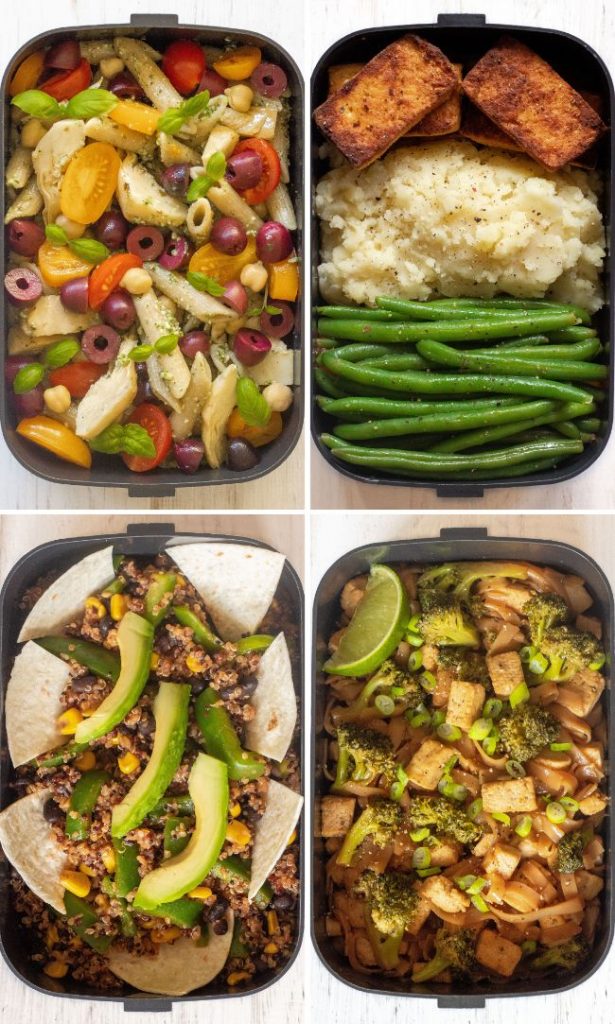
Vegan Meal Prep: A Guide to Healthy and Sustainable Eating
In recent years, veganism has gained significant popularity as more people adopt a plant-based lifestyle. Whether driven by ethical concerns, environmental awareness, or health reasons, the demand for vegan meal options has skyrocketed. However, one challenge that many individuals face when transitioning to a vegan diet is finding delicious and convenient meals on a regular basis. This is where vegan meal prep comes in.
Meal prepping involves preparing your meals in advance so that you have healthy and nutritious options readily available throughout the week. It not only saves time but also helps you make healthier choices by eliminating impulsive decisions when hunger strikes. With some planning and organization, you can easily incorporate vegan meal prep into your routine.
1. Plan Ahead: Start by creating a weekly meal plan outlining what dishes you want to prepare each day. Take into consideration your dietary needs and preferences while ensuring a balance of nutrients.
2. Batch Cooking: One of the key aspects of successful meal prep is batch cooking – making larger quantities of food that can be portioned out for multiple meals during the week. This saves time and allows for variety in your daily menu.
3. Choose Nutrient-Dense Foods: To ensure you’re getting all the essential nutrients on a vegan diet, focus on incorporating nutrient-dense foods such as legumes (beans, lentils), whole grains (quinoa, brown rice), fruits, vegetables, nuts, and seeds into your meals.
4. Get Creative with Flavors: Experiment with different herbs and spices to add flavor to your dishes without relying heavily on salt or unhealthy fats.
5. Mix Up Your Proteins: Include various protein sources like tofu, tempeh, seitan, chickpeas or other beans to meet your protein requirements while keeping things interesting.
6. Preparing Staples: Spend some time prepping staples like homemade sauces (such as tomato sauce or cashew cheese sauce), hummus, or salad dressings that can be used as a base for different meals.
7. Portion Control: Use portion-sized containers to divide your meals into appropriate serving sizes. This helps you keep track of your calorie intake and ensures that you’re eating balanced meals.
8. Freezing Options: Some recipes lend themselves well to freezing, allowing you to prepare larger quantities and have them on hand for future weeks when time is tight.
9. Prepping Snacks: Don’t forget about snacks! Prepare some energy balls, granola bars, or cut up fresh fruits and veggies for quick and healthy snacking options throughout the day.
10. Invest in Storage Containers: Having good quality storage containers that are leak-proof and microwave-safe will make it easier to store and transport your prepped meals.
11. Stay Organized: Label your containers with the name of the dish and the date it was prepared so that you know what’s inside and its freshness.
12. Enjoy Variety: To prevent meal boredom, aim for a variety of flavors, textures, colors, and cooking methods throughout the week. Try new recipes or modify old favorites by swapping out ingredients for a vegan alternative.
By incorporating these tips into your routine, vegan meal prep becomes an enjoyable process rather than a tedious one. Not only does it save time during busy weekdays but also promotes healthier choices by ensuring nutritious plant-based options are readily available at all times. With proper planning and organization, vegan meal prep can help you stay on track with your health goals while embracing a sustainable lifestyle.

Leave a Reply