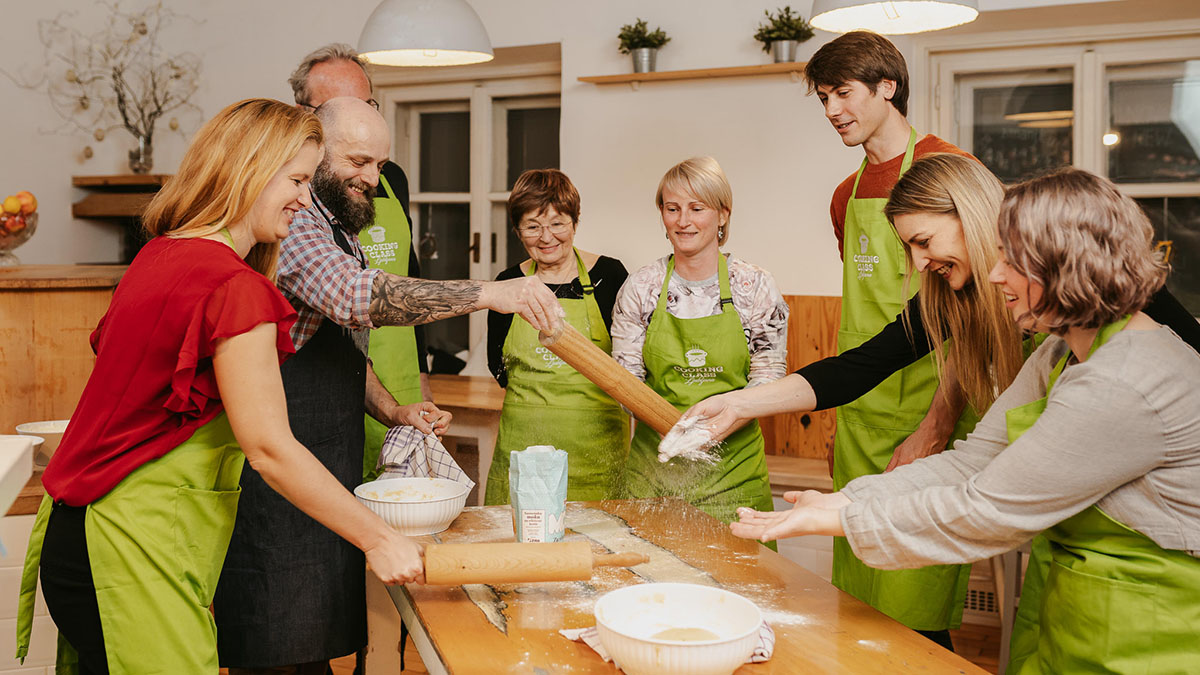
Cooking classes or workshops focused on local cuisine or ingredients have become increasingly popular in recent years. As more people are becoming conscious of the food they eat and its impact on their health, there is a growing interest in learning how to cook nutritious meals using locally sourced ingredients. These classes offer participants the opportunity to not only learn new recipes but also gain knowledge about the cultural significance of certain dishes and ingredients.
One of the key advantages of attending cooking classes centered around local cuisine is the emphasis on using fresh, seasonal produce. Locally sourced ingredients are often harvested at their peak ripeness, ensuring that they are packed with flavor and nutrients. By utilizing these ingredients, participants can create dishes that truly showcase the natural flavors of the region.
Moreover, cooking classes provide an avenue for individuals to support local farmers and producers. By purchasing locally grown or produced products, consumers contribute to sustainable agriculture practices while reducing their carbon footprint. Cooking with these ingredients not only benefits one’s own health but also supports the local economy by promoting small-scale farming and artisanal food production.
Another notable aspect of these workshops is their focus on traditional cooking techniques passed down through generations. Many cultures have unique methods of preparing food that have been honed over centuries. Attending a cooking class specializing in regional cuisine provides an opportunity to learn these time-honored techniques firsthand from experienced instructors who have mastered them.
For instance, if you attend a Tuscan cooking class in Italy, you might be taught how to make homemade pasta from scratch using traditional methods such as rolling out dough by hand or shaping it with special tools like gnocchi boards. In Southeast Asia, you may learn about stir-frying techniques or how to use spices like lemongrass and turmeric in Thai or Vietnamese cuisine.
In addition to learning specific techniques associated with regional cuisines, attendees often gain insights into cultural traditions linked to food preparation and consumption. Recipes handed down through generations carry stories within them, reflecting the history and heritage of a particular place. By participating in cooking workshops focused on local cuisine, individuals can gain a deeper appreciation for the cultural significance of food.
Furthermore, these classes offer an opportunity to explore different flavors and expand one’s culinary horizons. Local ingredients often have unique tastes that may be unfamiliar to those who are used to more standardized or globally available produce. Trying out new recipes using these ingredients can open up a world of flavors and textures that might otherwise go unexplored.
Many cooking classes also provide participants with an interactive experience by incorporating visits to local markets or farms. These excursions enable attendees to learn about ingredient selection, quality assessment, and even how to negotiate prices while shopping for produce. Such experiences not only enhance one’s understanding of local cuisine but also foster connections with local communities.
Apart from the educational aspect, attending cooking classes centered around regional cuisine can also be a social activity. Participants often work in teams or pairs, fostering collaboration and interaction among classmates. This creates an environment where people can bond over their shared love for food and cooking while exchanging tips and ideas.
For individuals looking to adopt healthier eating habits or cater to specific dietary needs, there are often specialized cooking classes available as well. These workshops focus on topics such as vegetarian or vegan cuisine, gluten-free baking, low-sodium meals, or allergy-friendly recipes.
In conclusion, attending cooking classes or workshops focused on local cuisine or ingredients offers numerous benefits beyond simply learning new recipes. Participants have the opportunity to support sustainable agriculture practices while experiencing the unique flavors of locally sourced produce. They also gain insights into traditional cooking techniques passed down through generations and learn about the cultural significance of certain dishes and ingredients.
Moreover, these workshops provide a platform for individuals to connect with their community by visiting farmers’ markets or farms alongside like-minded individuals who share their passion for good food. Whether you’re simply looking to expand your culinary repertoire or embark on a journey of healthy eating, cooking classes centered around local cuisine can be a valuable and enriching experience.

Leave a Reply