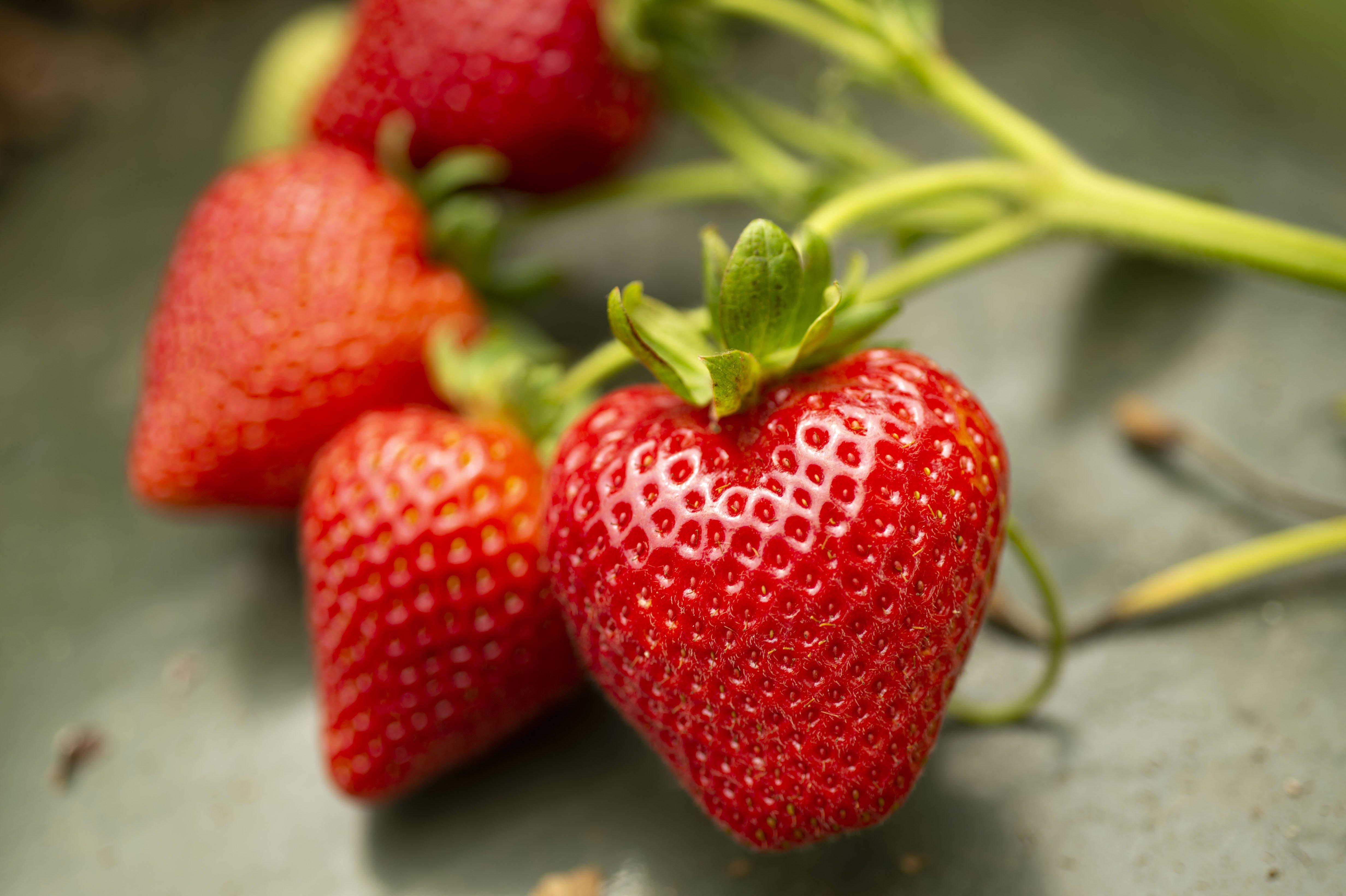
Strawberries: A Journey through History, Varieties, and Unexpected Uses
Strawberries have a rich and fascinating history that spans centuries. From their origins in the wild to the cultivated varieties we enjoy today, strawberries have captivated our taste buds and inspired various cultural traditions. In this article, we will explore the lesser-known aspects of strawberry cultivation, their unique uses beyond desserts, and their impact on art, literature, and traditional medicine.
The cultivation of strawberries can be traced back to ancient Rome. The Romans were known for enjoying wild strawberries as a delicacy. However, it wasn’t until the 18th century that large-scale cultivation began in Europe. French engineer Amédée François Frézier discovered larger varieties during his travels to Chile and brought them back to France.
Today, there are numerous strawberry varieties available worldwide. While most people are familiar with popular types like the sweet June-bearing or everbearing strawberries found at local grocery stores, there is an array of lesser-known options worth exploring. For instance, Alpine Strawberries (Fragaria vesca) bear small but intensely flavored fruits that resemble wild berries. Pineapple Strawberries (Fragaria x ananassa ‘Pineberry’) offer a surprising twist with their pineapple-like flavor profile.
While many people love strawberries for their taste and vibrant color, some individuals may experience allergies or sensitivities towards them. Allergies to strawberries are relatively common due to proteins present in the fruit triggering an immune response in susceptible individuals. Symptoms range from mild itching or hives to more severe reactions such as difficulty breathing or even anaphylaxis.
Beyond desserts and sweet treats lies a world of savory dishes where strawberries can shine unexpectedly. Their natural sweetness pairs beautifully with tangy ingredients like balsamic vinegar or goat cheese when used as toppings for salads or incorporated into salsas for grilled meats. Strawberry gazpacho offers a refreshing twist on a classic summer soup, while strawberry-infused vinaigrettes can elevate any salad.
While we often focus on the fruit itself, strawberries have another hidden gem – their leaves. Strawberry leaves are packed with nutrients, including vitamin C, iron, and antioxidants. They have traditionally been used in herbal teas to support digestion and boost immune function. Additionally, their astringent properties make them suitable for topical use in DIY beauty treatments like facial masks or hair rinses.
Strawberries are not limited to being enjoyed solely as a smoothie ingredient. The possibilities for strawberry-infused beverages are endless! From strawberry lemonade to sparkling strawberry sangria or even strawberry-infused water with fresh mint leaves – these refreshing drinks are perfect for quenching your thirst during hot summer days or special occasions.
For those interested in incorporating strawberries into their beauty routine, there is an array of products available inspired by this luscious fruit. Strawberry-inspired lip balms, face masks infused with extracts from the berries’ seeds, and even hand creams featuring the scent of ripe strawberries can add a touch of luxury to your self-care rituals.
Climate change has become a significant concern for agriculture globally. Strawberries are no exception; they require specific climate conditions for optimal growth. Rising temperatures and unpredictable weather patterns pose challenges to traditional cultivation methods. Farmers must adapt by implementing innovative techniques such as shade cloth systems or using greenhouses equipped with advanced climate control technology.
Preserving strawberries has long been practiced through methods like freezing or making jams and jellies. However, lesser-known preservation techniques offer exciting alternatives that enhance flavor profiles and extend shelf life further. Dehydrating strawberries creates delicious dried fruits ideal for snacking or adding an intense burst of flavor to baked goods.
If you’re passionate about strawberries beyond just eating them, consider incorporating them into your home decor and kitchen accessories! Strawberry-themed items bring vibrancy and cheerfulness into any space – think cute strawberry-shaped cushions, strawberry-printed aprons, or even vintage strawberry-patterned tea sets.
Strawberry festivals are celebrated around the world, showcasing the cultural significance of this beloved fruit. From the Strawberry Festival in Plant City, Florida to the La Fête de la Fraise (Strawberry Festival) in Carpentras, France, these events offer a chance to indulge in delicious treats and partake in various activities like strawberry picking contests or live music performances.
Throughout history, strawberries have held symbolic meanings in art and literature. They often represent love and passion due to their heart-like shape and vibrant red color. Artists like Henri Matisse incorporated strawberries into their still-life paintings as symbols of sensuality and desire. In literature, authors have used strawberries as metaphors for temptation or fleeting pleasures.
Superstitions and folklore surrounding strawberries add an air of mystique to their allure. In some cultures, it is believed that if you split a double strawberry with someone else without uttering a word first, you are destined to fall deeply in love with each other. Others believe that eating strawberries on St. John’s Day will grant protection against evil spirits for the rest of the year.
Beyond being a tasty treat or ingredient in desserts, strawberries have played a role in traditional medicine practices worldwide. Ancient healers utilized them for their diuretic properties or as remedies for digestive issues and skin ailments such as eczema or acne. While modern medicine does not rely solely on strawberries for treatment purposes today, they remain a valuable addition to overall health due to their high vitamin C content and antioxidant properties.
Did you know that strawberries can also be used as natural dyes? The vibrant red pigment found within these berries has been historically employed by textile artisans seeking eco-friendly alternatives to synthetic dyes. By boiling crushed strawberries with fabric fibers like cotton or silk, beautiful shades of pinkish-red can be achieved – creating one-of-a-kind garments that are both stylish and sustainable.
While cultivated strawberries have become a beloved fruit worldwide, their wild relatives should not be forgotten. Wild strawberries (Fragaria vesca) can be found in various parts of the world and offer unique flavors and textures that differ from their cultivated counterparts. Exploring these wild varieties can provide a deeper understanding of the genetic diversity within the Fragaria genus.
For those looking to celebrate special occasions with a touch of elegance, strawberry-inspired cocktails provide a delightful option. From classic favorites like strawberry daiquiris or margaritas to more sophisticated creations like strawberry basil mojitos or sparkling strawberry martinis, these drinks add a burst of flavor and color to any gathering.
The environmental impact of strawberry packaging is an issue worth considering. Traditional plastic clamshell containers used for packaging strawberries contribute significantly to plastic waste pollution. More sustainable alternatives such as compostable packaging made from plant-based materials or reusable containers should be encouraged to minimize the negative ecological consequences associated with this industry.
To address limited space for traditional gardening, growing strawberries hydroponically or in vertical gardens has gained popularity among urban dwellers. These innovative methods maximize productivity by utilizing vertical spaces while reducing water usage compared to conventional soil-based cultivation techniques.
Strawberries aren’t just for humans; they can also potentially serve as an ingredient in pet food formulations! As more pet owners seek healthy options for their furry companions, incorporating natural ingredients like strawberries into pet food provides added nutritional benefits while satisfying taste preferences.
In conclusion, strawberries transcend their role as a simple fruit; they have immersed themselves in history, culture, art, literature, medicine, and our daily lives. Delving into their journey through time reveals not only tasty treats but also unexpected uses and connections across various disciplines. So next time you enjoy a juicy bite of a ripe strawberry or sip on a refreshing strawberry-infused beverage – remember the rich tapestry behind this humble yet enchanting fruit.

Leave a Reply