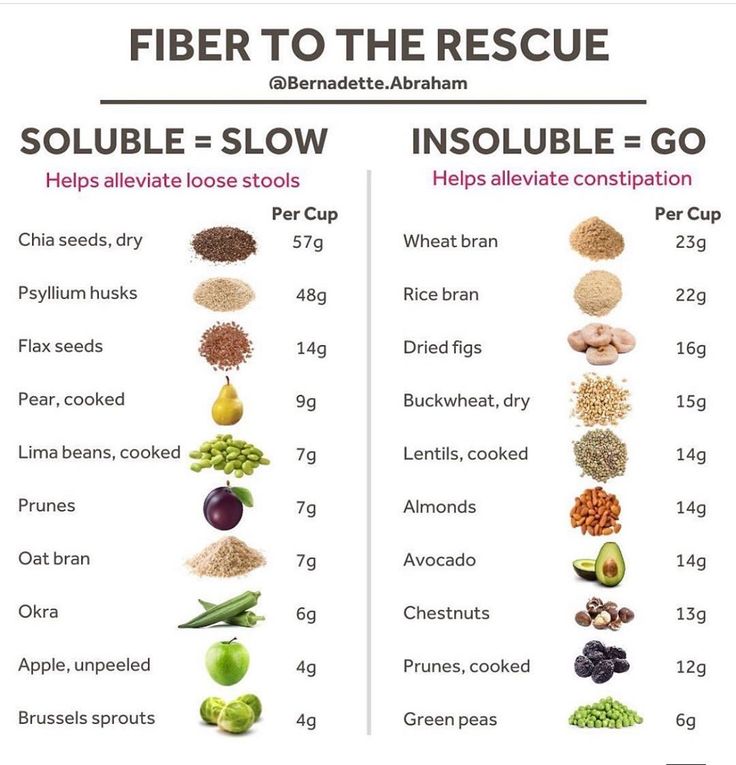
Resistant starches, inulin, fructooligosaccharides (FOS), galactooligosaccharides (GOS), xylooligosaccharides (XOS), isomaltooligosaccharides (IMOs), pectin, beta-glucans, arabinoxylans, mannan-oligosaccharides (MOS), lactulose, polydextrose, acacia gum, gum Arabic, konjac glucomannan, wheat dextrin, psyllium husk, chitosan oligosaccharides, larch arabinogalactan, agave inulin chicory root fiber burdock root Jerusalem artichoke yacon syrup green banana flour and tiger nut flour are all types of dietary fibers that offer numerous health benefits.
Resistant starches are a type of carbohydrate that resists digestion in the small intestine and reaches the large intestine intact. They act as prebiotics by promoting the growth of beneficial bacteria in the gut. Inulin is another prebiotic fiber that supports digestive health and helps regulate blood sugar levels. It can be found naturally in foods like chicory root and Jerusalem artichoke.
Fructooligosaccharides (FOS) and galactooligosaccharides (GOS) are also prebiotic fibers that provide food for beneficial gut bacteria. Xylooligosaccharides (XOS) and isomaltooligosaccharides (IMOs) have similar effects on gut health.
Pectin is a soluble fiber found in fruits like apples and oranges. It forms a gel-like substance in the intestines which slows down digestion and promotes satiety.
Beta-glucans are primarily found in oats and barley. They have been shown to reduce cholesterol levels and improve heart health.
Arabinoxylans are present in grains like wheat bran and rice bran. They have been associated with a reduced risk of cardiovascular disease and improved bowel function.
Mannan-oligosaccharides (MOS) are derived from yeast cell walls and help support a healthy immune system in animals.
Lactulose is a synthetic sugar that acts as a laxative by drawing water into the bowels, thus softening the stool.
Polydextrose is an artificially synthesized fiber often added to food products to increase their fiber content without adding significant calories or altering taste.
Acacia gum, also known as gum Arabic, is sourced from the sap of acacia trees. It has been used for centuries as a natural thickening agent and prebiotic fiber.
Konjac glucomannan comes from the root of the konjac plant and is commonly used as a dietary supplement for its ability to promote weight loss and regulate blood sugar levels.
Wheat dextrin is made from wheat starch and acts as a soluble fiber that helps regulate bowel movements.
Psyllium husk is derived from the seeds of the Plantago ovata plant. It is well-known for its ability to relieve constipation and improve overall digestive health.
Chitosan oligosaccharides are derived from chitin, which can be found in the shells of crustaceans like shrimp or crab. They have been studied for their potential cholesterol-lowering effects.
Larch arabinogalactan is sourced from larch trees and has immune-enhancing properties. It also acts as a prebiotic by stimulating beneficial gut bacteria growth.
Agave inulin, chicory root fiber, burdock root, Jerusalem artichoke, yacon syrup, green banana flour, and tiger nut flour are all natural sources of prebiotic fibers that can be incorporated into various recipes to boost fiber intake while providing additional health benefits such as improved digestion, enhanced satiety, stabilized blood sugar levels, and increased gut health.
Incorporating these diverse fibers into a balanced diet can have significant positive impacts on overall health. Whether it’s promoting digestive health, supporting immune function, or managing weight, the wide range of benefits offered by these dietary fibers makes them an essential addition to any healthy eating plan.

Leave a Reply