Tempeh, a popular fermented soybean product, has gained recognition for its numerous health benefits and versatility in the kitchen. In this case study-style post, we will explore various aspects of tempeh, from its fermentation process to its impact on gut health and cholesterol levels. We will also delve into its nutritional profile, different types of starter cultures, traditional Indonesian recipes using tempeh, and much more.
1. Tempeh Fermentation Process:
The process of making tempeh involves fermenting cooked soybeans with a specific type of mold called Rhizopus oligosporus or Rhizopus oryzae. The beans are typically soaked overnight, cooked until tender, and then mixed with the starter culture. They are left to ferment for about 24-48 hours at a warm temperature (around 30°C) until they form a cohesive cake-like structure bound by mycelium.
2. Different Types of Tempeh Starter Cultures:
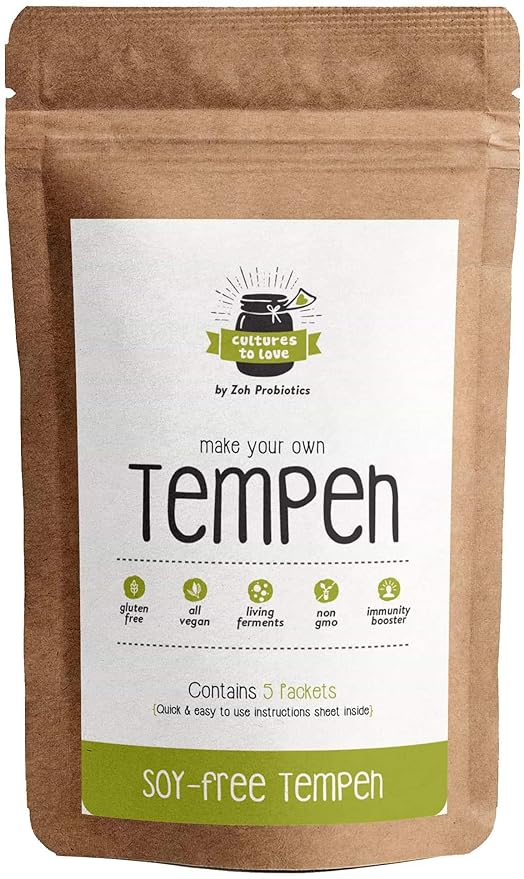
There are several types of starter cultures used in producing tempeh. Traditional ones include ragi tempe (tempe spores), which contain the desired fungus responsible for fermentation. Commercially available starter cultures can be purchased as freeze-dried spores or in powdered form.
3. Tempeh as a Source of Probiotics:
Probiotics are live microorganisms that provide health benefits when consumed in adequate amounts. Tempeh is considered a probiotic-rich food due to the presence of beneficial bacteria during fermentation. These probiotics aid in maintaining healthy gut flora and supporting digestive health.
4. Tempeh and Its Role in Gut Health:
The consumption of tempeh contributes positively to gut health due to its high fiber content and probiotic properties. The fiber acts as prebiotics that nourish beneficial bacteria in the gut while promoting regular bowel movements.
5. Tempeh’s Nutritional Profile Compared to Other Plant-Based Proteins:
Tempeh is a nutrient-dense food, rich in protein, fiber, vitamins (such as B vitamins), minerals (like iron and magnesium), and phytonutrients. When compared to other plant-based proteins like tofu or seitan, tempeh provides more fiber and has a higher protein content.
6. The History and Origins of Tempeh:
Tempeh originates from Indonesia, where it has been consumed for centuries. It was traditionally made from soybeans but can now also be prepared using other legumes such as chickpeas or black beans.
7. Traditional Indonesian Recipes Using Tempeh:
In Indonesian cuisine, tempeh is widely used in various dishes. One classic recipe is “Sambal Goreng Tempe,” which involves stir-frying tempeh with spices and chili paste. Another popular dish is “Gado-Gado,” a salad that includes blanched vegetables topped with fried or steamed tempeh cubes.
8. Tempeh as a Meat Substitute in Vegetarian and Vegan Diets:
Due to its meaty texture and umami flavor profile, tempeh serves as an excellent substitute for meat in vegetarian and vegan diets. It can be marinated, grilled, sautéed, or even crumbled into burgers or tacos.
9. Tempeh’s Versatility in Various Cuisines Around the World:
Tempeh’s versatility extends beyond Indonesian cuisine. It can be incorporated into various global dishes such as stir-fries, curries, salads, sandwiches, stews, soups – the possibilities are endless!
10. Tempeh as a Source of Essential Amino Acids:
Amino acids are the building blocks of proteins necessary for optimal bodily functions. Tempeh contains all essential amino acids required by the body but does so in slightly lower amounts than animal-based proteins.
11. Health Benefits of Consuming Tempeh Regularly:
Regular consumption of tempeh has been associated with several health benefits. These include improved digestion, reduced cholesterol levels, better blood sugar control, enhanced weight management, and lower risk of certain chronic diseases like heart disease and diabetes.
12. The Impact of Tempeh on Cholesterol Levels and Heart Health:
Studies have shown that the consumption of tempeh can help improve lipid profiles by decreasing LDL (bad) cholesterol levels while increasing HDL (good) cholesterol levels. This positive effect contributes to a healthier cardiovascular system.
13. Tempeh’s Role in Managing Blood Sugar Levels for Diabetics:
Tempeh’s high fiber content helps slow down the absorption of sugars into the bloodstream, which can be beneficial for individuals with diabetes or those at risk of developing it.
14. Allergenic Potential of Tempeh Compared to Other Soy Products:
Tempeh is generally well-tolerated even by individuals with soy allergies because the fermentation process reduces allergenic proteins present in raw soybeans. However, it is always recommended to consult a healthcare professional if you have specific food allergies or sensitivities.
15. Fermented Soy Products and Their Effect on Estrogen Levels:
Contrary to concerns about fermented soy products affecting estrogen levels, studies indicate that tempeh does not exert any estrogenic effects due to its unique fermentation process. In fact, some research suggests that fermented soy products may have protective effects against hormone-related cancers.
16. The Environmental Sustainability of Tempeh Production:
Compared to meat production, temp

Leave a Reply