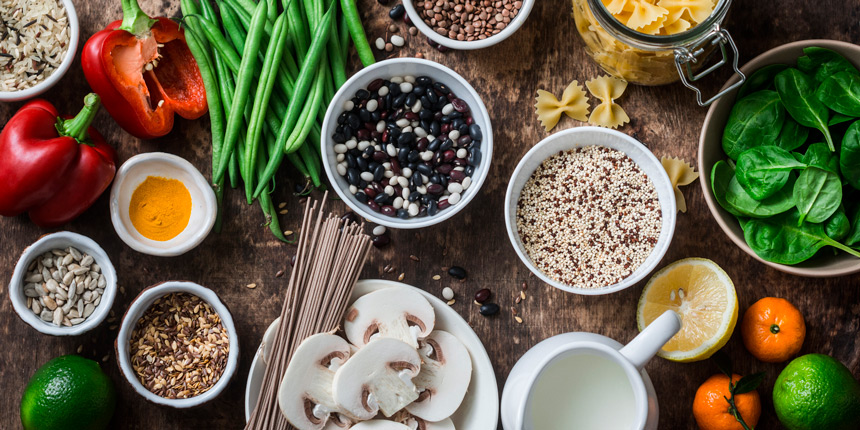
The Mediterranean diet is widely known for its health benefits and delicious flavors. It emphasizes fresh fruits and vegetables, whole grains, lean proteins, and healthy fats. While staples like olive oil, fish, and tomatoes are commonly associated with this way of eating, there are many lesser-known ingredients that play a crucial role in the Mediterranean cuisine. In this article, we will explore some of these ingredients and their importance in creating a balanced Mediterranean-inspired meal plan.
1. The Role of Legumes in the Mediterranean Diet
Legumes such as lentils, chickpeas, and beans are an essential component of the Mediterranean diet. They provide a rich source of plant-based protein, fiber, vitamins, minerals, and antioxidants. Legumes help to lower cholesterol levels due to their high soluble fiber content while also providing steady energy throughout the day.
One popular legume-based dish is hummus made from chickpeas blended with garlic, tahini (sesame paste), lemon juice, and olive oil. Hummus can be used as a dip or spread on sandwiches or wraps. Lentil soups or stews are also common in Mediterranean cuisine.
2. Lesser-Known Mediterranean Herbs and Spices
Beyond the usual suspects like oregano and basil lie many other flavorful herbs and spices used in traditional Mediterranean cooking. Some examples include za’atar (a blend of thyme, sumac berries, sesame seeds), marjoram (similar to oregano but with a milder flavor), rosemary (known for its aromatic properties), saffron (adds color and aroma to dishes), coriander seeds (used ground or whole), fennel seeds (add a subtle licorice-like flavor), and cumin (commonly used in Middle Eastern cuisine).
Incorporating these herbs and spices into your meals not only adds depth of flavor but also provides potential health benefits such as anti-inflammatory properties.
3. Incorporating Seaweed into a Mediterranean-Inspired Meal Plan
Seaweed, commonly consumed in coastal regions of the Mediterranean, is an excellent source of iodine, essential minerals, and antioxidants. It adds a unique umami flavor to dishes and can be used in various ways.
One popular Mediterranean seaweed dish is “alginate de peix,” a traditional Catalan recipe that combines fish and seaweed in a flavorful broth. Seaweed can also be added to salads or used as a wrap for sushi-style rolls filled with vegetables or seafood.
4. Exploring Traditional Mediterranean Breakfast Options
Breakfast is considered an important meal in the Mediterranean diet. While it may differ from country to country, some common options include whole grain bread topped with olive oil and tomato (known as “pan con tomate” in Spain), Greek yogurt with honey and nuts, omelets or frittatas loaded with vegetables and herbs, or even leftover dinner dishes like roasted vegetables or grilled fish.
These breakfast options provide a balance of nutrients to start your day off right while incorporating traditional flavors from the region.
5. The Benefits of Consuming Fermented Foods in a Mediterranean Diet
Fermented foods have long been part of traditional diets around the world due to their numerous health benefits. In the context of the Mediterranean diet, fermented foods such as yogurt, kefir, sauerkraut, olives (fermented before they are cured), and pickled vegetables are not only delicious but also contribute to gut health by providing beneficial probiotics.
Including these fermented foods in your meals helps support digestion and strengthens your immune system while adding tangy flavors to your dishes.
6. Unconventional Sources of Protein in Mediterranean Cuisine
While seafood plays a prominent role in the protein sources within the Mediterranean diet, there are alternative options for those who do not consume fish or meat regularly. For example:
– Quinoa: This versatile grain-like seed is a complete protein and can be used as a base for salads, pilafs, or stuffed vegetables.
– Tofu: Made from soybeans, tofu is a versatile ingredient that absorbs flavors well. It can be grilled, stir-fried, or added to soups and stews.
– Tempeh: Another soy-based product, tempeh has a nutty flavor and firm texture. It can be marinated and grilled or crumbled into dishes like chili or pasta sauces.
– Edamame: Young soybeans are packed with protein and make for a nutritious snack or addition to salads.
7. Navigating the Mediterranean Diet as a Vegetarian or Vegan
The Mediterranean diet is flexible enough to accommodate vegetarians and vegans without compromising its nutritional benefits. By focusing on plant-based proteins like legumes, tofu, tempeh, quinoa, nuts, seeds, and dairy alternatives such as almond milk or coconut yogurt if desired.
It’s important to ensure you’re getting enough nutrients such as iron (found in leafy greens), vitamin B12 (commonly found in animal products but also available in fortified foods), omega-3 fatty acids (from sources like flaxseeds or walnuts), and calcium (from fortified plant-based milks).
8. The Impact of Portion Sizes on the Effectiveness of the Mediterranean Diet
While the Mediterranean diet emphasizes healthy food choices, portion sizes also play an important role in achieving optimal health benefits. Overeating even nutrient-dense foods can lead to weight gain.
To maintain portion control while enjoying the delicious flavors of the Mediterranean cuisine:
– Fill half your plate with non-starchy vegetables like leafy greens, tomatoes, cucumbers.
– Limit portions of whole grains like bulgur wheat or brown rice to about 1/4th of your plate.
– Reserve another quarter of your plate for lean proteins such as fish, legumes, or tofu.
– Include a small serving of healthy fats like olives, olive oil, or nuts.
– Enjoy fruit for dessert instead of rich pastries or sweets.
9. Lesser-Known Varieties of Olives and Their Health Benefits
Olives are a staple in the Mediterranean diet and provide healthy monounsaturated fats. While most people are familiar with green and black olives, there is a wide variety available that differs in taste and texture.
Some lesser-known varieties include Kalamata (from Greece) known for their dark color and tangy flavor, Castelvetrano (from Italy) which are bright green with a buttery taste, Cerignola (from Italy) which are large and meaty with mild flavors, and Gaeta (from Italy) which have a wrinkled appearance and an intense flavor.
The health benefits of olives include anti-inflammatory properties due to their high content of oleocanthal. They also provide vitamin E, antioxidants, and have been associated with heart health.
10. The Use of Nuts and Seeds in Mediterranean Cooking Beyond Almonds and Sesame Seeds
Nuts and seeds play an important role in the Mediterranean diet as they provide healthy fats, protein, fiber, vitamins, minerals, antioxidants while adding crunchiness to dishes. In addition to almonds and sesame seeds commonly used throughout the region:
– Pistachios: These vibrant green nuts are not only delicious but also rich in nutrients like potassium.
– Pine nuts: With their delicate flavor profile pine nuts can be used in pestos or toasted for added texture.
– Walnuts: Known for their brain-boosting omega-3 fatty acids along with other beneficial compounds.
– Flaxseeds: High in omega-3 fatty acids as well as fiber that promotes digestive health when ground before consumption.
11. Traditional Mediterranean Desserts with Reduced Sugar Content
While it’s true that Mediterranean cuisine is not typically known for its sweet treats, there are some traditional desserts that can satisfy your cravings without excessive sugar.
– Fresh Fruit: The simplicity of enjoying ripe fruit like figs, dates, or grapes after a meal showcases the natural sweetness.
– Greek Yogurt with Honey and Nuts: Creamy yogurt paired with a drizzle of honey and sprinkling of nuts offers a balanced dessert option.
– Baklava: This delicious pastry made with layers of phyllo dough, chopped nuts, and honey syrup is an indulgence but still lower in added sugars compared to many other desserts.
12. The Importance of Whole Grains in a Balanced Mediterranean Diet
Whole grains are a significant component of the Mediterranean diet as they provide fiber, vitamins, minerals, and slow-release energy. They help maintain stable blood sugar levels while promoting heart health and digestion.
Some common whole grains found in Mediterranean cuisine include bulgur wheat (used in tabbouleh), farro (often used in salads or stews), quinoa (a versatile grain-like seed), barley (used in soups or pilafs), and whole wheat couscous.
13. Exploring Lesser-Known Seafood Options in the Context of the Mediterranean Diet
Seafood is a key protein source within the Mediterranean diet due to its omega-3 fatty acid content. While popular choices like salmon and tuna are widely consumed worldwide, there are lesser-known options that offer similar nutritional benefits:
– Anchovies: These small fish packed with omega-3 fatty acids are commonly used as flavor enhancers such as toppings on pizzas or mixed into sauces.
– Sardines: Rich in omega-3 fatty acids along with calcium, sardines can be grilled or canned for easy consumption.
– Mackerel: A flavorful fish high in omega-3s often enjoyed smoked or grilled.
14. Incorporating Wild Greens and Foraged Ingredients into Your Mediterranean-Inspired Meals
Wild greens and foraged ingredients have long been part of the Mediterranean diet, adding unique flavors and nutritional benefits. Some examples include:
– Wild Asparagus: Found in various regions, wild asparagus has a more intense flavor compared to cultivated varieties.
– Dandelion Greens: Commonly used in salads or sautéed with olive oil and garlic, dandelion greens are packed with vitamins A, C, and K.
– Purslane: This succulent green is rich in omega-3 fatty acids along with other nutrients like potassium.
Foraging for these ingredients can be an exciting way to connect with nature while adding diversity to your meals.
15. Understanding the Role of Dairy Products in the Traditional Mediterranean Diet
While dairy products are not consumed in large quantities within the traditional Mediterranean diet, they still play a role. Greek yogurt is widely enjoyed due to its high protein content and probiotic properties that aid digestion. Feta cheese is also commonly used as a topping or ingredient in salads or savory dishes. However, it’s important to choose high-quality dairy products and consume them in moderation.
16. Alternative Sources of Healthy Fats Beyond Olive Oil in a Mediterranean Eating Plan
Olive oil is undoubtedly one of the cornerstones of the Mediterranean diet due to its heart-healthy fats and anti-inflammatory properties. However, there are other sources of healthy fats that can be incorporated into this eating plan:
– Avocado: Rich in monounsaturated fats along with vitamins and minerals.
– Nuts & Seeds: Almonds, walnuts, pistachios, flaxseeds—these provide both healthy fats while offering additional nutrients.
– Olives: Aside from their culinary versatility olives offer beneficial monounsaturated fats similar to those found in olive oil.
By including these alternative sources of healthy fats alongside olive oil you enhance variety while maintaining balance within your meals.
17. Adapting the Principles of the Mediterranean Diet to Suit Different Cultural Cuisines
The principles of the Mediterranean diet can be adapted to suit different cultural cuisines, allowing individuals from various backgrounds to enjoy its health benefits while staying true to their culinary heritage.
For example, if you prefer Asian flavors, incorporate elements like ginger, garlic, soy sauce (low sodium), and fish sauce into your dishes. If you lean towards Latin American cuisine, include ingredients like cilantro, lime juice, chili peppers (for a kick of heat), and avocado as healthy fat source.
18. The Impact of Food Preservation Techniques on Traditional Mediterranean Dishes
Traditional food preservation techniques such as drying, fermenting, pickling or curing have been used for centuries in Mediterranean countries. These methods not only prolong shelf life but also enhance flavors and provide unique taste profiles.
Examples include sun-dried tomatoes, cured olives (fermented before curing), pickled vegetables like cucumbers or artichokes preserved in vinegar and herbs. Incorporating these preserved ingredients into your meals adds depth of flavor while honoring tradition.
19. Lesser-Known Fermented Beverages Consumed in Mediterranean Countries
Fermented beverages are an integral part of traditional diets in many Mediterranean countries. Some examples include:
– Kombucha: A fermented tea beverage known for its probiotic properties.
– Ayran: A refreshing yogurt-based drink popular in Turkey made by mixing yogurt with water and salt.
– Rakı: An anise-flavored alcoholic beverage enjoyed in Turkey typically mixed with water.
– Vermouth: A fortified wine infused with botanicals often consumed as an aperitif or cocktail ingredient.
20. Exploring Ancient Grains and Their Place within a Modern-Day Mediterranean Eating Pattern
Ancient grains offer unique nutritional profiles along with their rich history within the Mediterranean region. Some examples include:
– Kamut: An ancient wheat grain that is higher in protein compared to modern wheat varieties.
– Farro: A type of wheat often used in salads, soups, or pilafs with a nutty flavor and chewy texture.
– Amaranth: Packed with protein and minerals, amaranth is gluten-free and can be used as a porridge or added to baked goods.
These ancient grains provide an alternative to modern wheat or rice while offering their distinct flavors and textures.
In conclusion, the Mediterranean diet is not limited to a few well-known ingredients. Exploring lesser-known components such as legumes, herbs, seaweed, wild greens, fermented foods, nuts & seeds beyond almonds and sesame seeds, traditional desserts with reduced sugar content provides an opportunity for culinary creativity while reaping the health benefits associated with this eating pattern. By incorporating these diverse elements into your meals you can embrace the richness of Mediterranean cuisine and enjoy a well-rounded approach to healthy eating.

Leave a Reply