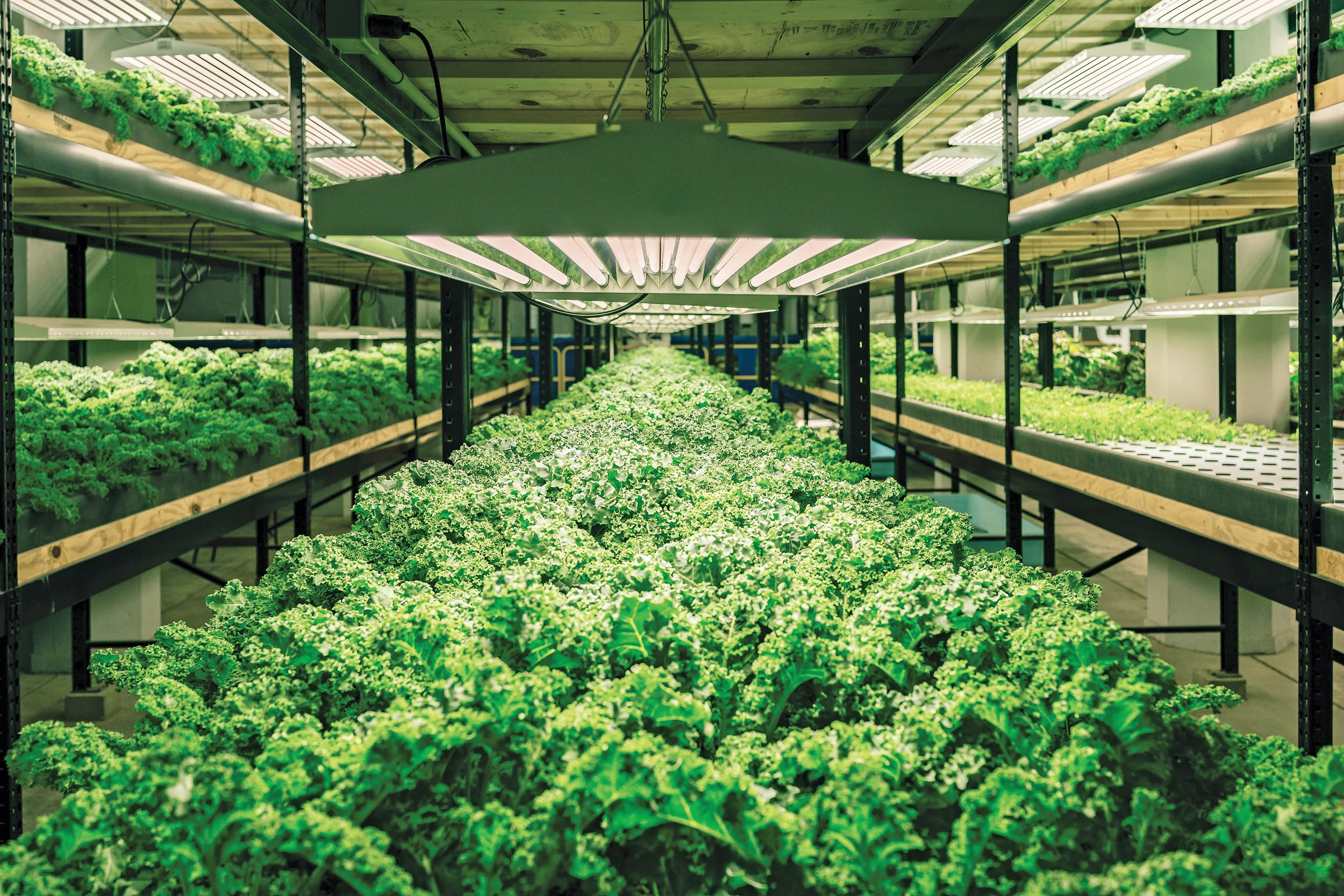
Aquaponics and Hydroponics: A Guide to Sustainable Farming
Q: What is aquaponics?
A: Aquaponics is a sustainable farming method that combines aquaculture (the cultivation of aquatic animals) with hydroponics (the cultivation of plants in water). It creates a mutually beneficial system where fish waste provides nutrients for the plants, while the plants filter and purify the water for the fish.
Q: How does aquaponics work?
A: In an aquaponic system, fish are raised in tanks or ponds. The waste produced by the fish contains ammonia, which can be toxic if it accumulates. However, in this system, bacteria convert ammonia into nitrites and then nitrates – essential nutrients for plant growth. Water containing these nitrates is pumped into grow beds where plants are cultivated using a soilless medium like clay pebbles or gravel. As the plants absorb nutrients from the water, they help cleanse it before it flows back to the fish tank.
Q: What are some advantages of aquaponics?
A: Aquaponics offers several benefits compared to traditional farming methods. Firstly, it uses 90% less water than conventional agriculture because water is recirculated continuously within the closed-loop system instead of being lost through evaporation or runoff. Secondly, there’s no need for synthetic fertilizers as nutrient-rich fish waste serves as a natural fertilizer. Additionally, since pesticides aren’t required in this controlled environment, produce grown via aquaponics tends to be organic and free from harmful chemicals.
Q: How about hydroponics? How does it differ from aquaponics?
A: Hydroponic systems focus solely on growing plants without soil by providing them with nutrient-rich solutions directly through their root systems. Unlike aquaponic systems that rely on fish waste for nutrients, hydroponic systems use mineral nutrient solutions created specifically for plant growth. While both methods conserve water and are soilless, hydroponics doesn’t involve raising fish or other aquatic animals.
Q: What are the advantages of hydroponics?
A: Hydroponics offers several advantages. Firstly, plants grown in a hydroponic system typically grow faster than those grown conventionally due to easier access to essential nutrients. Secondly, pests and diseases often associated with traditional farming can be minimized or eliminated altogether in a controlled environment. Lastly, since plants have direct access to nutrients, they can focus their energy on growth rather than root development.
In conclusion, both aquaponics and hydroponics offer sustainable alternatives to traditional farming methods. Whether you prefer the symbiotic relationship between fish and plants in an aquaponic system or the nutrient-focused approach of hydroponics depends on your specific goals and resources available. Regardless of which method you choose, these innovative systems provide opportunities for year-round cultivation of fresh produce while conserving water and reducing environmental impact.

Leave a Reply