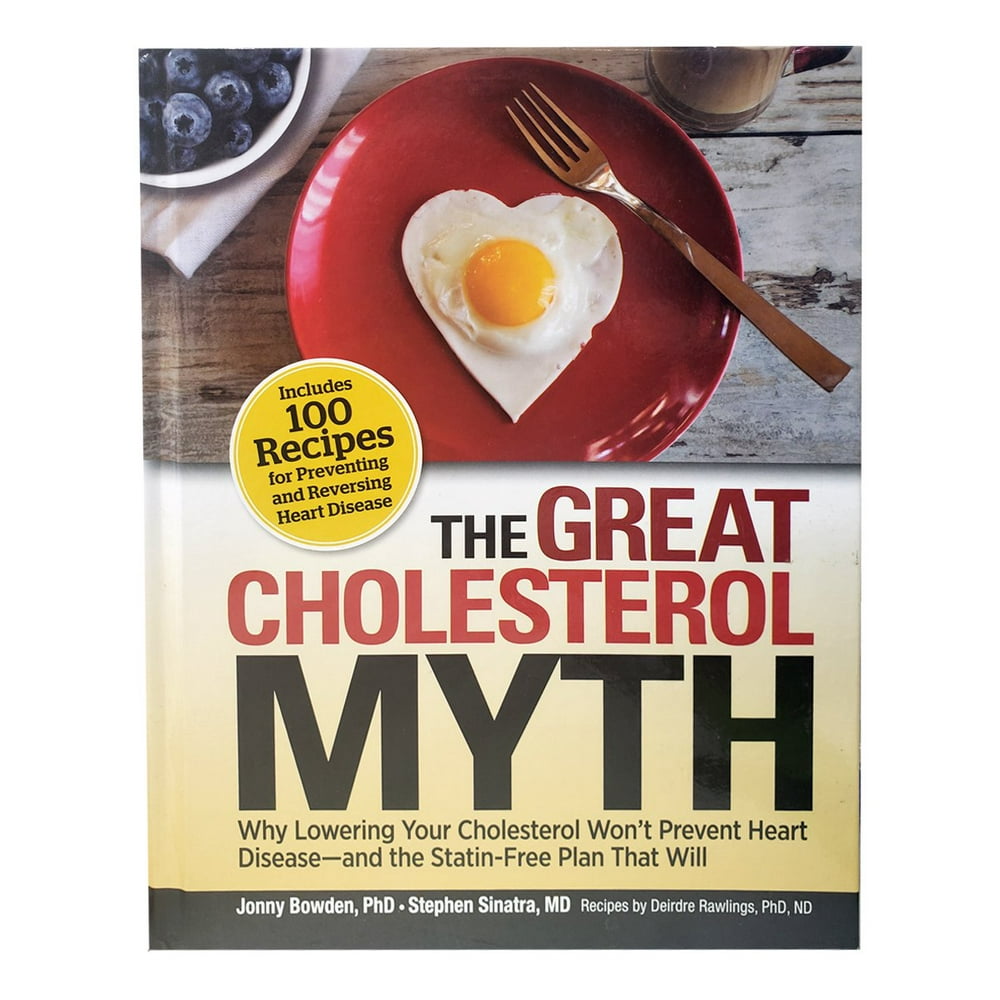
Probiotics and Cholesterol: Debunking the Myth
In recent years, probiotics have gained immense popularity as a health supplement. These live bacteria and yeasts are believed to promote digestive health and boost the immune system. However, another claim has been making the rounds – that probiotics can lower cholesterol levels. But before you start loading up on yogurt and kefir, let’s take a closer look at this claim.
Firstly, it’s important to understand what cholesterol is and how it affects our bodies. Cholesterol is a waxy substance found in our bloodstream, which we need for various bodily functions like producing hormones and building cell membranes. However, too much of the wrong type of cholesterol can lead to health issues such as heart disease.
Now here comes the million-dollar question – do probiotics actually help reduce cholesterol levels? Well, despite some studies suggesting a positive link between certain strains of probiotics and lowered cholesterol, the evidence remains inconclusive at best. Many factors contribute to your overall cholesterol levels such as age, diet, genetics, exercise habits, and even stress levels.
One study published in The American Journal of Clinical Nutrition showed that consuming fermented milk products containing specific strains of Lactobacillus could modestly reduce LDL (bad) cholesterol levels by about 5%. While this might seem promising initially, it’s essential to note that this reduction alone isn’t sufficient for significant improvement or replacement of conventional treatments if needed.
Furthermore, research conducted on different strains of probiotics has produced varying results. Some studies have shown no effect on cholesterol levels whatsoever while others indicate a slight decrease in LDL or total cholesterol after consuming certain types of probiotics regularly. It seems that individual responses to these supplements may vary greatly.
It’s also worth mentioning that there are other proven methods available for managing healthy cholesterol levels – such as adopting a balanced diet low in saturated fats and high in fiber-rich foods like fruits, vegetables, and whole grains. Regular exercise, maintaining a healthy weight, and avoiding smoking are also crucial components of a heart-healthy lifestyle.
In conclusion, while probiotics may have numerous health benefits for digestion and immunity, their role in lowering cholesterol remains uncertain. It’s always wise to consult with your healthcare provider before making any significant changes to your diet or starting new supplements.
Remember that no single food or supplement can magically cure all ailments. Optimal health is achieved through an overall balanced lifestyle encompassing good nutrition, regular exercise, stress management, and adequate sleep. So enjoy your yogurt for its probiotic goodness but don’t rely solely on it to work wonders on your cholesterol levels – there’s much more to the puzzle than that!

Leave a Reply