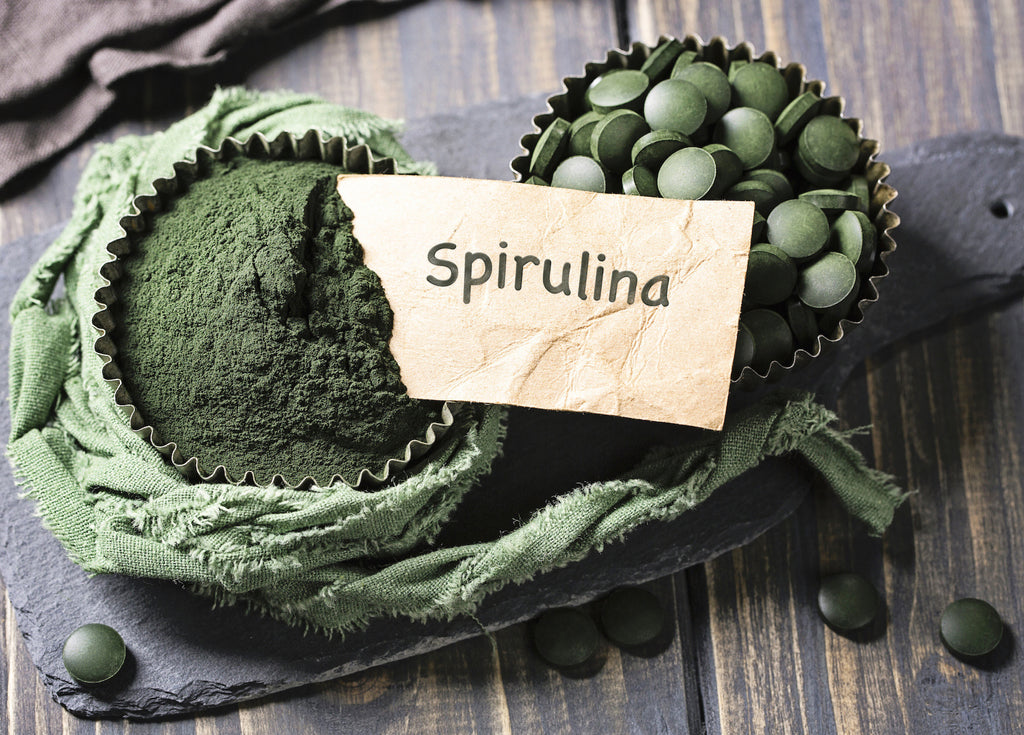
Panel Discussion: Spirulina for Managing Diabetes
Introduction:
Welcome to our panel discussion on the topic of spirulina and its potential benefits for managing diabetes. Today, we have gathered a group of experts who will share their insights and knowledge regarding this superfood and its impact on blood sugar control. Our distinguished panel includes Dr. Sarah Thompson, an endocrinologist specializing in diabetes management; Dr. Michael Greenfield, a nutritionist with expertise in plant-based diets; and Mr. John Anderson, a diabetic patient who has successfully incorporated spirulina into his daily routine.
Moderator: To start things off, let’s address the basics. What exactly is spirulina?
Dr. Thompson: Spirulina is a type of blue-green algae that grows naturally in freshwater lakes and ponds. It has gained popularity as a dietary supplement due to its high protein content and abundance of essential nutrients like vitamins, minerals, antioxidants, and polyphenols.
Dr. Greenfield: Yes, exactly! One key aspect of spirulina that makes it interesting for diabetics is its low glycemic index (GI). The GI measures how quickly carbohydrates are digested and converted into glucose within the body—spirulina’s low GI suggests it may not cause significant spikes in blood sugar levels.
John Anderson: As someone living with diabetes for over ten years now, I can attest to the positive effects that incorporating spirulina into my diet has had on my blood sugar control.
Moderator: That’s great to hear! Could you elaborate on how you incorporate spirulina into your daily routine?
John Anderson: Certainly! I usually take one teaspoon or about 3 grams of powdered spirulina mixed with water or added to smoothies every morning before breakfast. I find it helps me feel more energized throughout the day while keeping my blood sugar levels stable.
Dr. Thompson: It’s important to note that individual responses to spirulina can vary, so it’s always advisable to consult with a healthcare professional before making any changes to your diabetes management plan.
Moderator: Absolutely. Dr. Thompson, are there any scientific studies that support the potential benefits of spirulina for managing diabetes?
Dr. Thompson: Yes, several studies have explored this topic. For instance, a study published in the Journal of Medicinal Food found that spirulina supplementation led to improved blood glucose levels and increased insulin sensitivity in diabetic rats.
Dr. Greenfield: In another study conducted on humans with type 2 diabetes, participants who consumed spirulina daily experienced reductions in fasting blood sugar levels and improvements in lipid profiles compared to those who did not consume spirulina.
Moderator: Those findings sound promising! Can you explain how spirulina might impact blood sugar regulation?
Dr. Thompson: Spirulina contains an active compound called phycocyanin, which has been shown to possess antioxidant and anti-inflammatory properties. These properties may help protect pancreatic cells responsible for producing insulin from damage caused by oxidative stress—a contributing factor in the development of diabetes complications.
Dr. Greenfield: Additionally, research suggests that certain compounds found in spirulina may enhance insulin sensitivity and improve glucose uptake by cells—both critical factors for maintaining stable blood sugar levels.
Moderator: Fascinating! Are there any potential side effects or risks associated with consuming spirulina?
Dr. Thompson: While considered safe for most people when taken as recommended, some individuals may experience mild gastrointestinal symptoms such as diarrhea or stomach cramps initially due to its high protein content or detoxifying effect on the body.
John Anderson: Personally, I haven’t experienced any adverse effects after incorporating spirulina into my diet; however, it’s crucial to start with small doses and gradually increase intake while monitoring how your body responds.
Moderator: Thank you all for sharing such valuable insights! Before we conclude, do any of you have any final thoughts on spirulina for managing diabetes?
Dr. Greenfield: I would like to emphasize the importance of a well-rounded approach to diabetes management. While spirulina shows promise, it should not replace other essential aspects such as medication adherence, regular exercise, and a balanced diet.
John Anderson: Absolutely! Spirulina has become an integral part of my overall diabetes management plan, but it’s crucial to remember that what works for one person may not work for another. It’s always best to consult with healthcare professionals who can provide personalized advice based on individual needs and circumstances.
Dr. Thompson: Well said! Spirulina is a fascinating superfood with potential benefits for diabetics; however, more research is needed to fully understand its mechanisms and long-term effects.
Moderator: Thank you all for your valuable contributions. This panel discussion has shed light on the potential role of spirulina in managing diabetes and provided useful insights for our readers. Remember, before making any changes to your treatment plan or adding supplements like spirulina into your routine, consult with healthcare professionals who can guide you based on your specific health needs.
Conclusion:
In this panel discussion, we explored the topic of using spirulina as a dietary supplement for managing diabetes. Our experts highlighted studies suggesting that spirulina may improve blood glucose levels, increase insulin sensitivity, and offer antioxidant protection against complications associated with diabetes. However, it is important to note that individual responses may vary and consulting healthcare professionals remains essential in developing personalized strategies tailored to each individual’s needs and circumstances.

Leave a Reply