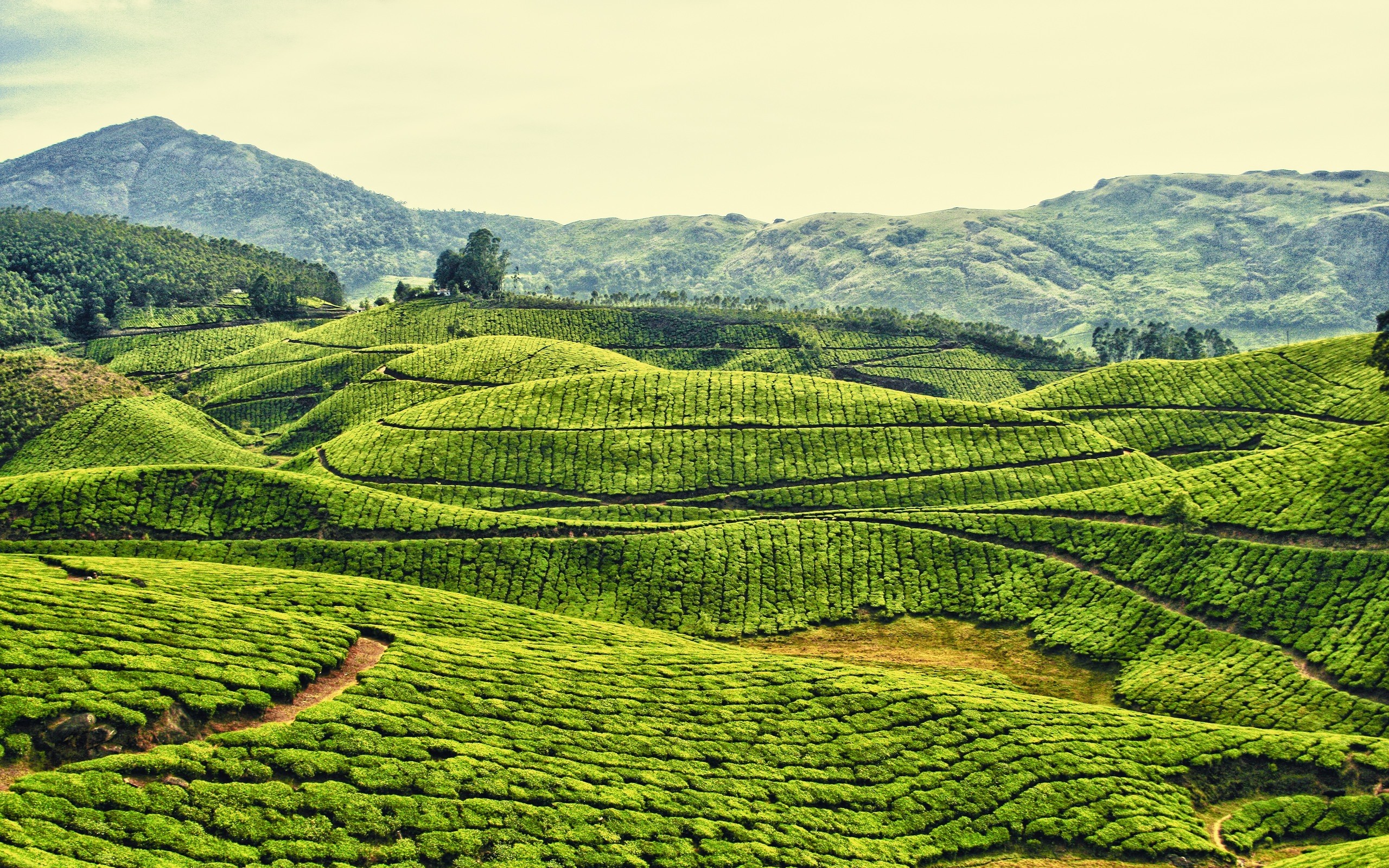
When it comes to healthy beverages, tea is often the go-to choice for many people. With its numerous health benefits and soothing qualities, it’s no wonder that tea consumption has been on the rise in recent years. But have you ever wondered where your tea actually comes from? Enter, the magical world of tea plantations.
Tea plantations are sprawling estates dedicated to growing and harvesting tea leaves. These lush green landscapes can be found in various parts of the world, with some of the most famous ones located in countries like India, China, Sri Lanka, and Kenya. From rolling hills to terraced fields, these plantations provide a stunning backdrop for both nature enthusiasts and tea lovers alike.
The process of cultivating tea begins with carefully selecting the right variety of Camellia sinensis plants—the same family from which all true teas are derived. Once planted, these young saplings require adequate sunlight and rainfall to thrive. Tea bushes usually take around three years to mature before they can be harvested for their leaves.
Unlike other crops that undergo mechanical harvesting methods, plucking tea leaves is predominantly done by hand. Skilled workers traverse through rows upon rows of meticulously maintained shrubs, carefully selecting only the freshest and finest leaves. This labor-intensive process ensures that only top-quality leaves make it into your cuppa.
After being handpicked, the freshly plucked leaves undergo a series of processes known as oxidation or fermentation (depending on what type of tea is being produced). These processes involve exposing the leaves to air under controlled conditions until they reach their desired level of flavor and aroma development.
Once processed, packaged, and shipped worldwide for our consumption pleasure – voila! – we get to enjoy a steaming cup of flavorful goodness every morning or whenever we crave that comforting warmth in our hands.
But aside from providing us with delightful sips throughout our day-to-day lives, these enchanting plantations also contribute positively to local economies by creating employment opportunities for the surrounding communities. They serve as a source of pride and cultural heritage, showcasing the rich history and traditions associated with tea production.
So, next time you sip on your favorite cup of tea, take a moment to appreciate the journey it took from those picturesque plantations to your kitchen. Let’s raise our mugs in gratitude to these humble leaves that bring us joy, relaxation, and a whole lot of healthy sipping!

Leave a Reply